Lepidolite
Phyllosilicate (Mica group)
Lilac, pink, purple, rose-red, violet-gray, yellowish, white, colorless
Vitreous to pearly
2.5 - 3
2.8 - 2.9
Monoclinic
Brazil, Russia, USA, Canada, Madagascar, Zimbabwe
Common; gem-quality material moderately rare
K(Li,Al)₃(Al,Si,Rb)₄O₁₀(F,OH)₂
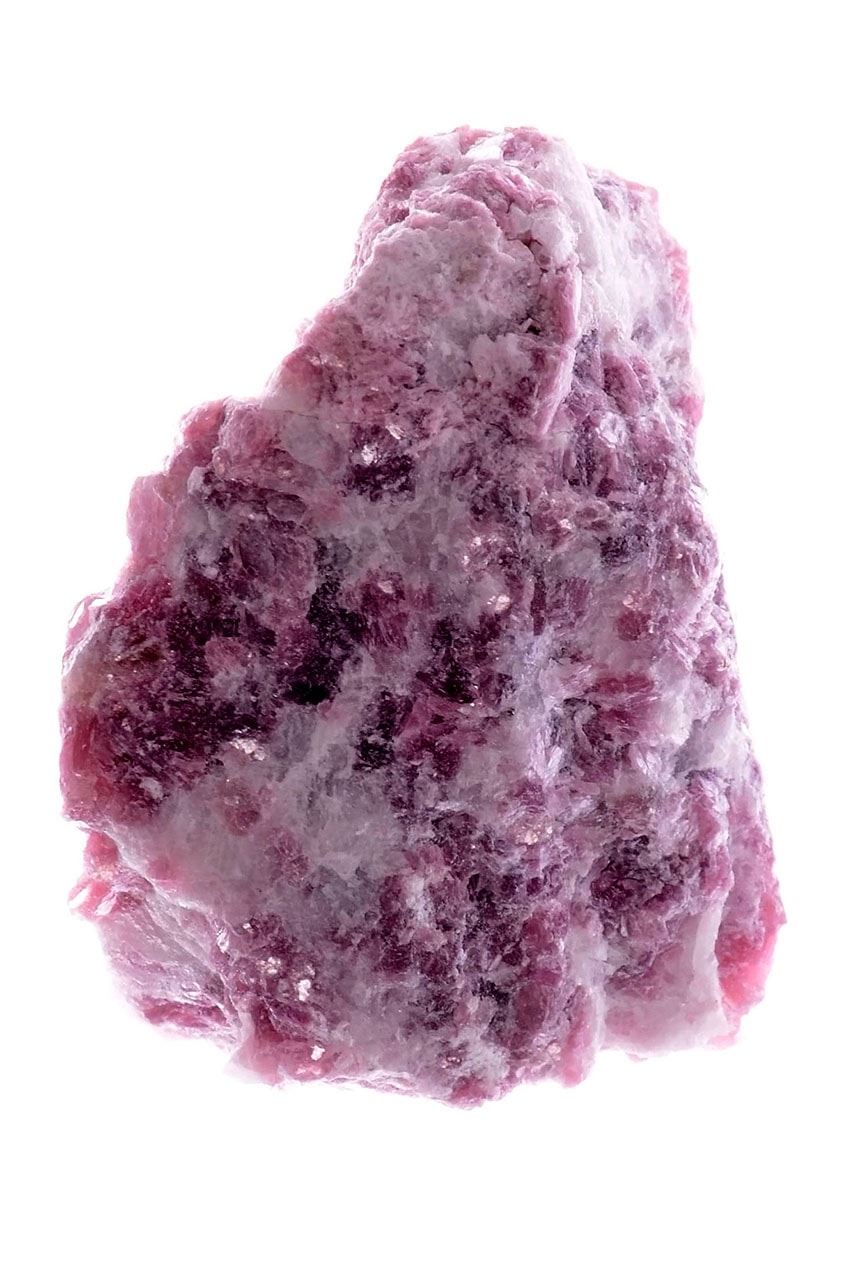
In 1792, German chemist Martin Heinrich Klaproth named a peculiar lilac-colored mica "lepidolite" from the Greek words for "scale stone," capturing both its flaky texture and its tendency to form in layered masses. What he couldn't have known was that he'd identified one of Earth's primary lithium-bearing minerals—a stone that would later prove crucial to everything from mood-stabilizing medications to electric vehicle batteries.
Lepidolite occupies a unique position in the mineral kingdom as the most common lithium-bearing mica, forming in the final stages of granite pegmatite crystallization when lithium concentrations reach their peak. Its delicate purple hues, caused by trace amounts of manganese, made it a curiosity in mineral collections long before its lithium content was understood or valued.
From the vast pegmatites of Brazil's Minas Gerais to the legendary deposits of California's Stewart Mine, lepidolite tells the story of Earth's most evolved granitic systems. It forms only under specific conditions—high lithium concentration, fluorine-rich environments, and the final cooling stages of pegmatitic intrusions. This selectivity makes lepidolite a reliable indicator of rare-element pegmatites that might also host tourmaline, spodumene, and other lithium minerals.
Today, lepidolite bridges the industrial and metaphysical worlds. While mining companies extract it for lithium production, crystal healers call it the "peace stone" or "grandmother stone," valuing its reputed calming and nurturing properties. This duality—industrial commodity and spiritual ally—makes lepidolite one of the more intriguing minerals in our modern world.
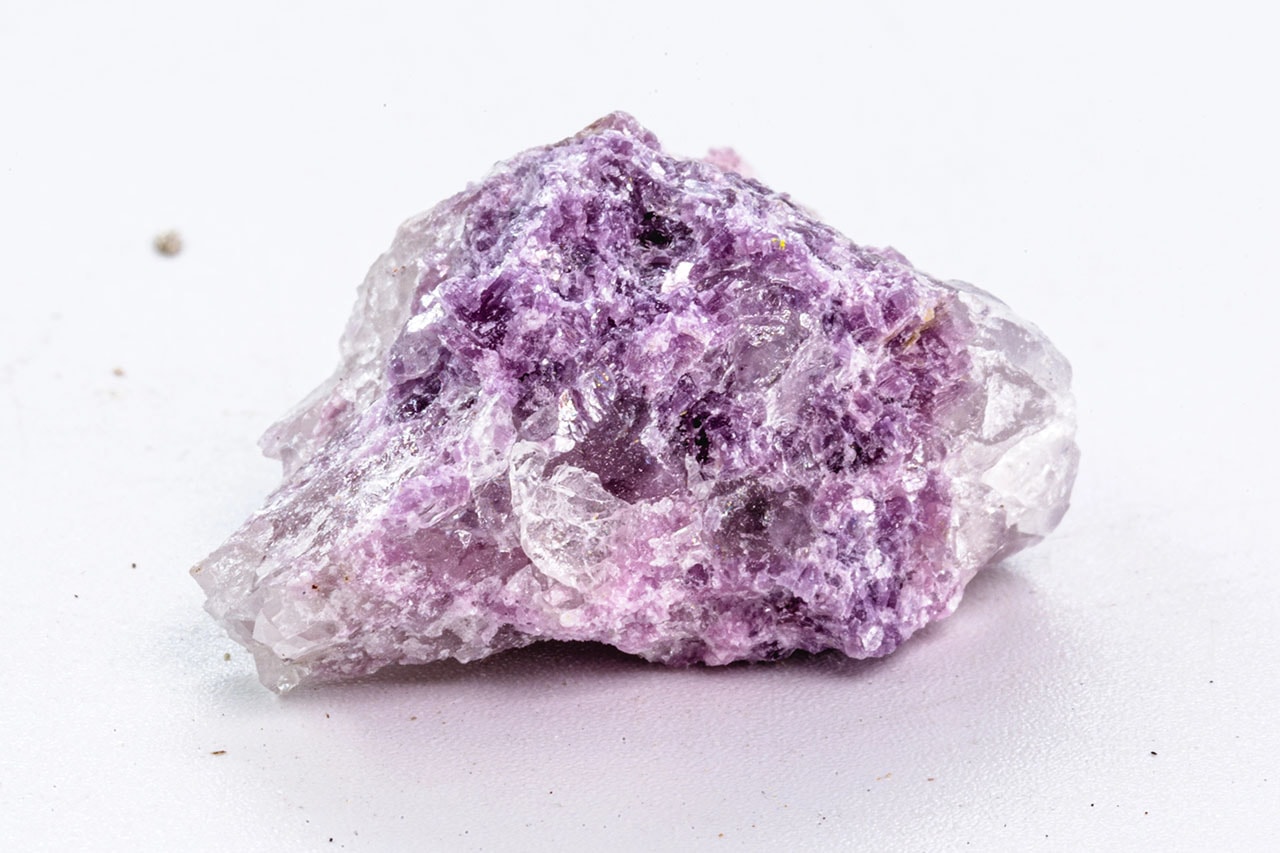
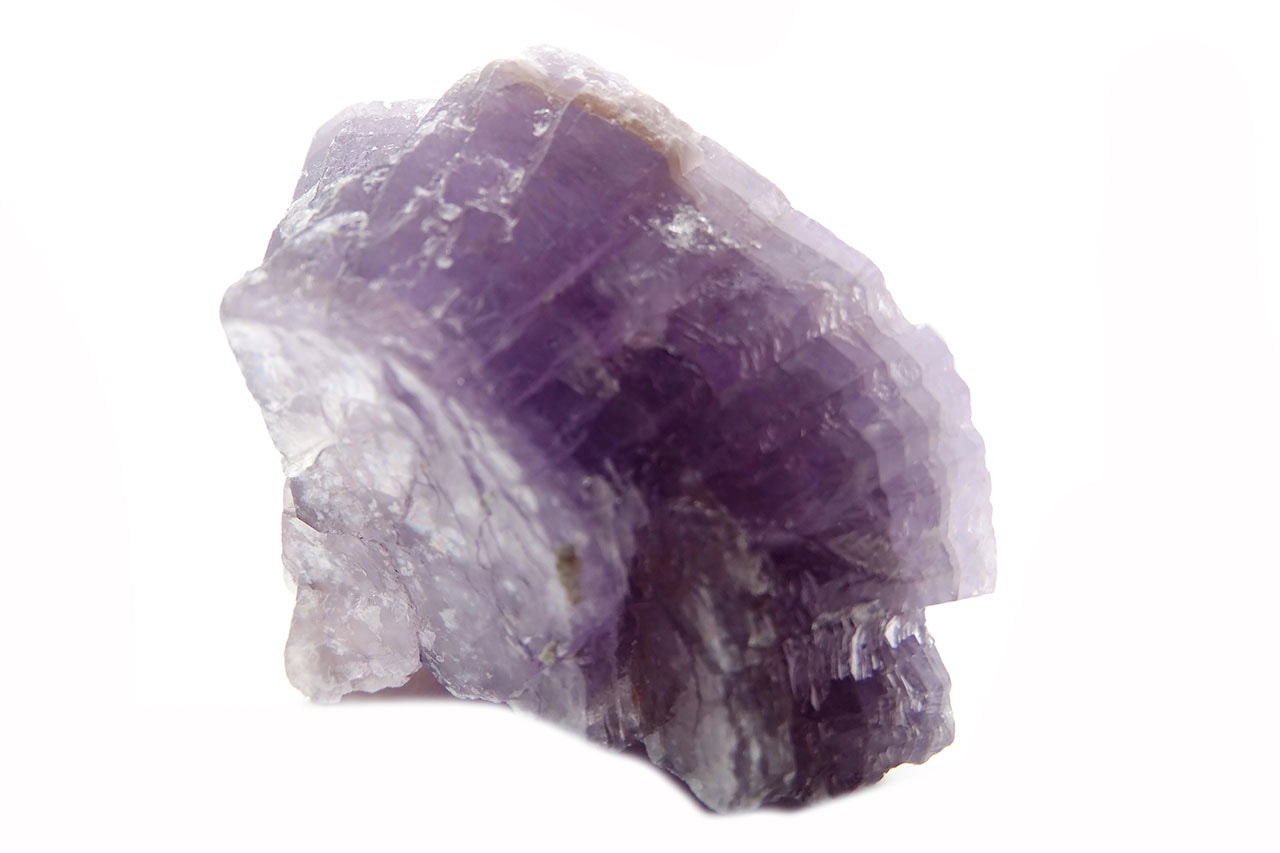
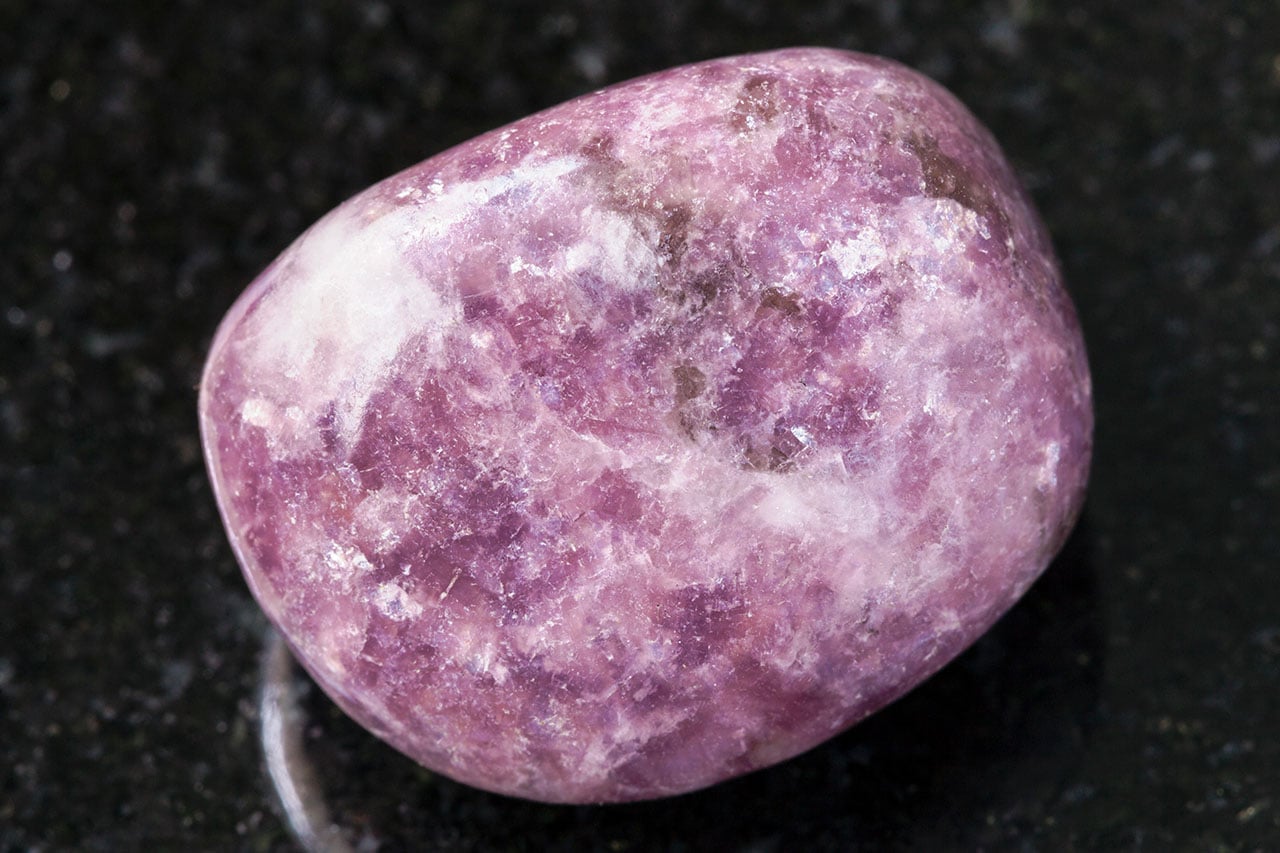
TABLE OF CONTENTS
Properties & Qualities
Physical Properties
Lepidolite reveals itself through a distinctive combination of color and texture that makes it nearly unmistakable among the micas. The classic lilac to purple coloration ranges from pale lavender barely distinguishable from muscovite to deep violet that rivals amethyst. Some specimens show pink or rose-red hues, while others appear almost gray with just a hint of purple undertone.
The mineral's micaceous nature defines its physical character. It forms in books of thin, flexible sheets that can be peeled apart with a fingernail, each layer catching light with a pearly shimmer. In massive form, lepidolite creates dense aggregates of tiny scales that sparkle like purple snow when turned in the light. This fine-grained variety, sometimes called "purple jade" when compact enough for carving, lacks the obvious sheet structure but maintains the characteristic luster.
Under magnification, lepidolite often reveals a complex intergrowth with other minerals. White streaks of albite feldspar commonly thread through purple masses, while tiny tourmaline crystals might punctuate the mica books. Some specimens show color zoning, with purple cores fading to nearly colorless edges, mapping the changing chemistry during crystallization.
The mineral's softness makes it challenging to work with but contributes to its distinctive feel. Lepidolite has an almost soapy texture when touched, and its perfect basal cleavage means it constantly sheds tiny flakes. This property led to its historical use as a lubricant in high-temperature applications before synthetic alternatives became available.
Temperature affects lepidolite's stability. When heated above 850°C, it begins to break down, releasing its lithium content—a property exploited in industrial processing. The mineral also shows weak pleochroism, appearing slightly different shades when viewed from different angles, though this effect is subtle compared to other micas.
Metaphysical properties
Within metaphysical traditions, lepidolite has earned recognition as the premier stone for emotional balance and stress relief. Its lithium content creates an interesting parallel with lithium's use in mood-stabilizing medications, leading many practitioners to view lepidolite as nature's own anti-anxiety remedy. This connection between geological and pharmaceutical properties gives lepidolite unique credibility among healing stones.
The stone's primary resonance occurs with the heart, throat, and crown chakras, creating what energy workers describe as an "emotional elevator" that lifts heavy feelings while maintaining grounding. Unlike high-vibration stones that can destabilize sensitive individuals, lepidolite's energy feels inherently balancing, making it safe for those new to crystal work or experiencing emotional volatility.
Different varieties carry subtle energetic variations. Deep purple lepidolite allegedly works more strongly with the crown chakra and spiritual connection, while pink varieties resonate more with the heart chakra and emotional healing. The massive "purple jade" form is said to provide more grounding than the flaky crystalline variety, making it preferred for those who feel too "floaty" during spiritual work.
Ancient uses of lepidolite are difficult to trace, as it was often confused with other purple minerals. However, contemporary practitioners have developed extensive protocols for working with what they consider one of the most important stones for navigating modern life's stresses. The mineral's ability to form in the final stages of pegmatite crystallization is seen as symbolic of its role in helping complete emotional and spiritual processes.
Many energy workers describe lepidolite as having a "grandmother energy"—wise, nurturing, and unconditionally accepting. This quality makes it particularly valued for inner child work and healing family-of-origin wounds.
Meaning & Symbolism
Physical meaning
In physical symbolism, lepidolite represents the principle of gentle transformation and the integration of opposing forces. Its formation in pegmatites—where extreme conditions create extraordinary minerals—mirrors the human capacity to transform pressure into beauty. The presence of lithium, the lightest metal, in a stone format represents the marriage of lightness and density, flexibility and structure.
The mineral's layered structure symbolizes the many levels of physical experience and the importance of addressing health layer by layer rather than seeking quick fixes. Just as lepidolite's sheets can be carefully separated, physical healing often requires patient peeling away of accumulated patterns and tensions.
Its association with the nervous system stems from both its lithium content and its calming appearance. The soft purple color and gentle shimmer create a visual experience that many find immediately soothing, suggesting the body-mind connection in healing. Some practitioners view lepidolite as supporting the body's electrical systems, helping to smooth erratic nerve impulses.
The stone's tendency to shed small flakes has been interpreted as representing the body's need to release what no longer serves—dead cells, metabolic waste, or energetic residue from stress. This constant gentle shedding mirrors healthy biological processes of renewal and release.
Athletes and performers sometimes work with lepidolite for what they describe as "relaxed readiness"—the ability to remain calm while prepared for action. This state, similar to what sports psychology calls optimal arousal, allegedly becomes more accessible with lepidolite's support.
Spiritual meaning
Lepidolite's spiritual significance centers on its role as a stone of transition and trust in divine timing. Its formation in the final stages of pegmatite crystallization symbolizes spiritual completion and the integration of life lessons. Many practitioners view it as helping souls complete karmic cycles and prepare for new levels of spiritual evolution.
The mineral's lithium content creates interesting spiritual interpretations. As lithium is used to stabilize mood swings in bipolar disorder, lepidolite is seen as stabilizing the spiritual "mood swings" between ego and spirit, helping maintain centered awareness during the often turbulent awakening process.
In contemporary spirituality, lepidolite addresses what teachers call "ascension anxiety"—the fear and resistance that can accompany spiritual growth. Its gentle energy allegedly helps souls trust the process of transformation, knowing that just as lepidolite formed through intense geological processes, spiritual pressure can create beautiful outcomes.
The stone's association with the crown chakra combined with its grounding properties makes it valuable for what some describe as "practical mysticism"—maintaining spiritual connection while fulfilling earthly responsibilities. This quality has made lepidolite popular among those seeking to integrate spiritual insights into daily life.
Different spiritual traditions emphasize various aspects. Some view the purple color as connecting to the violet flame of transmutation, helping transform negative patterns into wisdom. Others focus on its mica structure as representing the veils between dimensions, with lepidolite helping to gently part these veils without overwhelming the seeker.
Healing Benefits
Physical healing
Traditional healing applications of lepidolite should be understood as energetic and folk practices rather than medical treatments. Crystal healers often focus on lepidolite's resonance with the nervous system, using it in layouts designed to calm anxiety, reduce insomnia, and support those dealing with stress-related conditions.
The stone's lithium content has created natural associations with mood disorders, though it's crucial to note that lepidolite cannot replace medical lithium treatment. Some practitioners place lepidolite on the forehead or crown during sessions aimed at balancing brain chemistry energetically. Users often report feeling calmer and more centered, though these effects likely stem from placebo response and the relaxation induced by crystal healing sessions.
Historical texts mention lepidolite being used for "shaking palsy" and "nervous exhaustion," conditions we might now recognize as tremors or chronic fatigue. Contemporary energy healers sometimes use lepidolite in layouts for similar issues, claiming it helps stabilize erratic energy patterns in the body.
Some alternative practitioners use lepidolite for electromagnetic sensitivity, claiming its lithium content helps the body maintain electrical balance in high-EMF environments. While scientifically unproven, some users report feeling less affected by electronic devices when carrying lepidolite.
The mineral is also employed in sessions focused on hormonal balance, particularly during menopause or other life transitions. Practitioners claim lepidolite helps smooth the energetic disruptions that accompany hormonal shifts, though these applications remain in the realm of energy medicine.
Emotional healing
Lepidolite's reputation in emotional healing centers on its ability to bring calm to emotional storms. Users consistently report that it helps them step back from overwhelming feelings to gain perspective without suppressing or denying emotions. This quality makes it particularly valuable for those learning emotional regulation skills.
The stone allegedly excels at addressing anxiety and panic attacks. Many practitioners recommend carrying lepidolite or wearing it as jewelry for those prone to anxiety, claiming it creates an "energetic buffer" that prevents small stressors from escalating into full anxiety responses. Some therapists keep lepidolite in their offices, finding clients naturally gravitate toward it during difficult sessions.
For depression, particularly the agitated type that includes anxiety, lepidolite reportedly provides gentle uplift without the destabilization that some find with higher-vibration stones. Users describe it as creating a "floor" under their mood, preventing the deepest drops while allowing natural emotional fluctuation.
The mineral is frequently recommended for those in life transitions—divorce, job loss, moving, or loss of loved ones. Its energy allegedly helps maintain emotional stability while navigating change, earning its reputation as a "stone of transition." Many report that lepidolite helps them trust that current difficulties are temporary and part of larger growth patterns.
Children and highly sensitive people often respond particularly well to lepidolite's gentle energy. Parents report that giving children their own piece of lepidolite helps with bedtime anxiety, school stress, or family changes.
Spiritual healing
In spiritual healing contexts, lepidolite addresses what practitioners identify as "spiritual growing pains"—the discomfort that accompanies expansion of consciousness. Its lithium content is seen as helping integrate new frequencies without the overwhelming symptoms some experience during spiritual awakening.
Energy healers often use lepidolite for clearing what they term "astral debris"—accumulated energetic residue from negative thoughts, environments, or interactions. The stone's layered structure allegedly helps peel away these accumulations layer by layer, allowing thorough but gentle clearing.
The mineral's formation in pegmatites makes it valuable for those working with what some call "spiritual pressure." Just as pegmatites form under specific conditions of pressure and temperature, spiritual growth often requires moving through intense experiences. Lepidolite reportedly helps souls understand that pressure can create beauty.
For those experiencing kundalini awakening symptoms, lepidolite is said to help smooth the energy flow, preventing the jarring surges that can accompany this process. Its combination of crown chakra activation with grounding properties creates what practitioners describe as a "safe container" for intense spiritual energies.
Some healers specialize in using lepidolite for ancestral healing, particularly patterns of anxiety, depression, or addiction in family lines. The stone's lithium content is seen as helping break these patterns at an energetic level, freeing current and future generations from inherited emotional instability.
Use & Care
How to use
- Pocket stone: Carry tumbled lepidolite throughout the day for continuous calm energy and anxiety relief.
- Sleep support: Place under pillow or on nightstand to promote restful sleep and peaceful dreams.
- Meditation aid: Hold during meditation to quiet mental chatter and access deeper states of calm.
- Jewelry wearing: Wear as pendants or bracelets to maintain emotional balance throughout daily activities.
- Bath companion: Place around bathtub (not in water) during relaxing baths for stress relief.
- Workspace calm: Keep on desk to maintain serenity during stressful work situations.
- Child soother: Give children their own piece to hold during upsets or transitions.
- Therapy tool: Hold during counseling sessions to facilitate emotional processing.
- Grid component: Use in crystal grids focused on peace, transition, or emotional healing.
- Pillow tuck: Place small piece in pillowcase for those who toss crystals off nightstand while sleeping.
How to cleanse
- Moonlight bathing: Leave under full moon overnight for gentle cleansing that honors its feminine energy.
- Sound cleansing: Use singing bowls or bells—lepidolite responds well to gentle sounds.
- Smudging: Pass through sage or palo santo smoke for quick energetic clearing.
- Breath work: Hold while doing calming breaths, imagining stress leaving the stone.
- Selenite charging: Rest on selenite overnight for thorough but gentle cleansing.
- Visualization: Imagine soft purple light flowing through stone, carrying away absorbed energies.
- Avoid water: Due to its layered structure, avoid prolonged water exposure which can cause deterioration.
- No salt: Salt can damage lepidolite's delicate structure—use other methods.
- Gentle handling: Remember lepidolite is soft and flaky—handle with care during cleansing.
How to charge
- Moonlight charging: Charge under new moon for new beginnings or full moon for completion energy.
- Amethyst geode: Place inside amethyst geode to amplify purple ray spiritual properties.
- Intention setting: Hold while stating peaceful intentions, feeling calm energy anchor into stone.
- Reiki charging: Use Reiki symbols, particularly Sei He Ki for emotional healing enhancement.
- Flower essence: Place near (not in) rescue remedy or other calming flower essences.
- Meditation charging: Charge during group meditations focused on peace or healing.
- Sound bath: Charge during crystal bowl sessions, especially those using heart chakra frequencies.
- Lavender proximity: Place near dried lavender to enhance calming properties.
- Morning sun: Brief exposure to gentle morning sun (10 minutes max) to activate without fading.
Combining with other stones
- Amethyst: Enhances spiritual connection while maintaining lepidolite's calming influence.
- Rose Quartz: Creates powerful emotional healing combination for heart chakra work.
- Black Tourmaline: Adds protection while maintaining calm, excellent for empaths.
- Blue Lace Agate: Enhances communication of feelings while staying centered.
- Smoky Quartz: Grounds lepidolite's energy while maintaining stress relief.
- Kunzite: Amplifies heart healing and divine love connection.
- Lithium Quartz: Natural combination that enhances mood-stabilizing properties.
- Selenite: Adds angelic connection while maintaining peaceful energy.
- Howlite: Enhances sleep and dream work properties.
Identification
Can be mistaken for
- Muscovite: Silver mica that can have purple tint but lacks lepidolite's lithium content.
- Purple Fluorite: Similar color but different crystal structure and much less flaky.
- Charoite: Purple but with swirling patterns rather than micaceous structure.
- Sugilite: Similar color but opaque and lacks mica's layered structure.
- Dyed Mica: Other micas dyed purple to imitate lepidolite's valuable color.
- Purple Aventurine: Can look similar in massive form but has different structure.
- Synthetic Mica: Laboratory-grown micas can be made in purple but lack natural energy.
How to spot a fake
- Flake test: Real lepidolite should flake easily when scratched—too hard suggests other minerals.
- Color inspection: Natural lepidolite rarely shows uniform deep purple—overly vivid color suggests dyeing.
- Sheet separation: Should be able to separate into thin sheets with fingernail.
- Luster check: Should show pearly to vitreous luster on cleavage faces.
- Associated minerals: Natural specimens often show other pegmatite minerals like quartz or feldspar.
- Price consideration: Very cheap "lepidolite" especially in deep purple is suspicious.
- UV test: Some lepidolite fluoresces weakly—complete lack might indicate different mineral.
- Flexibility test: Separated sheets should be flexible, not brittle.
- Source verification: Know typical appearance from claimed locality.
- Feel test: Should feel soft and slightly soapy, not hard or glassy.