Jasper
Silicate (Tectosilicate - Quartz group)
Red, yellow, brown, green, blue, multicolored
Vitreous to waxy
6.5 - 7
2.58 - 2.91
Trigonal (microcrystalline)
Worldwide - India, Russia, Egypt, Australia, Brazil, USA, Madagascar
Very common
SiO₂ (Silicon dioxide with impurities)
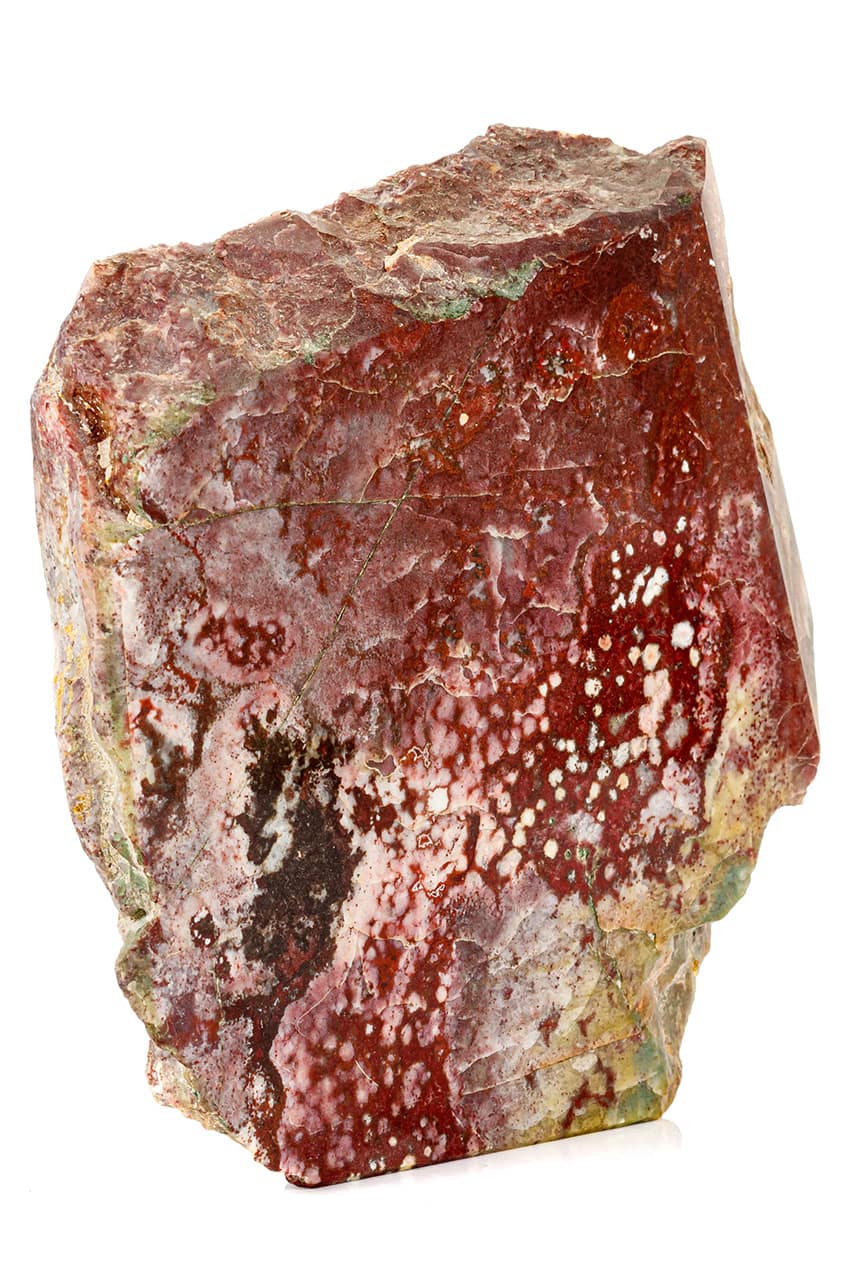
Long before humans carved the first tools, jasper lay waiting in Earth's crust—a stone so ancient, so fundamental, that it appears in the earliest archaeological records of human adornment and tool-making. This microcrystalline quartz, opaque and richly colored by mineral impurities, earned its name from the Greek "iaspis" meaning "spotted stone," though jasper's varieties extend far beyond spots to include swirls, bands, landscapes, and patterns that seem painted by Earth herself.
Ancient civilizations revered jasper as a stone of protection and nurturing. Egyptian priests carved jasper amulets for the dead, believing it would guide souls safely through the underworld. Native American shamans used jasper in rain ceremonies and healing rituals. Medieval warriors set jasper into sword hilts for courage and protection in battle. These diverse traditions share recognition of jasper's fundamental gift—the steady, sustaining energy of Earth herself.
Today, jasper serves as what crystal healers call "The Supreme Nurturer," providing the stable, supportive energy that helps us endure challenges and maintain wholeness during stress. Unlike flashier stones that stimulate or transform, jasper simply supports—holding space, providing comfort, and reminding us that Earth's strength flows through our veins. In an age of constant change and chronic stress, jasper offers the revolutionary gift of steadiness.
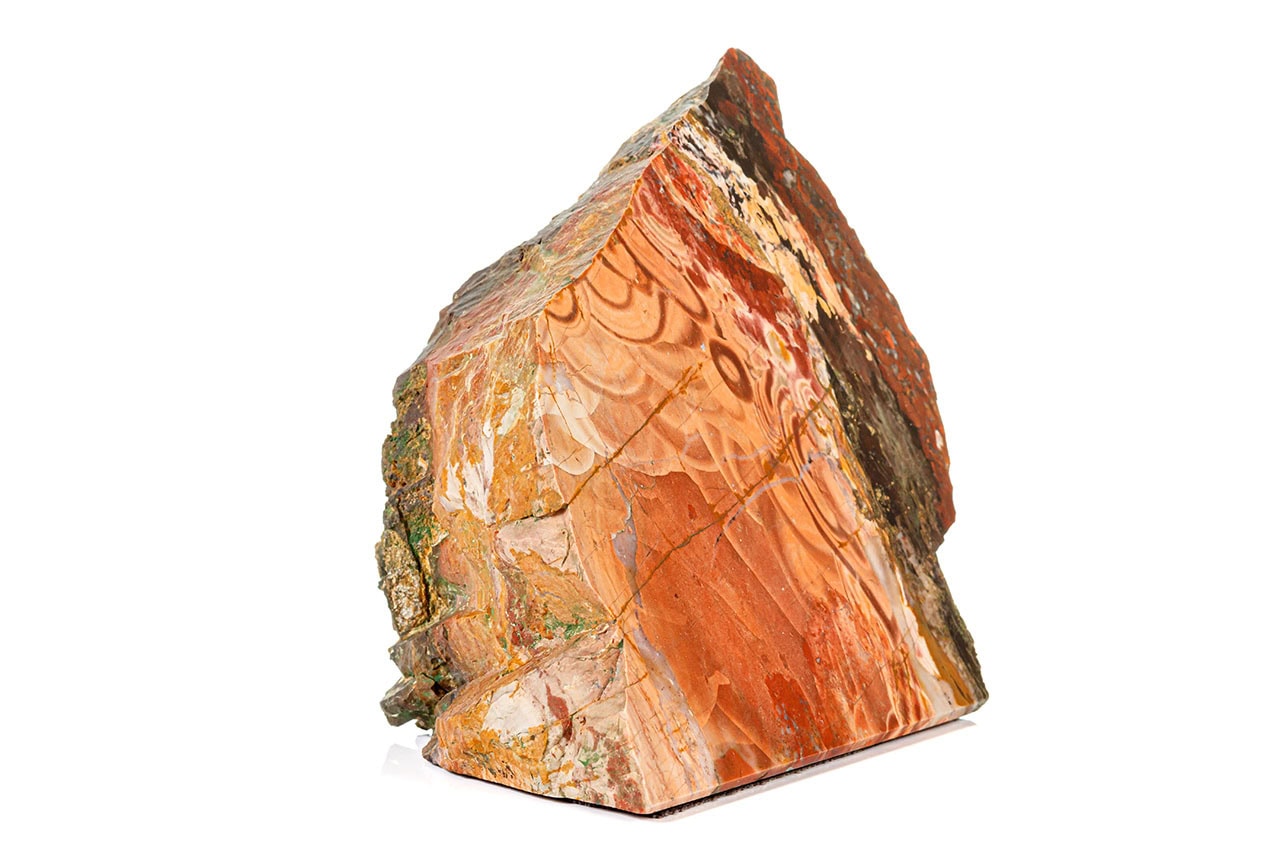
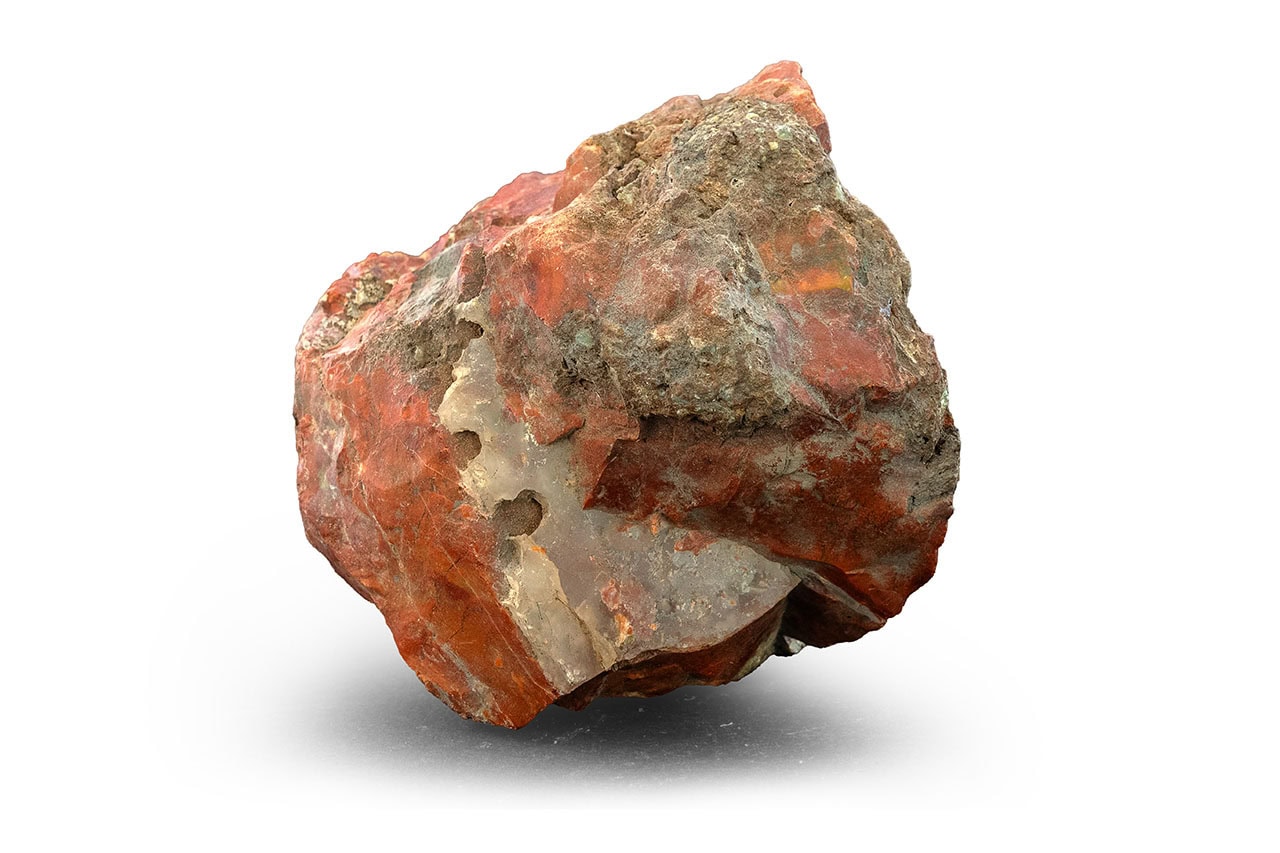
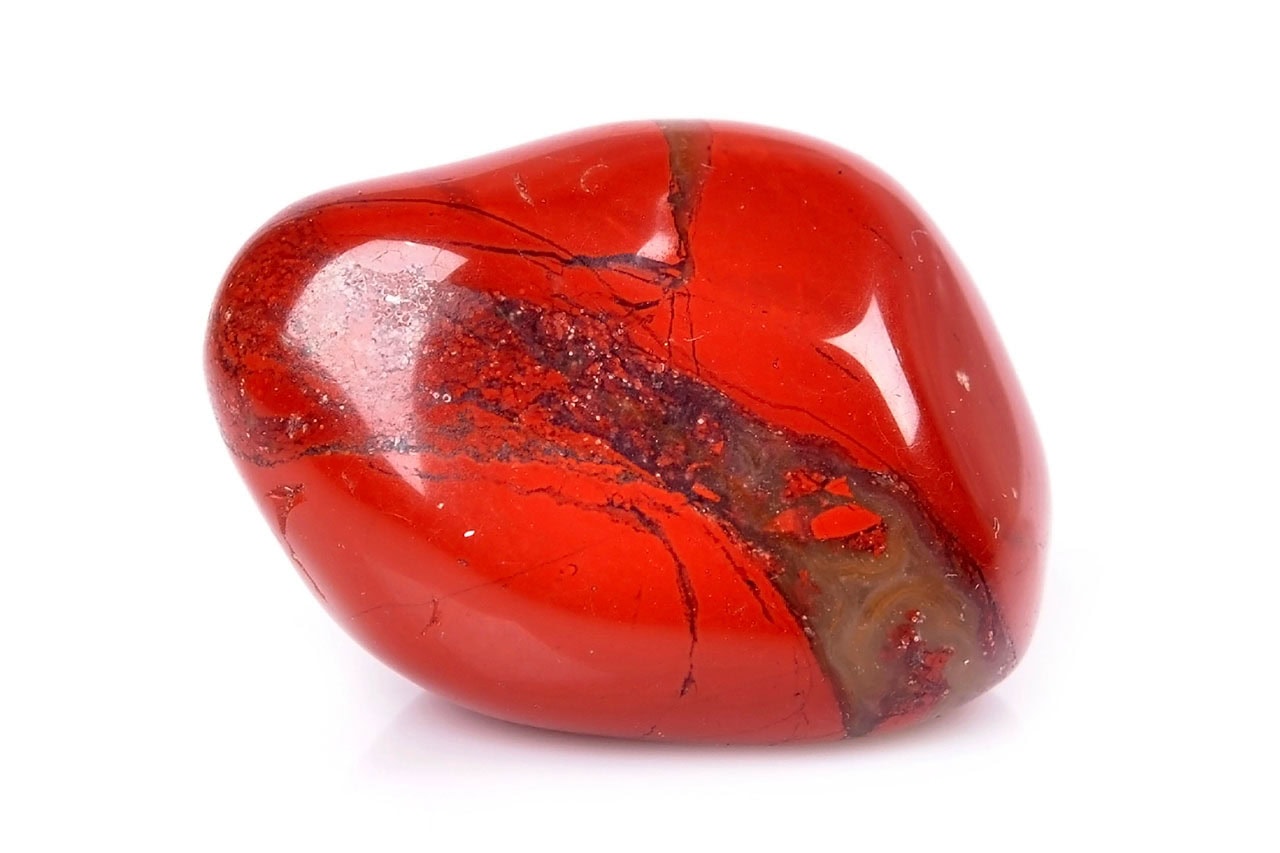
TABLE OF CONTENTS
Properties & Qualities
Physical Properties
Jasper presents itself through an extraordinary diversity of colors and patterns, each variety telling geological stories millions of years in the making. This microcrystalline quartz forms when silica-rich fluids permeate sedimentary or volcanic rocks, incorporating whatever minerals they encounter. The result is an artist's palette of Earth tones—reds from iron, greens from chlorite, yellows from goethite, and countless combinations creating unique patterns.
The mineral's opacity distinguishes it from translucent chalcedony and transparent quartz, though all three share the same silicon dioxide composition. Jasper's opacity results from its microcrystalline structure combined with abundant mineral inclusions that scatter light rather than transmitting it. This dense structure creates the solid, substantial feel that jasper enthusiasts appreciate.
Pattern varieties seem almost endless. Picture jasper displays landscape scenes that appear painted. Ocean jasper shows orb-like patterns resembling bubbles or eyes. Leopard jasper features animal-print spots. Mookaite displays bands of red, yellow, and cream. Brecciated jasper shows angular fragments cemented together. Each variety forms through different geological processes, creating distinct appearances and, practitioners believe, distinct energies.
Jasper's hardness and toughness make it ideal for carving, beading, and daily-wear jewelry. Ancient peoples recognized these practical qualities, using jasper for tools, seals, and ornaments that have survived millennia. The same durability that served prehistoric toolmakers serves modern jewelry wearers, creating pieces that withstand generations of use.
Metaphysical properties
Within metaphysical circles, jasper reigns as "The Supreme Nurturer," providing steady, sustaining energy that supports during stress and maintains wholeness during challenge. Practitioners describe jasper's energy as Earth's heartbeat made tangible—slow, rhythmic, utterly reliable, and profoundly comforting.
The stone's primary resonance with the root chakra creates deep grounding, but jasper's influence extends throughout the entire energy system, providing what healers call "whole-body support." Unlike stones that target specific chakras or issues, jasper allegedly supports the entire being, trusting the body's wisdom to direct energy where needed.
Different jasper varieties carry specialized properties within the nurturing framework. Red jasper provides vitality and courage. Yellow jasper supports confidence and boundaries. Green jasper promotes healing and balance. Ocean jasper encourages joy and release. Picture jasper connects to Earth wisdom and visualization. This diversity allows practitioners to select specific support while maintaining jasper's core nurturing quality.
Ancient traditions recognized jasper as a shaman's stone, used for journeying, rain-making, and connecting with Earth spirits. Modern practitioners continue these traditions, using jasper for grounding during spiritual work, protection during journeying, and maintaining connection to physical reality during expanded states of consciousness.
Meaning & Symbolism
Physical meaning
In the physical realm, jasper embodies the principle of endurance through stability—its formation over millions of years representing the patient accumulation that creates lasting strength. This teaches that true durability comes not from dramatic action but from steady persistence, not from hardness alone but from the flexibility that prevents breaking.
The mineral's incredible variety within a single species demonstrates that stability doesn't require uniformity. Jasper maintains its essential nature—microcrystalline quartz—while expressing infinite variation in color and pattern. This models how individuals can maintain core identity while adapting expression to circumstances.
For those in nurturing professions—parents, caregivers, teachers, healers—jasper symbolizes the sustainable giving that doesn't deplete the giver. Its energy allegedly helps maintain reserves while supporting others, preventing the burnout that comes from giving without replenishment.
The stone's presence in human history from earliest times connects modern users to ancestral wisdom. Holding jasper links us to countless generations who found comfort and utility in this same stone, creating continuity with human heritage that provides its own form of grounding.
Spiritual meaning
Jasper's spiritual significance centers on its role as "The Earth Mother Stone," embodying the nurturing, sustaining energy of the planet herself. Its formation from Earth's own substance—silica, iron, and countless trace minerals—creates direct connection to planetary consciousness and the wisdom accumulated over billions of years.
The stone's opacity carries spiritual meaning—unlike transparent crystals that transmit light, jasper absorbs and holds, teaching that sometimes spiritual practice means receiving and containing rather than transmitting and releasing. This receptive spirituality proves essential for those who've become depleted through excessive giving.
Different spiritual traditions interpret jasper's nurturing qualities through their own frameworks. Indigenous traditions honor jasper as Earth's gift for human sustenance. Western esoteric traditions associate jasper with the physical body and material manifestation. Eastern approaches connect jasper to the lower dan tien and physical vitality. All recognize its fundamental earthiness.
The mineral's incredible age—some jasper formations are billions of years old—connects practitioners to deep time and geological consciousness. Working with jasper allegedly provides perspective on human concerns, reminding us that Earth has witnessed countless cycles of change while maintaining her essential nature.
Healing Benefits
Physical healing
Traditional healing applications for jasper span virtually every culture that encountered this abundant stone. Ancient healers used red jasper for blood disorders, yellow jasper for digestive issues, green jasper for general healing, and brown jasper for grounding scattered energies. These color-based associations reflect intuitive understanding of how different mineral impurities might affect the body.
Contemporary crystal healers use jasper for what they term "systemic support"—placing stones on the body during sessions aimed at general strengthening rather than specific treatment. Jasper's nurturing energy allegedly helps the body's own healing mechanisms function optimally, supporting recovery without directing specific outcomes.
Red jasper specifically sees use for circulatory support and vitality enhancement. Energy workers place it on the root chakra or lower abdomen during sessions focused on increasing physical energy and stamina. The iron content that creates red jasper's color connects it symbolically to blood and life force.
The stone's grounding properties have led to its use in addressing conditions practitioners associate with ungroundedness—anxiety-related physical symptoms, difficulty sleeping, and stress-induced ailments. Jasper's steady energy allegedly helps calm the nervous system and restore the body's natural rhythms.
Emotional healing
The emotional healing properties of jasper center on providing stable support during difficult times rather than dramatic transformation. Therapists who incorporate crystals describe jasper as essential for clients who need sustained nurturing, who've been depleted by chronic stress, or who require steady presence rather than intense intervention.
For those dealing with anxiety, jasper provides gentle, ongoing calm rather than acute relief. Its energy creates baseline stability that makes anxiety spikes less severe and recovery faster. This sustained support, rather than crisis intervention, makes jasper valuable for chronic anxiety management.
The stone excels at what practitioners call "emotional sustenance"—providing the energetic equivalent of nourishing food for depleted emotional reserves. Those who've given too much, endured too long, or simply exhausted their emotional resources find jasper's nurturing energy helps rebuild what's been depleted.
Different jasper varieties address specific emotional needs. Red jasper builds courage and vitality. Yellow jasper strengthens boundaries and self-worth. Green jasper soothes and heals emotional wounds. Ocean jasper encourages joy and release of negativity. Picture jasper provides comfort through connection to Earth's beauty.
Spiritual healing
In spiritual healing contexts, jasper functions as what practitioners call a "spiritual foundation stone," providing the stable base from which all other spiritual work safely proceeds. This makes it essential for beginners establishing practice and advanced practitioners maintaining grounding during intense work.
Advanced practitioners utilize jasper for what they term "Earth healing"—rituals and meditations aimed at supporting planetary health and connecting with Earth consciousness. Jasper's direct formation from Earth's substance creates what some describe as a "hotline" to planetary awareness.
For those experiencing spiritual depletion—exhaustion from excessive spiritual work, giving too much in healing practice, or simply running on empty—jasper provides replenishment. Its nurturing energy allegedly refills spiritual reserves without requiring effort, allowing passive reception of Earth's sustaining force.
The stone's shamanic associations make it valuable for journeying and vision work. Jasper allegedly helps maintain connection to physical reality during expanded states, ensuring safe return from spiritual exploration. This grounding function proves essential for practices involving altered consciousness.
Use & Care
How to use
- Root chakra grounding: Place at base of spine during meditation
- Full body layout: Place multiple jaspers along body for systemic support
- Daily carry: Keep in pocket for ongoing nurturing
- Sleep support: Place under pillow or beside bed
- Stress relief: Hold during overwhelming moments
- Earth connection: Sit on ground holding jasper for deep grounding
- Meditation anchor: Hold during any meditation practice
- Home protection: Place in corners of home for stable energy
- Garden companion: Bury in garden to support plant growth
- Nurturing ritual: Hold while setting intentions for self-care
- Ancestral connection: Use in rituals honoring Earth and ancestors
- Variety selection: Choose specific jasper type for targeted support
How to cleanse
- Earth burial: Bury in soil for 24-48 hours for deep cleansing
- Running water: Hold under natural stream or tap water
- Moonlight bathing: Leave under any moon phase
- Sunlight exposure: Jasper tolerates sun well—charge in daylight
- Salt cleansing: Place in dry sea salt overnight
- Smoke clearing: Pass through sage, cedar, or sweetgrass smoke
- Sound vibration: Use drums or deep singing bowls
- Rain water: Leave outside during gentle rain
- Breath work: Exhale with intention while holding
- Minimal need: Jasper's stable energy resists accumulating negativity
How to charge
- Earth charging: Direct contact with soil overnight
- Sunlight: Extended sun exposure for vitality
- Moonlight: Full moon for balanced charging
- Nature immersion: Leave in forest, garden, or natural setting
- Root vegetables: Bury with potatoes, beets, or carrots
- Tree contact: Place at base of healthy tree
- Mountain energy: Charge on rocks or stone surfaces
- Physical activity: Carry during hiking or outdoor exercise
- Drumming ritual: Charge during rhythmic drumming
- Seasonal timing: Equinoxes for balanced Earth energy
Combining with other stones
- Clear Quartz: Amplifies jasper's nurturing properties
- Black Tourmaline: Enhances grounding and protection
- Rose Quartz: Adds heart healing to nurturing support
- Hematite: Deepens grounding and stability
- Carnelian: Adds creative vitality to stable base
- Smoky Quartz: Enhances transmutation of negativity
- Amethyst: Balances Earth energy with spiritual connection
- Citrine: Adds solar energy and manifestation power
- Bloodstone: Fellow chalcedony for vitality and courage
- Moss Agate: Enhances connection to nature spirits
Identification
Can be mistaken for
- Chalcedony: Translucent versus jasper's opacity
- Agate: Banded chalcedony, more translucent
- Chert: Similar composition, different formation
- Flint: Related material, typically gray or black
- Bloodstone: Actually a jasper variety with green and red
- Serpentine: Green varieties can resemble green jasper
- Rhyolite: Similar patterns in some varieties
- Unakite: Distinct mineral combination, sometimes confused
How to spot a fake
- Opacity test: Real jasper is opaque, not translucent
- Hardness check: Should scratch glass easily (6.5-7)
- Weight assessment: Should feel substantial for size
- Pattern examination: Natural patterns irregular, not perfectly uniform
- Temperature: Natural jasper stays cool initially
- Price appropriate: Common stone, should be affordable
- Dye detection: Acetone test reveals artificial coloring
- Surface texture: Natural shows characteristic waxy to vitreous luster
- Fracture pattern: Conchoidal fracture typical of quartz family
- Source verification: Abundant worldwide, verify unusual claims