Quartz (Rose)
Silicate (Tectosilicate - Quartz group)
Pale pink to rose red, sometimes lavender-pink
Vitreous to waxy
7
2.65
Trigonal (typically massive, rarely crystalline)
Brazil, Madagascar, South Africa, India, USA, Namibia
Common
SiO₂ (Silicon dioxide with trace titanium, iron, or manganese)
In the ancient world, rose quartz was believed to have been created when Aphrodite rushed to save her beloved Adonis from Ares' attack, cutting herself on a briar bush. Her blood mingled with his, staining white quartz forever pink—a mythological origin story that captures what humanity has always sensed about this gentle stone: it carries the essence of love itself, born from sacrifice and devotion.
Archaeological evidence reveals that rose quartz has served humanity's heart for millennia. Assyrian craftsmen carved rose quartz jewelry around 800 BCE. Egyptian and Roman women used rose quartz facial masks believing the stone would preserve youthful beauty and attract love. Tibetan and Chinese cultures revered rose quartz as a stone of love and healing for thousands of years. These diverse traditions share recognition of rose quartz's fundamental gift—the energy of unconditional love made tangible.
Today, rose quartz stands as perhaps the most beloved crystal in metaphysical practice, its gentle pink energy serving as introduction to crystal healing for countless seekers. Yet its accessibility shouldn't obscure its power. Rose quartz works on the deepest wounds of the heart with patience and persistence, teaching that love heals all things given sufficient time. In a world hungry for genuine connection and self-acceptance, rose quartz offers the revolutionary message that we are worthy of love simply because we exist.
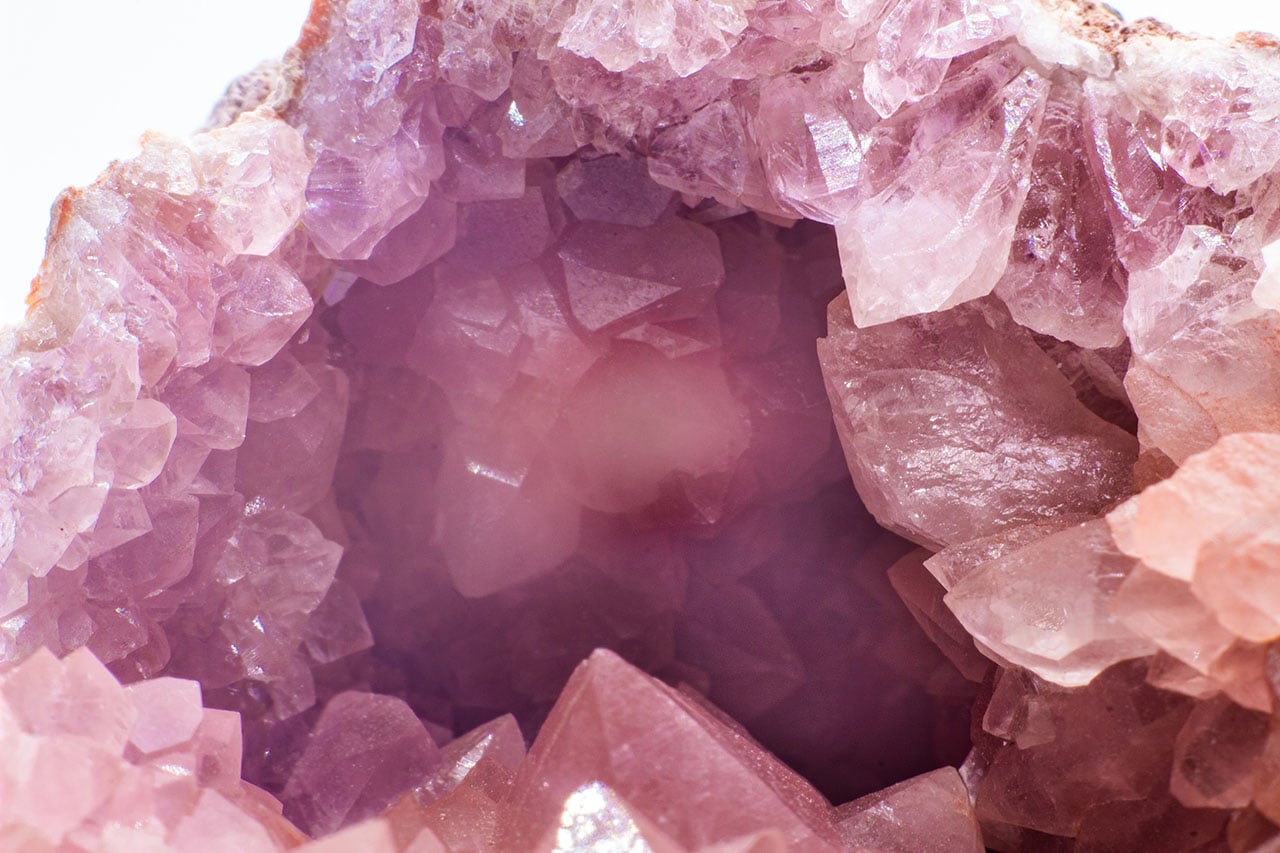
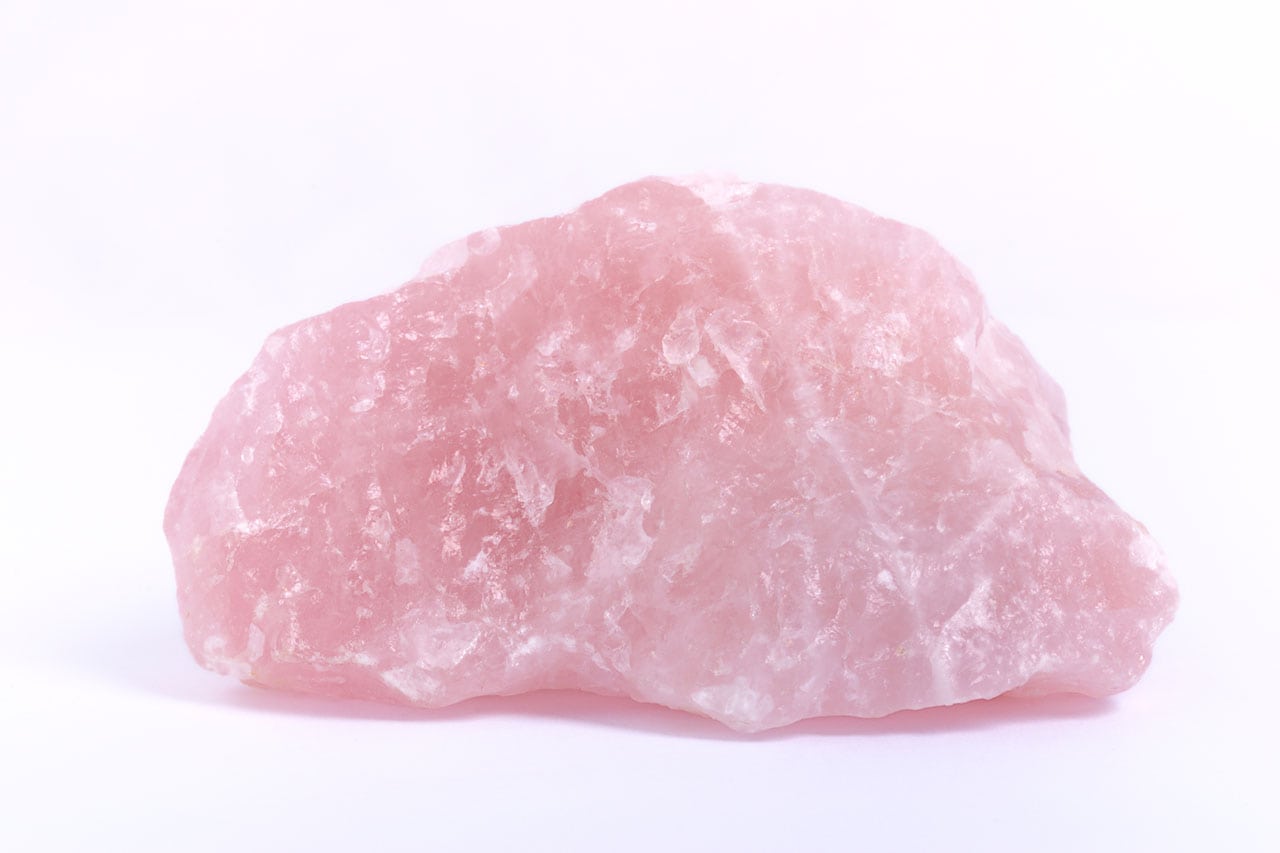
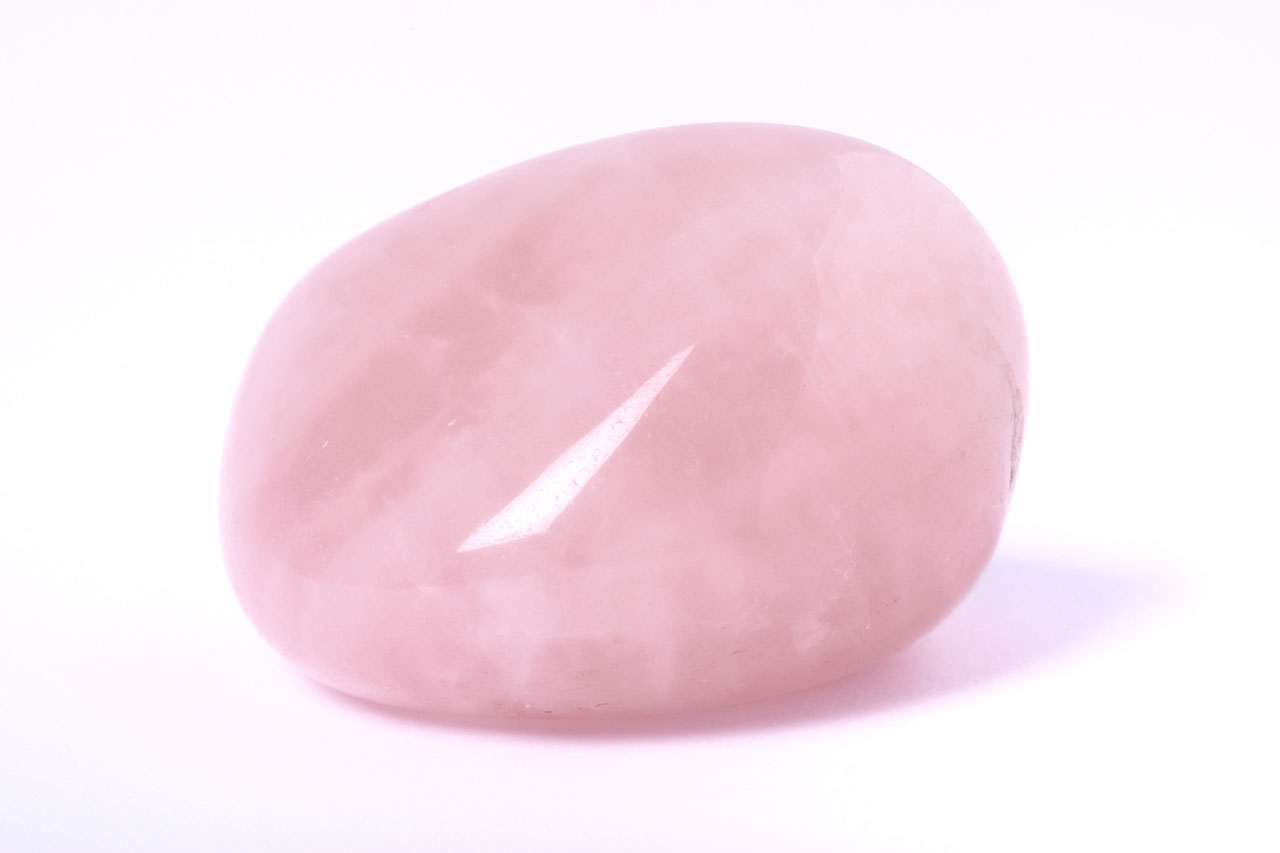
TABLE OF CONTENTS
Properties & Qualities
Physical Properties
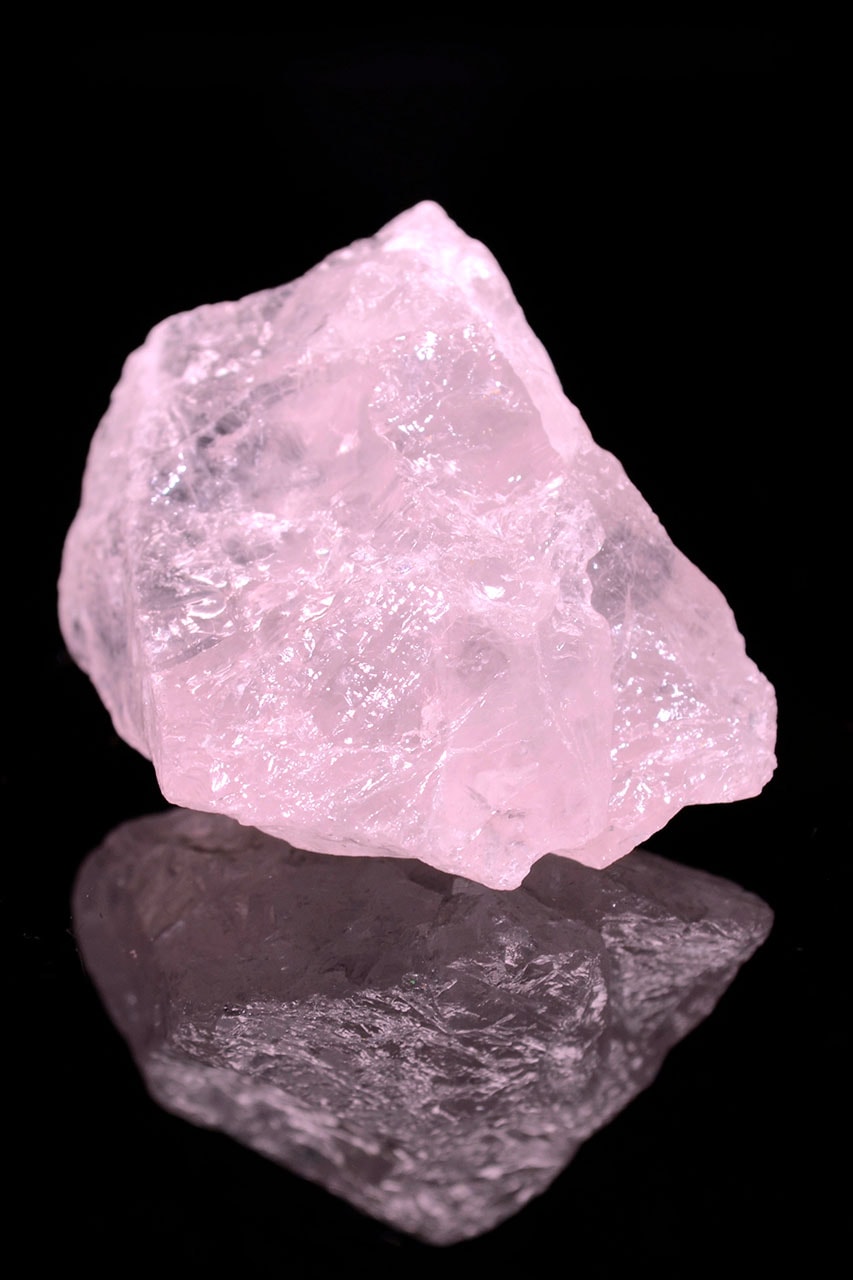
Rose quartz presents itself through its characteristic soft pink coloration, ranging from barely-there blush to deep rose depending on trace element content. This color, long debated among mineralogists, appears to result from microscopic inclusions of fibrous minerals—possibly dumortierite—combined with trace amounts of titanium, iron, or manganese. The exact cause of color varies between deposits, creating subtle differences in hue.
Unlike most quartz varieties that form distinct crystals, rose quartz typically occurs as massive formations without visible crystal faces. This massive habit results from its formation conditions and the fibrous inclusions that create its color. Well-formed rose quartz crystals are extremely rare, found primarily in Brazil, and command premium prices among collectors who prize their unusual occurrence.
The mineral's translucency varies from nearly transparent in fine specimens to cloudy or milky in more common material. Some rose quartz displays asterism—a six-rayed star that appears when light hits oriented rutile inclusions—creating rare and valuable star rose quartz. This phenomenon, best seen in cabochon cuts, adds another dimension to rose quartz's gentle beauty.
Rose quartz's color can fade with prolonged exposure to direct sunlight, a characteristic shared with other pink stones. This photosensitivity requires thoughtful placement and storage, though it also carries metaphorical significance—like the human heart, rose quartz requires gentle treatment and protection from harsh conditions to maintain its beauty.
Metaphysical properties
Within metaphysical circles, rose quartz reigns as the undisputed stone of unconditional love, its gentle pink energy described as "crystallized compassion" that opens, heals, and nurtures the heart. Practitioners consistently report that rose quartz works more gently yet more persistently than any other heart stone, creating gradual but lasting transformation.
The stone's primary resonance with the heart chakra creates comprehensive heart healing that addresses all aspects of love—romantic, familial, friendship, and most importantly, self-love. Unlike stones that target specific relationship types, rose quartz allegedly supports the fundamental capacity for love itself, from which all specific expressions flow.
Rose quartz's energy operates through what practitioners call "love frequency"—a vibration that dissolves barriers to love rather than forcing the heart open. This gentle approach makes rose quartz suitable for even the most wounded hearts, those who've been so hurt that aggressive heart-opening feels threatening. Rose quartz doesn't demand vulnerability but creates conditions where opening feels safe.
Modern practitioners particularly value rose quartz for addressing the epidemic of self-rejection that characterizes contemporary life. Its energy allegedly helps internalize the truth that worthiness isn't earned through achievement but exists inherently. This foundation of self-love then supports healthier relationships with others, reversing the common pattern of seeking external love to fill internal emptiness.
Meaning & Symbolism
Physical meaning
In the physical realm, rose quartz embodies the principle of gentle persistence—its massive formation representing accumulated love rather than dramatic crystallization. This teaches that love builds through countless small moments rather than grand gestures, that the most powerful force operates through patience rather than intensity.
The mineral's common occurrence carries meaning about love's availability. Unlike rare stones that only few can access, rose quartz exists abundantly, teaching that love isn't scarce resource requiring competition but infinite supply available to all. This abundance model challenges scarcity thinking that creates jealousy and hoarding.
For those in nurturing professions—parents, teachers, caregivers, healers—rose quartz symbolizes sustainable giving that doesn't deplete. Its gentle energy models how to extend love without exhaustion, how to give without losing self, how to remain soft in a world that often rewards hardness.
The stone's formation without distinct crystal faces represents love that doesn't need to prove itself through impressive display. Rose quartz teaches that genuine love often appears ordinary, that the most profound caring happens in quiet moments rather than dramatic demonstrations.
Spiritual meaning
Rose quartz's spiritual significance centers on its role as "The Stone of Universal Love," connecting practitioners to the unconditional love that spiritual traditions describe as the fundamental nature of reality. Its pink ray allegedly carries the frequency of divine compassion, helping humans access and embody cosmic love.
The stone's heart chakra resonance positions it as essential for spiritual development that includes rather than transcends emotion. Many spiritual paths emphasize transcendence of feeling, but rose quartz teaches that genuine spirituality embraces the heart, that enlightenment without love isn't complete enlightenment.
Different spiritual traditions interpret rose quartz's loving energy through their own frameworks. Buddhist practitioners might connect it to metta (loving-kindness) meditation. Christian mystics might associate it with divine love and grace. Hindu traditions might link it to bhakti (devotional love). Sufi paths might connect it to the heart's journey toward the Beloved. All recognize its fundamental connection to love as spiritual path.
The mineral's gentle persistence models the spiritual truth that love transforms through patience rather than force. Rose quartz teaches that the heart opens in its own time, that pushing creates resistance while gentle presence creates safety for natural unfolding.
Healing Benefits
Physical healing
Traditional healing applications for rose quartz focus extensively on its heart associations and calming properties. Ancient healers used rose quartz for heart ailments, believing its pink color and loving energy would strengthen the physical heart. Egyptian women used rose quartz in facial treatments, a practice that has seen modern revival in crystal-infused skincare.
Contemporary crystal healers use rose quartz for what they term "heart support," placing stones on the chest during sessions aimed at addressing both physical cardiovascular health and emotional heart wounds. The connection between emotional stress and heart disease makes this dual approach particularly relevant.
Some practitioners work with rose quartz for skin conditions, connecting its traditional cosmetic use to modern understanding of how stress affects skin health. Rose quartz facial rollers and gua sha tools have become popular, combining crystal energy with massage benefits for skin rejuvenation.
The stone's calming properties have led to its use in addressing stress-related conditions of all kinds. Energy workers place rose quartz on various body areas during relaxation sessions, believing its gentle vibration helps activate the parasympathetic nervous system and reduce cortisol levels. These calming effects support overall health by reducing chronic stress.
Emotional healing
The emotional healing properties of rose quartz center on its unparalleled ability to nurture self-love and heal heart wounds with infinite patience. Therapists who incorporate crystals describe rose quartz as essential for virtually every client, as nearly everyone carries some degree of heart wounding or self-rejection.
For those dealing with grief—whether from death, divorce, relationship ending, or other loss—rose quartz provides gentle, sustained comfort. Its energy doesn't rush the grieving process but provides companionship through it, reminding the bereaved that they remain worthy of love even in their pain.
The stone excels at healing what practitioners call "love wounds"—the accumulated hurts from rejection, abandonment, betrayal, or criticism that create patterns of self-protection interfering with current relationships. Rose quartz helps soften these defenses gradually, creating safety for vulnerability without forcing premature exposure.
Rose quartz's most profound emotional healing addresses the fundamental wound of self-rejection. Its energy allegedly helps internalize unconditional self-acceptance, the recognition that worthiness isn't contingent on performance, appearance, or others' approval. This foundation of self-love transforms all other relationships by eliminating the desperate seeking that creates dysfunction.
Spiritual healing
In spiritual healing contexts, rose quartz functions as what practitioners call a "love anchor," helping maintain heart-centered awareness during spiritual practices that might otherwise become cold or disconnected. This makes it valuable for balancing traditions that emphasize transcendence over embodiment.
Advanced practitioners utilize rose quartz for what they term "heart karma healing"—addressing patterns of giving and receiving love that repeat across lifetimes. The stone allegedly helps identify and release these patterns, freeing the heart from ancient wounds that limit current capacity for love.
For those experiencing spiritual heart closure—inability to feel divine presence, disconnection from spiritual love, or doubt about being loved by the universe—rose quartz provides gentle reopening. Its energy doesn't argue against doubt but simply offers experience of love that gradually dissolves skepticism.
The stone's connection to self-love makes it essential for healing spiritual wounds related to unworthiness. Many people carry deep beliefs that they're unworthy of divine love, salvation, or spiritual advancement. Rose quartz helps dissolve these beliefs through direct experience of unconditional acceptance.
Use & Care
How to use
- Heart chakra placement: Lie down with rose quartz on chest center
- Meditation companion: Hold during any meditation practice
- Sleep support: Place under pillow or on nightstand
- Self-love ritual: Gaze at rose quartz while affirming worth
- Bath companion: Place around bathtub for loving soak
- Bedroom placement: Keep in bedroom for relationship harmony
- Daily carry: Keep in pocket or bra for ongoing support
- Facial massage: Use rose quartz roller for skin and energy
- Water infusion: Create gem elixir using indirect method
- Mirror work: Hold while practicing self-acceptance affirmations
- Grief support: Carry during mourning periods
- Relationship healing: Both partners keep rose quartz nearby
How to cleanse
- Moonlight bathing: Leave under full moon overnight
- Running water: Rinse under cool water with intention
- Sound clearing: Use gentle bells or singing bowls
- Smoke cleansing: Pass through rose, sage, or lavender smoke
- Selenite charging: Rest on selenite for purification
- Earth burial: Bury in soil briefly for grounding cleanse
- Breath work: Gentle breath with loving intention
- Rose water mist: Light spray of rose-infused water
- No prolonged sunlight: Can fade color over time
- Regular cleansing: Clean weekly with regular use
How to charge
- Moonlight charging: Full moon for emotional balance
- Rose proximity: Place among rose petals or near roses
- Pink candle: Near pink flame for love energy
- Love intention: Charge while focusing on unconditional love
- Heart meditation: Hold during loving-kindness practice
- Venus timing: Charge on Fridays for love energy
- Gentle sunrise: Brief morning light for soft activation
- Loving music: Play heart-opening music while charging
- Self-love ritual: Charge while practicing self-acceptance
- Group love: Charge during gatherings of loved ones
Combining with other stones
- Amethyst: Adds spiritual protection to heart opening
- Clear Quartz: Amplifies rose quartz's loving properties
- Green Aventurine: Balances emotional and physical heart
- Rhodonite: Adds grounding to heart healing
- Kunzite: Enhances divine love connection
- Rhodochrosite: Deepens self-love and inner child healing
- Morganite: Fellow pink stone for angelic love
- Black Tourmaline: Provides protection during vulnerability
- Citrine: Adds joy and confidence to self-love
- Moonstone: Enhances emotional balance and intuition
Identification
Can be mistaken for
- Pink Calcite: Softer, different crystal structure
- Rhodonite: Has black veining, different composition
- Rhodochrosite: Banded pink, different mineral
- Pink Opal: Different luster and structure
- Morganite: Transparent pink beryl
- Kunzite: Transparent pink spodumene
- Strawberry Quartz: Contains red inclusions
- Dyed Quartz: Artificially colored material
How to spot a fake
- Natural color: Genuine rose quartz shows soft, even pink
- Cloudiness: Most real rose quartz is slightly cloudy
- Temperature: Natural quartz stays cool initially
- Hardness test: Should scratch glass easily (7 hardness)
- Dye detection: Acetone test reveals artificial coloring
- Price appropriate: Common stone, should be affordable
- Bubble check: Glass imitations may contain bubbles
- Weight assessment: Should feel substantial for size
- Color uniformity: Natural may show subtle variations
- Crystal rarity: Well-formed crystals extremely rare and expensive