
Beryl
Cyclosilicate
Colorless, green, blue, yellow, pink, red
Vitreous
7.5-8
2.63-2.92
Hexagonal
Brazil, Colombia, Pakistan, Afghanistan, USA, Madagascar
Common mineral; gem varieties range from rare to extremely rare
Be₃Al₂(SiO₃)₆ (Beryllium aluminum silicate)
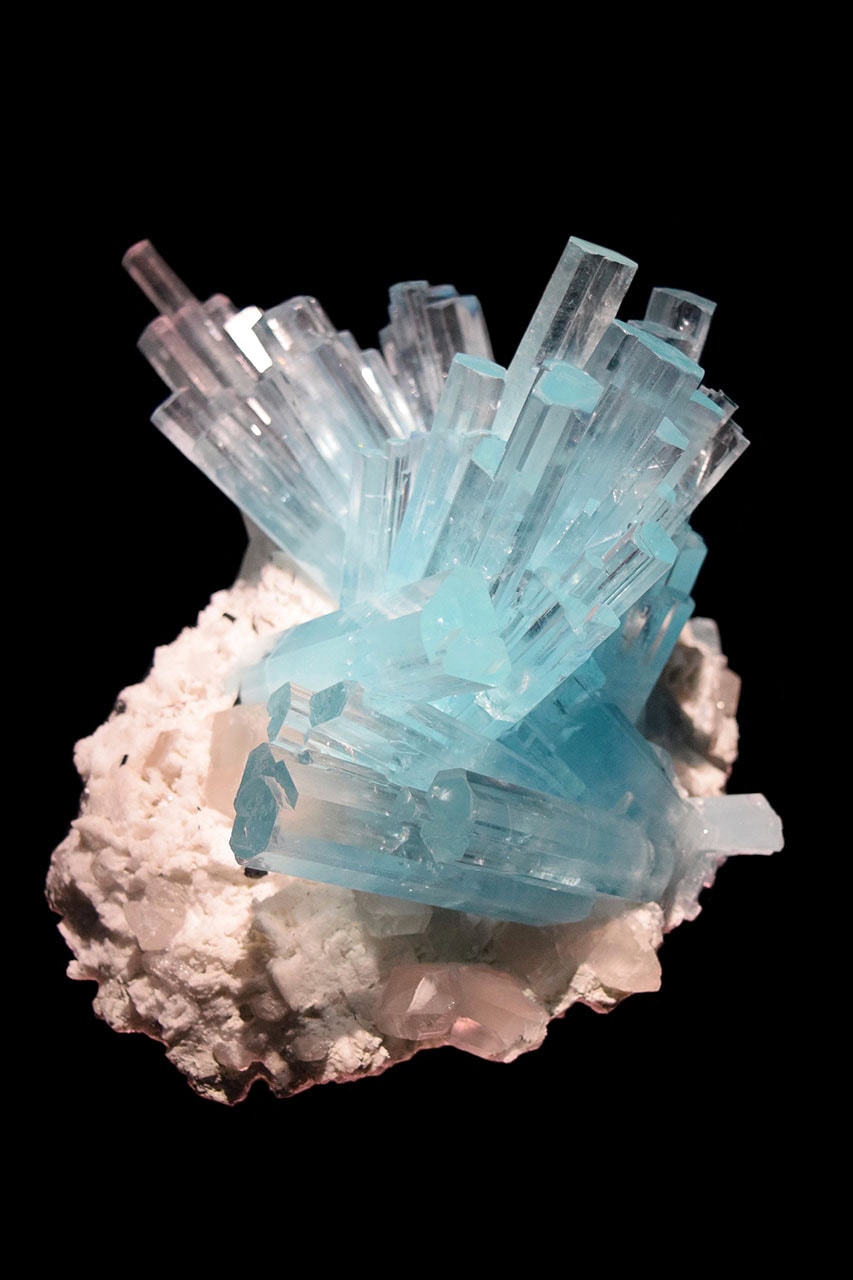
Beryl represents one of mineralogy's most remarkable families—a single mineral species that produces some of the world's most coveted gemstones. From the legendary emeralds of Colombia to the serene aquamarines of Brazil, from the delicate pink morganites to the golden heliodors, beryl demonstrates how trace elements can transform a colorless mineral into treasures that have captivated humanity for millennia.
The name "beryl" derives from the Latin "beryllus," meaning "green stone," though this barely hints at the mineral's spectacular diversity. As a beryllium aluminum silicate, beryl forms in pegmatites and certain metamorphic environments where the rare element beryllium concentrates sufficiently to crystallize. This scarcity of beryllium makes beryl an important commercial source of this strategic metal.
Each variety of beryl tells its own story through color: emerald's green comes from chromium or vanadium, aquamarine's blue from iron, morganite's pink from manganese. The colorless variety, goshenite, reveals beryl in its pure form, while the extremely rare red beryl (bixbite) from Utah represents one of Earth's rarest gemstones.
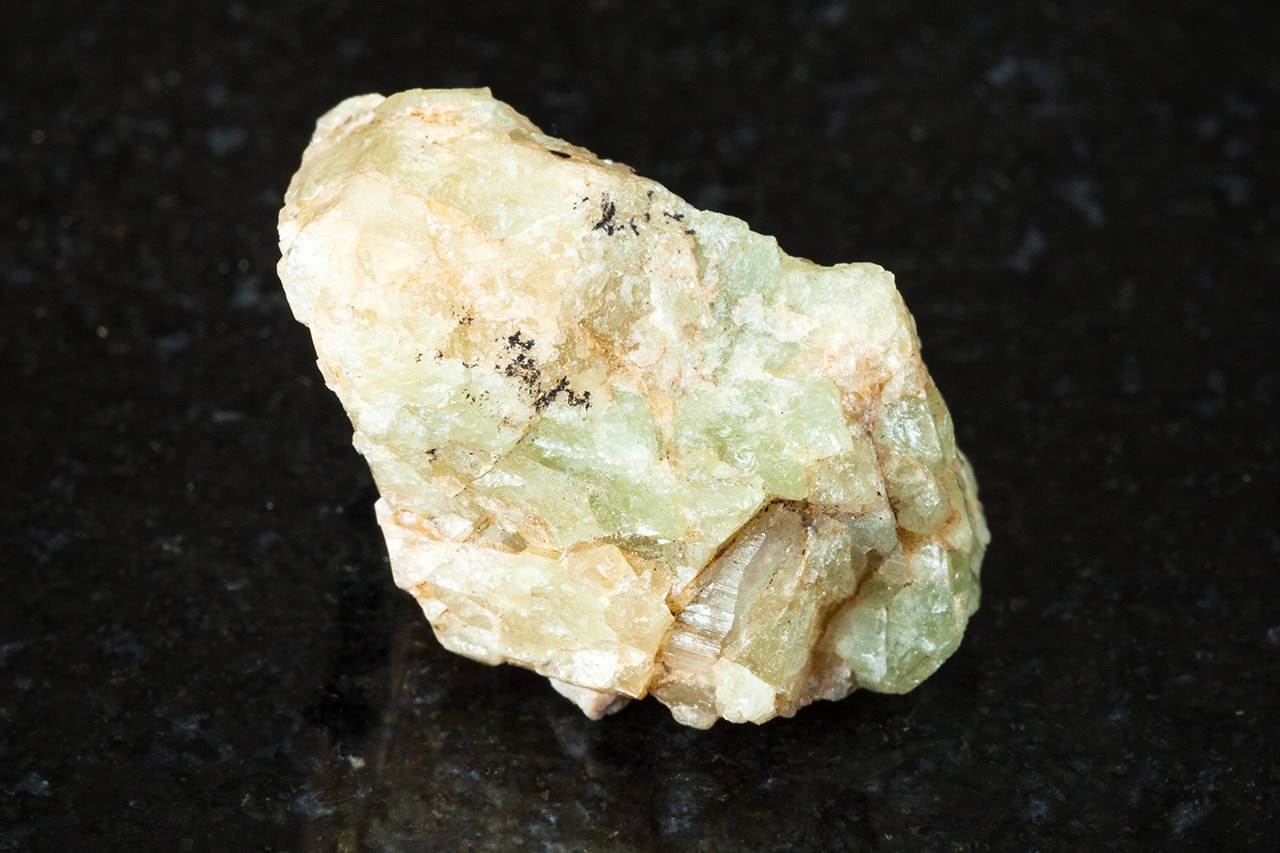
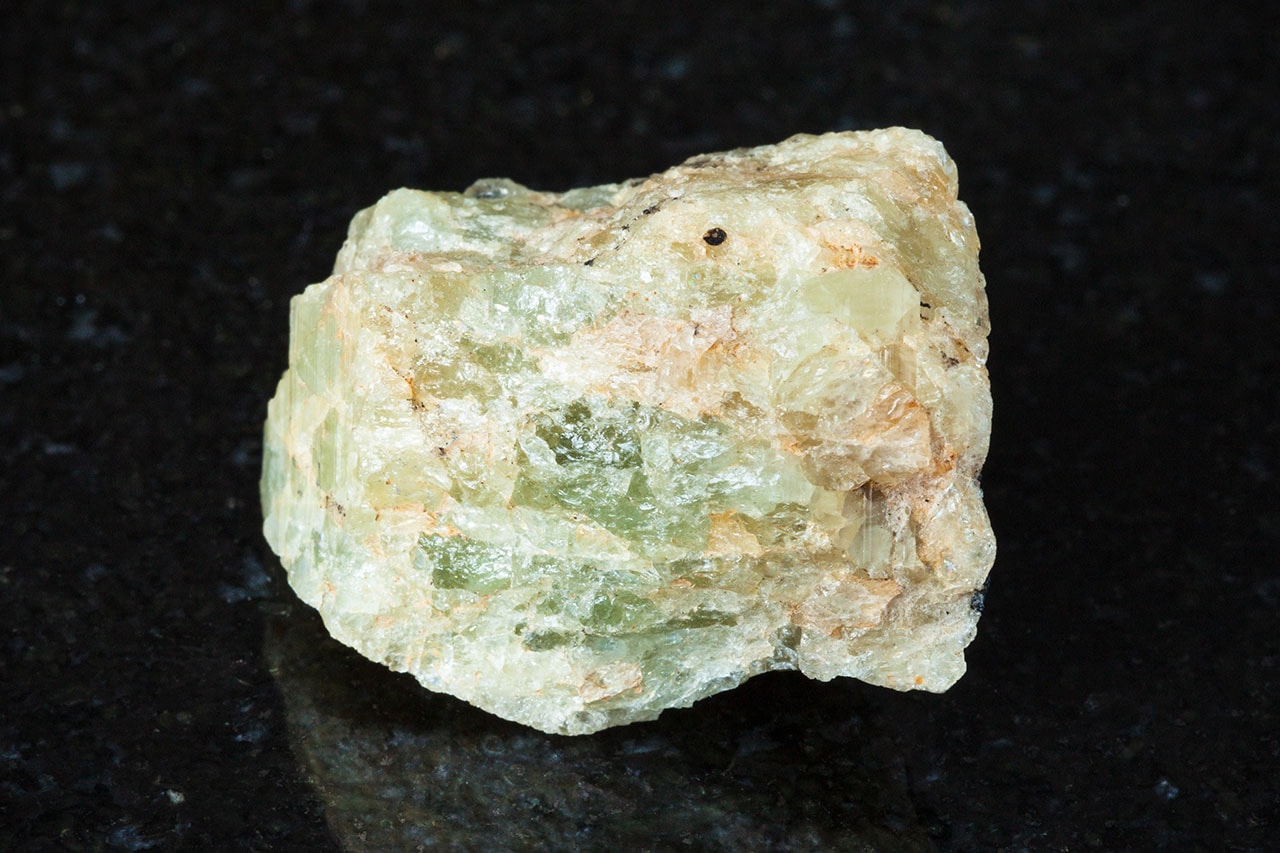
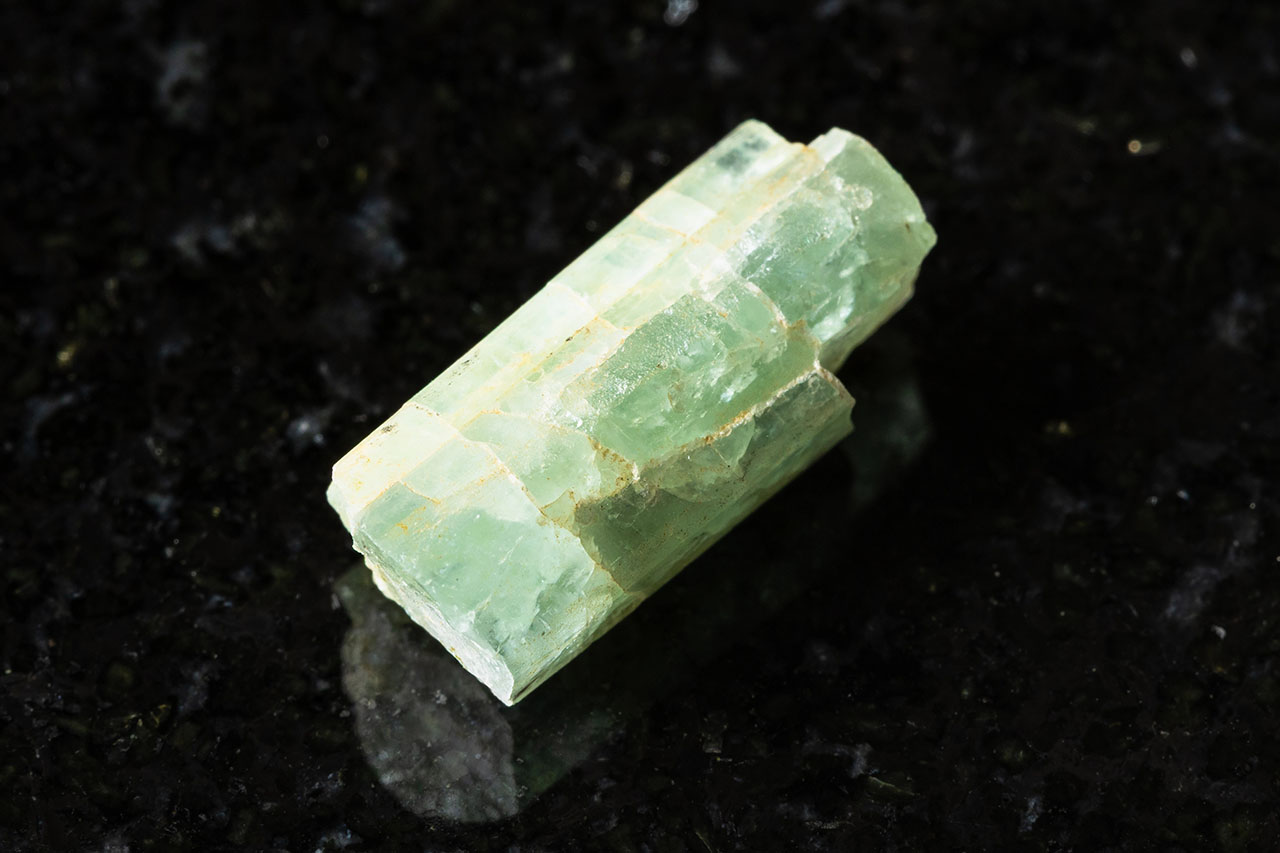
TABLE OF CONTENTS
Properties & Qualities
Physical Properties
Beryl crystallizes in the hexagonal system, typically forming six-sided prisms that can range from tiny crystals to enormous specimens weighing tons. The classic crystal habit shows a hexagonal prism terminated by flat pinacoid faces, though modifications can create more complex forms. Some crystals show vertical striations along the prism faces.
The mineral's hardness of 7.5-8 makes it durable enough for jewelry while still workable by lapidaries. Beryl has imperfect basal cleavage and conchoidal fracture, breaking with smooth, curved surfaces like glass. This combination of hardness and fracture pattern allows beryl to take an excellent polish.
Color in beryl varies dramatically based on trace element substitutions in the crystal structure. Pure beryl (goshenite) is colorless, but tiny amounts of impurities create the rainbow of varieties: chromium or vanadium for emerald's green, ferrous iron for aquamarine's blue, ferric iron for heliodor's yellow, manganese for morganite's pink, and manganese with other elements for the extremely rare red beryl.
Metaphysical properties
Within metaphysical traditions, beryl varieties each carry distinct energetic signatures while sharing core properties of clarity, communication, and spiritual development. The beryl family as a whole is associated with enhancing courage, relieving stress, and calming the mind.
Emerald resonates with the heart chakra and is considered a stone of successful love and domestic bliss. Aquamarine connects to the throat chakra, enhancing clear communication and soothing fears. Morganite works with the heart chakra to attract and maintain love, while heliodor activates the solar plexus chakra for personal power and confidence.
Meaning & Symbolism
Physical meaning
In physical symbolism, beryl represents clarity of purpose and the transformation of basic elements into something precious. Its formation in pegmatites—the final crystallization stage of granitic magmas—symbolizes the refinement and concentration of essence that creates value.
Spiritual meaning
Beryl's spiritual significance centers on its role as a seer stone—historically, polished beryl crystals were used for scrying and divination. The mineral's transparency and clarity make it symbolically connected to spiritual vision, truth-seeking, and the ability to see through illusions.
Healing Benefits
Physical healing
Traditional healing applications vary by beryl variety. These should be understood as energetic and folk practices rather than medical treatments. Emerald has been associated with eye health and vision, aquamarine with throat and respiratory issues, and morganite with heart-related concerns.
Emotional healing
Beryl varieties are used for different emotional healing purposes. Emerald is said to bring emotional balance and patience, aquamarine to calm fears and phobias, morganite to heal old emotional wounds and attract love, and heliodor to boost confidence and willpower.
Spiritual healing
In spiritual healing contexts, beryl is used to enhance meditation, increase spiritual awareness, and facilitate communication with divine realms. Different varieties are chosen based on the specific spiritual work being undertaken.
Use & Care
How to use
- Jewelry wearing:Wear beryl varieties as rings, pendants, or earrings for continuous energetic support
- Meditation focus:Hold during meditation to enhance clarity and spiritual connection
- Elixir preparation:Create gem elixirs (using indirect method) for internal energetic support
- Chakra placement:Place appropriate variety on corresponding chakra during healing sessions
- Environmental placement:Display larger specimens in living or working spaces for ambient energy
How to cleanse
- Running water:Hold under cool running water while setting cleansing intention
- Moonlight:Leave under full moon overnight for gentle cleansing
- Smudging:Pass through sage or palo santo smoke
- Sound cleansing:Use singing bowls or bells for vibrational clearing
- Avoid harsh methods:Some varieties (especially emerald) can be oil-treated and require gentle handling
How to charge
- Sunlight:Brief morning sun exposure (avoid prolonged exposure for colored varieties)
- Crystal clusters:Place on clear quartz or amethyst clusters
- Intention setting:Hold while clearly stating purpose and feeling energy activate
- Moonlight charging:Charge under new moon for new beginnings
- Earth charging:Bury in soil briefly to reconnect with earth energy
Combining with other stones
- Clear Quartz:Amplifies any beryl variety's properties
- Rose Quartz:Enhances love properties of emerald and morganite
- Selenite:Maintains high vibration while cleansing
- Black Tourmaline:Provides grounding for beryl's higher frequencies
- Citrine:Combines well with heliodor for manifestation work
Identification
Can be mistaken for
- Glass:Synthetic materials can imitate beryl varieties
- Other green stones:Emerald confused with tsavorite, chrome diopside, or peridot
- Blue topaz:Often mistaken for aquamarine
- Kunzite:Can resemble pink morganite
- Synthetic beryl:Lab-grown with identical properties but different energy
How to spot a fake
- Inclusion inspection:Natural beryls typically have characteristic inclusions
- Refractive index:Test with refractometer for beryl's specific values
- Specific gravity:Check density—should match beryl's range
- Price reality:If price seems too good for claimed variety, suspect treatment or synthetic
- Certificate verification:Valuable specimens should have gemological certification