
Sphalerite
Sulfide
Yellow, orange, red, brown, black, green, colorless
Adamantine to resinous
3.5 - 4
3.9 - 4.1
Isometric (cubic)
Spain, Mexico, USA, Peru, Australia, China
Common (industrial) to rare (gem quality)
ZnS (Zinc sulfide)
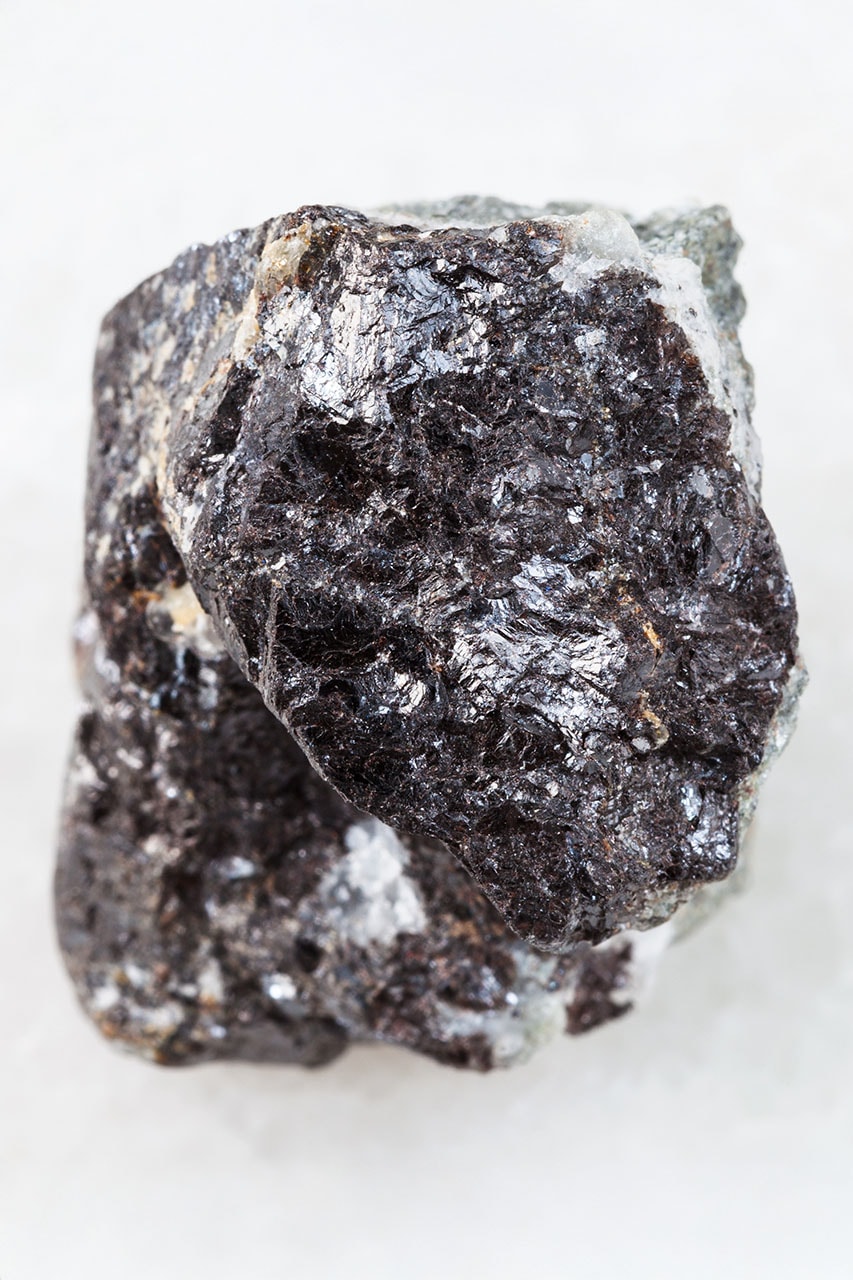
The name is honest history. Miners in the zinc veins of Spain's Picos de Europa long called sphalerite "blende," from a German word meaning to deceive, because its metallic shine mimicked more valuable ores while yielding no lead. Its mineral name comes from the Greek sphaleros, meaning treacherous, given for the same reason: it was easy to mistake for something it was not. Beneath that reputation sits a genuinely unusual stone, one whose transparent crystals can show more fire than diamond when cut.
Sphalerite's appearance varies so widely, from clear honey yellow to metallic black, that early mineralogists sometimes classified different colours as separate minerals before they understood these were all one species. That shifting look, all from a single chemistry, is part of why the stone has drawn attention well beyond the mine.
Industry values sphalerite as the primary ore of zinc. In crystal practice it is traditionally known as a stone of discernment and grounding, an association practitioners tie directly to its deceptive appearance and its habit of taking many forms while staying chemically the same. We cover that tradition below alongside the mineralogy, and keep clear which is which.
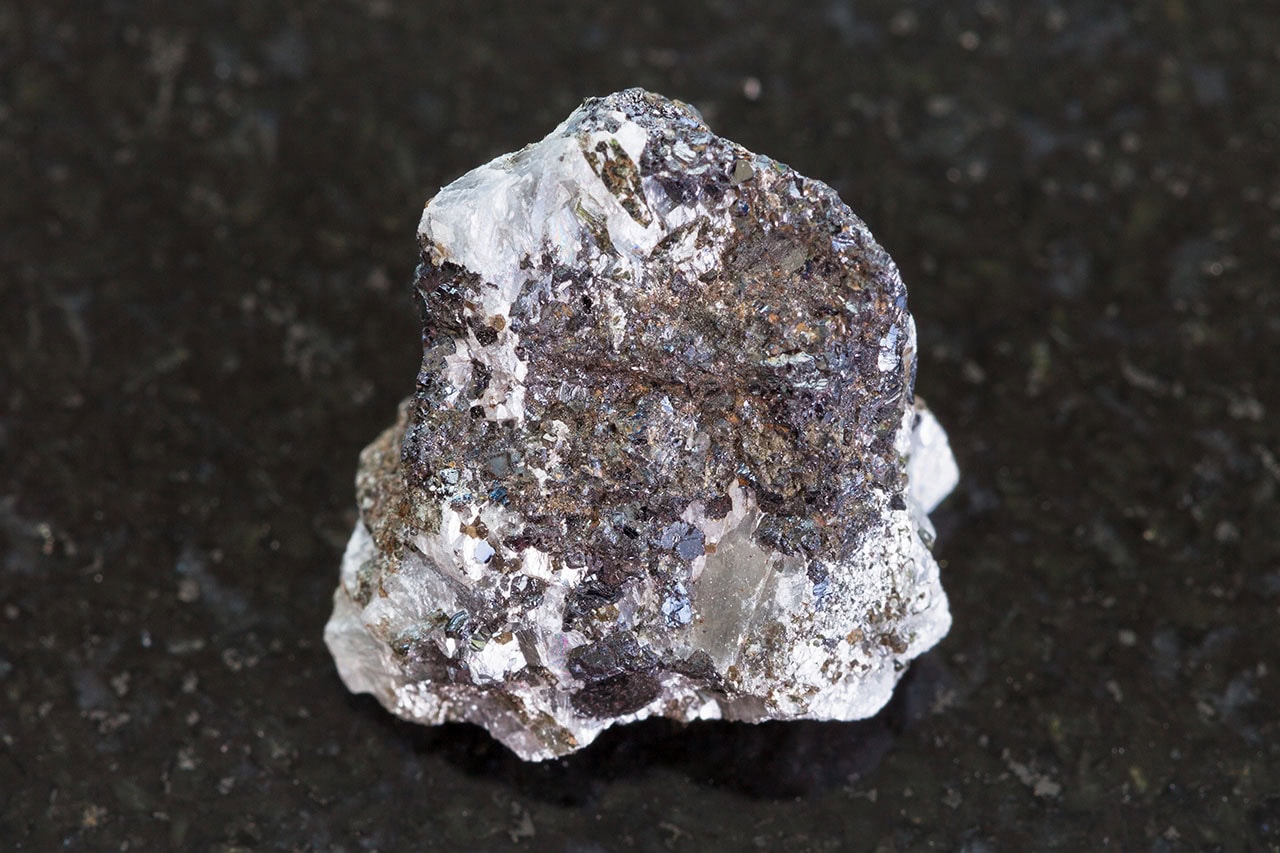
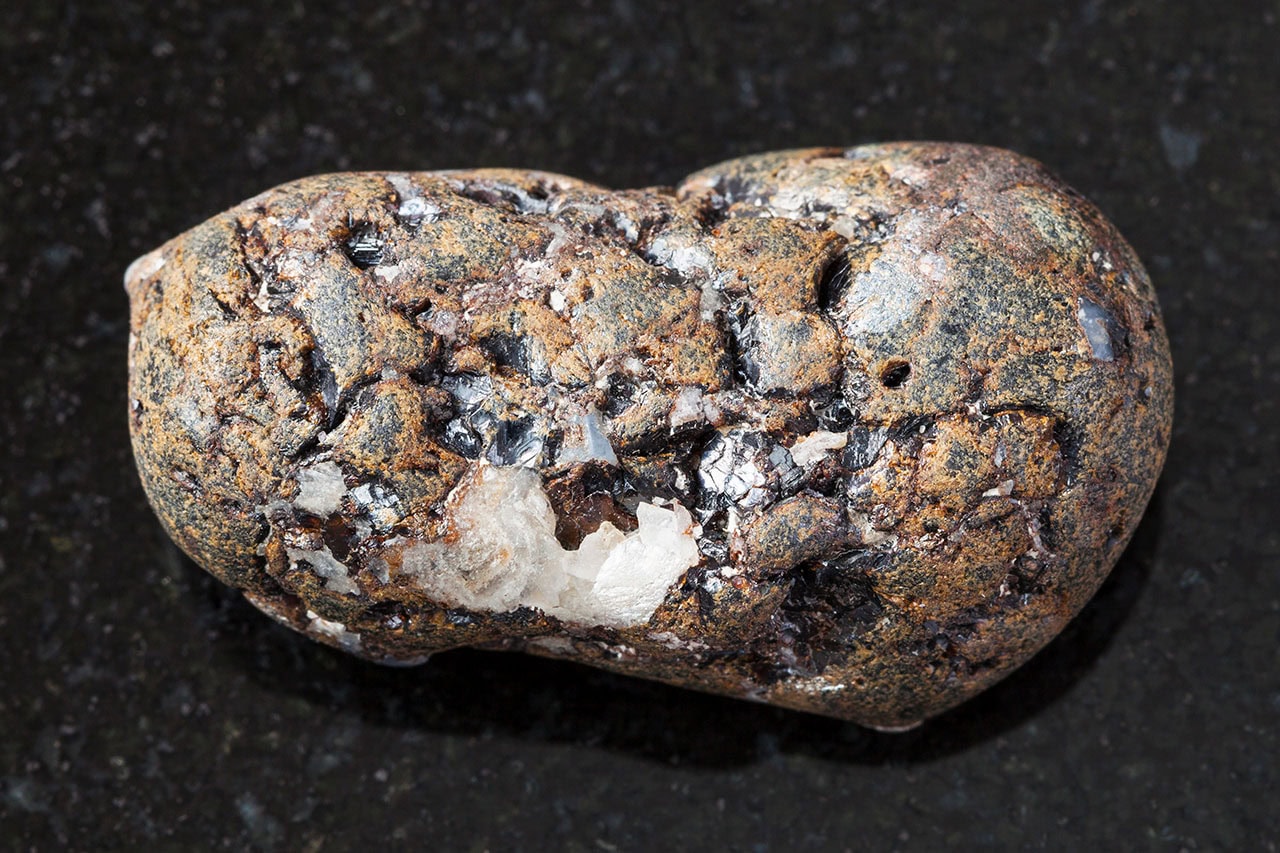
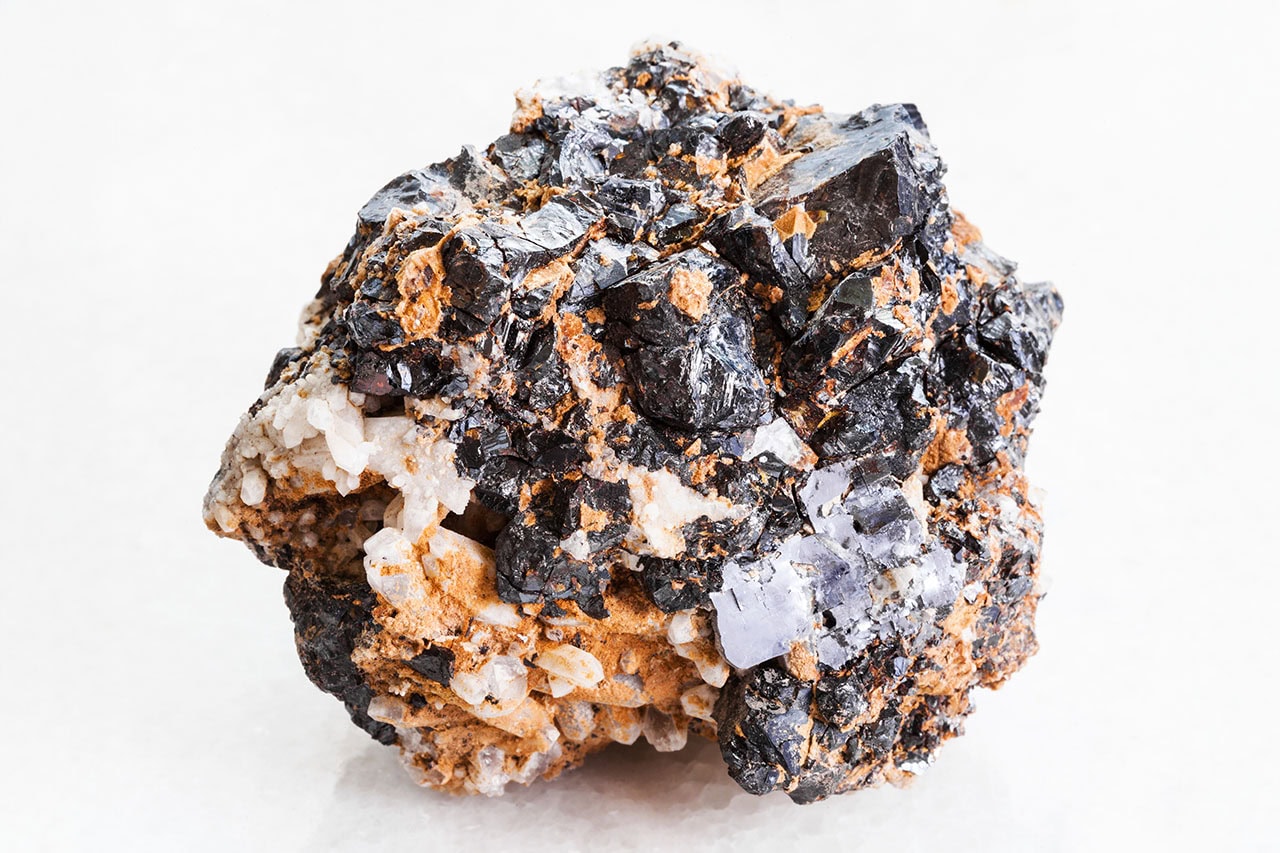
TABLE OF CONTENTS
Properties & Qualities
Physical Properties
Sphalerite is best known optically for its exceptional dispersion, the splitting of light into spectral colours, which is roughly three times that of diamond. In transparent, faceted specimens this produces intense flashes of colour with every movement, an effect of the mineral's very high refractive index. Its chemistry is zinc sulfide, ZnS, and its physical data are well documented in mineralogical references (Mindat; Handbook of Mineralogy).
The colour range spans nearly the whole spectrum, set by trace elements and structure. Iron produces the common brown-to-black varieties, while iron-poor material is pale yellow to colourless, the transparent golden form from Spain's Santander region being known as cleiophane. Reds, oranges, and greens occur where other trace elements are present.
Crystals commonly form tetrahedral or dodecahedral shapes, often with complex twinning, and the mineral has perfect cleavage in six directions, which gives clean, reflective surfaces when broken and contributes to its adamantine to resinous lustre. It is relatively soft, 3.5 to 4 on the Mohs scale, and dense, with a specific gravity around 3.9 to 4.1.
Many sphalerites fluoresce orange, red, or green under ultraviolet light, and some show triboluminescence, emitting small flashes of light when scratched or struck. These light-related properties are part of what makes the mineral a favourite among collectors.
Metaphysical properties
In metaphysical tradition, sphalerite is regarded as a stone of grounding and discernment. Practitioners often link this to its zinc content, describing it as an "energetic anchor" said to keep the mind settled while doing inner or meditative work. They typically contrast it with heavier grounding stones such as hematite, describing sphalerite as grounding through focus and organisation rather than sheer weight.
It is traditionally associated with the root, sacral, and solar plexus chakras, a combination practitioners describe as supporting practical, embodied action, turning ideas and intentions into concrete steps. On that basis it is often suggested in crystal practice for people who feel their spiritual or creative life has drifted away from everyday reality.
Different colours are assigned different reputed qualities within this framework. Golden sphalerite is associated with manifestation and abundance, red with vitality and drive, and black with grounding and protection. Green sphalerite, the rarest, is traditionally linked with nature and earth-connection.
Fittingly for a stone named for deception, sphalerite is most valued in practice as an aid to discernment: telling truth from illusion, and sound intuition from wishful thinking or fear. These are traditional and personal associations rather than measurable properties, and we present them as part of the stone's cultural history, not as fact about the body or mind.
Meaning & Symbolism
Physical meaning
Symbolically, sphalerite is often read as a lesson in hidden value. A stone that looks ordinary, yet holds exceptional fire and a range of critical elements, is easily taken to represent opportunities whose worth is not obvious at first glance, and the value of looking past surface appearances.
Its long role as the primary ore of zinc, an element essential to human health, has led many to connect it symbolically with vitality and strong foundations, the kind of steady underpinning that supports lasting success in health, work, or relationships. This is symbolic association, not a medical property of the stone.
For those in analytical work, its splitting of white light into separate colours is sometimes taken as an image of breaking a complex problem into its parts, a visual metaphor for clear, componentised thinking.
Its shifting colours, all arising from one underlying chemistry, are often read as a symbol of adapting to circumstances without losing your essential identity, presenting a different face where needed while staying fundamentally the same.
Spiritual meaning
In spiritual tradition, sphalerite is sometimes called a stone of grounded spirituality, valued for the way it is said to connect higher awareness with everyday action. Practitioners point to its formation in hydrothermal veins, where hot mineral-rich water deposits crystals in cracks in the earth, as a fitting image of spiritual energy finding a channel into material form.
Its deceptive nature has long made it a teaching stone in this context, associated with the idea of illusion and with the value of developing discernment on a spiritual path. In that framing, dramatic spiritual experiences can prove hollow while quieter truths run deep, and sphalerite is reputed to help tell one from the other.
Its light-producing qualities, fluorescence and triboluminescence, are read in some traditions as a sign of inner light within dense matter, an idea that echoes older alchemical themes of finding value in common materials rather than only in rare ones.
Because zinc is essential to the body in small amounts but harmful in excess, practitioners sometimes take the mineral as a symbol of balance and moderation in spiritual practice, the idea that energy is best integrated steadily rather than accumulated without limit. As with all such associations, these are matters of tradition and personal meaning rather than demonstrated fact.
Healing Benefits
Physical healing
Crystal practice traditionally connects sphalerite with the body through its zinc content, but these are folk and metaphysical associations, not medical effects, and sphalerite is a sulfide mineral that should be handled with care. Nothing here is a treatment, and none of it is a substitute for medical advice.
References to sphalerite in older healing lore tend to echo zinc's known role in the body, and it has been linked in tradition with the skin and with tissue repair. Contemporary practitioners more often describe using it for what they call "system regulation," resting tumbled stones on the lower body during sessions meant to encourage a general sense of vitality rather than to address any specific condition.
Within this tradition, golden varieties are linked with digestion and energy, red with circulation and drive, and black with a sense of clearing, each association drawn from zinc's symbolism rather than from any measured action of the stone.
Because sphalerite is a sulfide, practitioners are firm that it should never be placed in water, and that any "elixir" is made only by the indirect method, with the stone sealed away so it never touches the liquid. Even then, this is a traditional practice, not a health intervention. For anything concerning your physical health, see a qualified medical professional.
Emotional healing
In crystal practice, sphalerite's emotional associations centre on discernment, the reputed ability to recognise genuine feelings and to see through emotional manipulation, whether from others or from one's own inner drama. Some practitioners suggest it for people rebuilding trust in their own judgement, though anyone dealing with the effects of manipulation or abuse deserves real support, and a stone is no replacement for it.
For confidence, sphalerite is traditionally described as building steadiness from the ground up. Rather than inflating self-image, practitioners say it supports a sense of self-worth rooted in real ability and experience, the kind that tends to hold up better than affirmation alone.
It is also associated in practice with what practitioners call "spiritual bypass," the habit of using spirituality to sidestep ordinary life. In that framing, sphalerite is said to encourage a more grounded development that includes practical, emotional, and physical realities rather than avoiding them.
Different colours are again given different reputed emphases: golden for feelings of unworthiness around money and success, red for reconnecting with drive after a period of shutdown, black for a sense of clearing what drains emotional energy. These are traditional associations offered as part of a personal practice, not psychological treatment.
Spiritual healing
In spiritual practice, sphalerite is often described as a "reality anchor," reputed to help keep a person grounded during intense inner work while staying open to it. On that basis it is a popular choice among those who value a practical, down-to-earth approach to meditation and contemplative work.
Its discernment reputation carries into this context too. Practitioners describe using it to notice when a spiritual experience feels misleading rather than genuine, and to stay clear-eyed about the difference between real insight and self-flattering imagination.
For people prone to grandiosity or spiritual inflation, sphalerite is traditionally said to offer grounding without dampening genuine curiosity or growth, helping keep experiences in proportion.
It is also associated with easing the sense of conflict some feel between spiritual life and material success, a tension common in spiritual communities. As with every association in this section, these are matters of tradition and personal meaning, offered as part of a practice rather than as demonstrated fact.
Use & Care
How to use
- Lower chakra placement: Lie down and place on root/sacral/solar plexus
- Grounding meditation: Hold black sphalerite during grounding practices
- Manifestation work: Use golden variety while visualizing goals
- Discernment practice: Hold when making important decisions
- Protection stone: Carry black sphalerite for energetic protection
- Abundance grid: Include in prosperity crystal grids
- Truth seeking: Meditate with sphalerite when clarity needed
- Energy regulation: Wear to maintain steady energy levels
- Shadow work: Use during therapy for seeing through illusions
- Business support: Keep on desk for practical success
- Brief contact: Limit skin contact due to sulfide content
- Tumbled only: Use only polished stones for safety
How to cleanse
- Smoke cleansing: Sage or palo santo—avoid water methods
- Sound clearing: Bells or singing bowls very effective
- Moonlight bathing: Leave in moonlight for gentle cleansing
- Sunlight brief: Very short sun exposure only
- Breath work: Breathe intention while holding briefly
- Selenite charging: Rest on selenite for purification
- No water: Never use water due to sulfide content
- No salt: Avoid salt which can react with minerals
- Gentle handling: Softer stone requires careful treatment
- Regular cleansing: Clean energetically after each use
How to charge
- Earth charging: Place on soil for grounding energy
- Pyramid power: Use pyramid structures for charging
- Crystal clusters: Rest on quartz or amethyst clusters
- Candlelight: Charge near flame for inner fire activation
- Success symbols: Surround with symbols of achievement
- Metal enhancement: Place near zinc or brass for resonance
- Group intention: Charge in prosperity-focused circles
- New moon: Charge during new moon for new beginnings
- Visualization: Imagine golden light filling stone
- Brief sessions: Short charging periods due to intensity
Combining with other stones
- Black Tourmaline: Enhances grounding and protection
- Pyrite: Amplifies manifestation and confidence
- Citrine: Increases abundance and solar plexus power
- Hematite: Deepens grounding for practical action
- Tiger's Eye: Adds discernment and focused will
- Garnet: Increases vitality and passion
- Clear Quartz: Amplifies while adding clarity
- Carnelian: Enhances creativity and life force
- Smoky Quartz: Helps transmute released energies
- Obsidian: Supports shadow work and truth-seeing
Identification
Can be mistaken for
- Galena: Similar metallic appearance but galena is lead ore
- Pyrite: Metallic varieties can resemble pyrite
- Cassiterite: Brown varieties look similar
- Rutile: Can have similar adamantine luster
- Diamond: Clear sphalerite's fire mimics diamond
- Sulfur: Yellow varieties can be confused
- Wurtzite: Polymorph of sphalerite, nearly identical
- Smithsonite: Zinc carbonate with similar colors
How to spot a fake
- Specific gravity: Real sphalerite notably heavy (3.9-4.1)
- Cleavage check: Perfect cleavage in six directions
- Hardness test: Soft—easily scratched (3.5-4)
- UV fluorescence: Many specimens fluoresce orange/red
- Refractive index: Very high RI creates exceptional fire
- Crystal form: Look for tetrahedral shapes
- Streak test: Streak is pale brown to yellow
- Price analysis: Gem quality expensive, common varieties cheap
- Location matters: Know source for quality assessment
- Expert needed: Complex identification may require testing