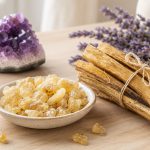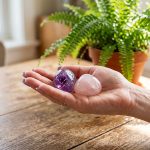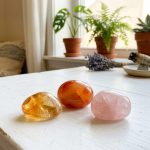
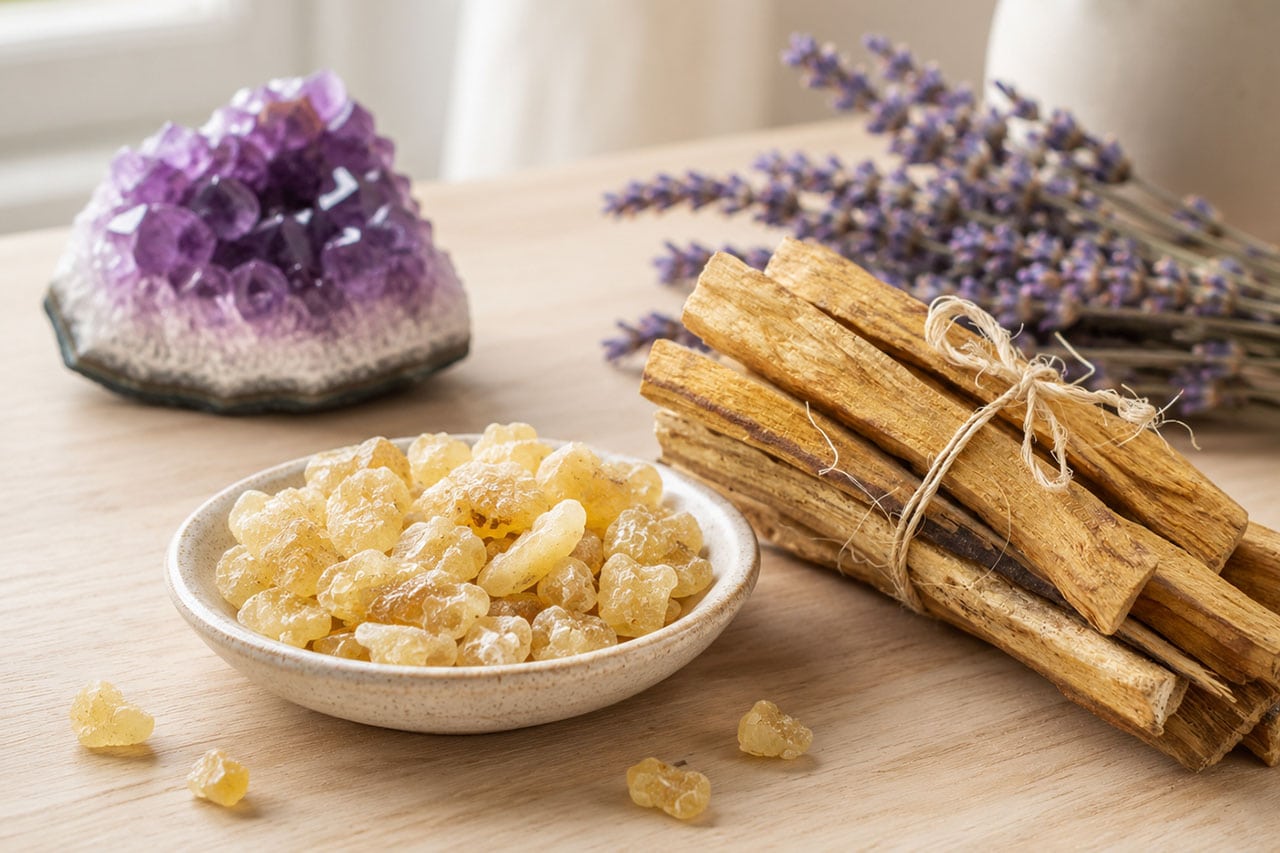
Copal is a tree resin from Central and South America, used in Mesoamerican spiritual practice for thousands of years and adopted into modern crystal cleansing. To use it: light a small piece on an incense charcoal disc, let it smoulder, and pass crystals through the smoke.
Walk into most modern crystal shops and you will find copal next to white sage, palo santo, and other smudge bundles. It sits there as one option among many, often unlabeled in a way that suggests it is interchangeable with the others. Look. It is not.
Copal is a tree resin with thousands of years of ritual history in what is now Mexico and Central America, used in Aztec and Maya temple ceremonies long before it crossed into modern wellness practice. Treating it as a generic “cleansing tool” misses what it actually is and what makes it interesting. Honestly, it also flattens a real tradition into something it isn’t.
What follows is what copal is, where it comes from, what it has been used for historically, and how it is used in crystal practice now.
What Copal Actually Is
Copal is the hardened resin (the sticky sap) of several tree species native to tropical Central and South America. The most common sources are trees in the genus Protium and Bursera, particularly the species Bursera bipinnata, which produces what is sometimes called “gold copal” or “white copal.”
The resin is collected by making small cuts in the bark of mature trees. The tree responds by oozing a thick, fragrant sap that hardens over weeks into solid amber-coloured chunks. These chunks are graded, sorted, and sold as incense.
Technically, copal is on the same spectrum as amber. Amber is fossilised resin, millions of years old. Copal is much younger, sometimes only decades or centuries old, hardened but not fully fossilised. Different grades of copal show different colours (gold, white, black) depending on the source species and the age of the resin.
Where Copal Comes From, Historically
Copal has been burned as a sacred substance in Mesoamerican ritual for at least two thousand years. Aztec temples used copal in daily ceremonies. Maya religious practice incorporated it in offerings to the gods. The Nahuatl word for copal is copalli, meaning incense.
In contemporary indigenous practice across Mexico, Guatemala, Honduras, and other Central American countries, copal continues to be burned in religious ceremony, in domestic rituals, in healing practice, and in seasonal observances. It is not a historical relic. The traditions are living traditions, and the resin remains commercially and culturally important.
When copal entered the modern Western wellness market, it was largely without that context. Most mainstream crystal sites describe copal alongside white sage and palo santo as “cleansing herbs and resins” without acknowledging that copal is a distinct material from a distinct tradition. That is not a small detail. Treating copal as interchangeable with sage is roughly equivalent to treating frankincense as interchangeable with juniper berries because both produce nice-smelling smoke.
How Copal Is Used in Crystal Cleansing
Modern crystal cleansing with copal follows a simpler pattern than the ceremonial use it draws from.
Light a small piece on a charcoal disc. Copal needs more heat than dried plant material to release its smoke. Use a self-lighting incense charcoal disc placed in a heat-safe dish. Light the disc, wait for it to glow red, then place a small piece of copal on top. The resin will start to smoke within seconds.
Pass your crystals through the smoke. Hold each crystal in the rising smoke for several seconds, turning it so the smoke reaches all sides. The intent here is what most practitioners describe as clearing stagnant or unwanted energy from the stone. You are not coating the crystal in anything physical, just exposing it to the smoke. Smoke is also the gentlest method for stones that shouldn’t get wet, so it’s worth knowing which crystals should not be put in water before you reach for a bowl instead.
Open a window. Copal smoke is heavier and more aromatic than incense-stick smoke. Even a small piece will fill a small room. The traditional practice often happens outdoors or in open ritual spaces.
Let the resin burn out fully. Copal does not need to be extinguished mid-burn. A small piece will smoulder for several minutes and then quietly stop.
If you do not have charcoal discs, copal resin can also be burned on a small heat-resistant ceramic dish over a tealight candle, though this produces less smoke and works less effectively. For the wider picture on what copal is good for beyond crystals, see what copal incense is used for.
What Copal Smoke Is Believed to Do
The traditional and contemporary belief about copal smoke is that it carries prayers and intentions upward, purifies sacred space, and clears unwanted spiritual presences from people, objects, and places. In crystal practice specifically, the smoke is believed to reset a stone’s energy after handling, programming, or extended use.
These are belief-based claims rather than measurable effects. The physical reality is that copal smoke contains aromatic compounds that have a distinctive scent and behave like any other incense smoke in the air. The meaning the smoke carries is what makes the practice meaningful to the people who use it.
That distinction matters. People have burned copal in serious religious contexts for thousands of years, and the practice deserves to be understood as it has actually been used. Whatever a crystal-cleansing session with copal does or does not do at a physical level, the smoke is doing real cultural and emotional work for the people who hold the tradition. Wellness language often flattens that work. Honest writing about copal does not have to.
For stone-specific care notes, see the Crystalance Mineral Library. Copal is one option among several. Use it because the smoke and the practice speak to you, not because the internet told you all cleansing methods are interchangeable. They are not.