Aventurine
Tectosilicate (Quartz family)
Green (most common), red-brown, gold-brown, blue, peach, yellow
Dull to vitreous
7
2.64-2.69
Trigonal (massive)
Brazil, Chile, India, Austria, Russia, Tanzania
Common; gem-quality in colors other than green is rare
SiO₂ (Silicon dioxide with mineral inclusions)
In the bustling glass workshops of 18th-century Venice, an accident would give a gemstone its name. When copper filings accidentally spilled into a batch of molten glass, the Miotti family created a sparkling, iridescent material that would become known as "goldstone." The Italian words "a ventura"—meaning "by chance"—were used to describe this happy accident, and when a natural stone with similar sparkle was later recognized, it inherited the name aventurine.
But aventurine's history stretches far deeper than Venetian glass shops. Some of the earliest known primitive tools, discovered in Ethiopia's Omo Valley and dating back more than two and a half million years, were constructed from aventurine quartz. Its excellent hardness combined with what geologists call isotropic brittleness made it ideal for shaping into tools—a practical beginning for a stone that would later become synonymous with luck and emotional healing.
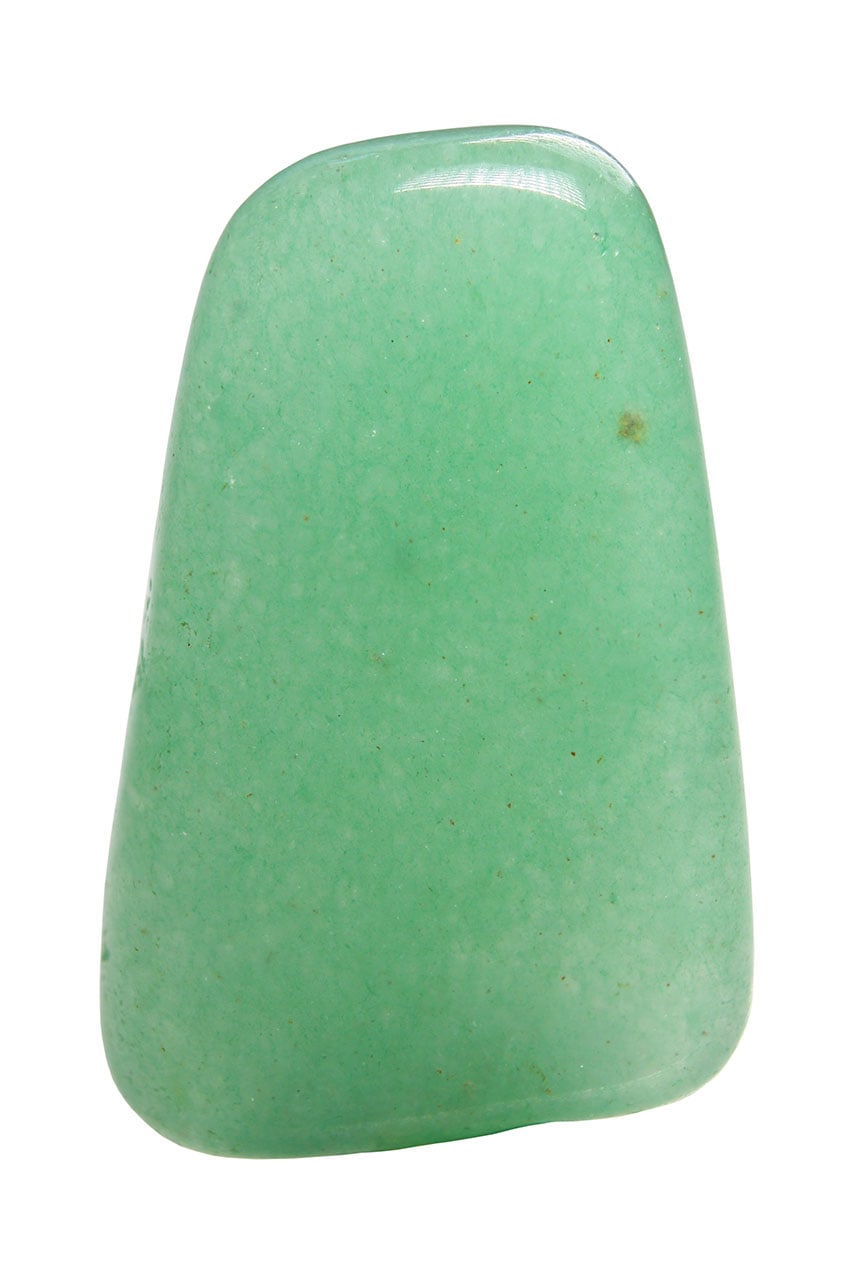
Aventurine is a gemstone variety of quartz characterized by its translucency and sparkly metallic inclusions that create a unique optical phenomenon known as "aventurescence." This shimmering effect, caused primarily by inclusions of muscovite mica, fuchsite, hematite, or goethite, gives aventurine its distinctive personality—a stone that seems to contain captured starlight within its green depths.
Today, aventurine bridges the worlds of practical gemology and metaphysical practice. While jewelers prize it for cabochons, beads, and ornamental carvings, crystal healers call it the "Stone of Luck" and value its reputed ability to calm troubled spirits and promote inner peace. From the mines of India, where it's sometimes misleadingly called "Indian jade," to the pegmatites of Brazil, aventurine continues to demonstrate that sometimes the most beautiful things in life happen by chance.
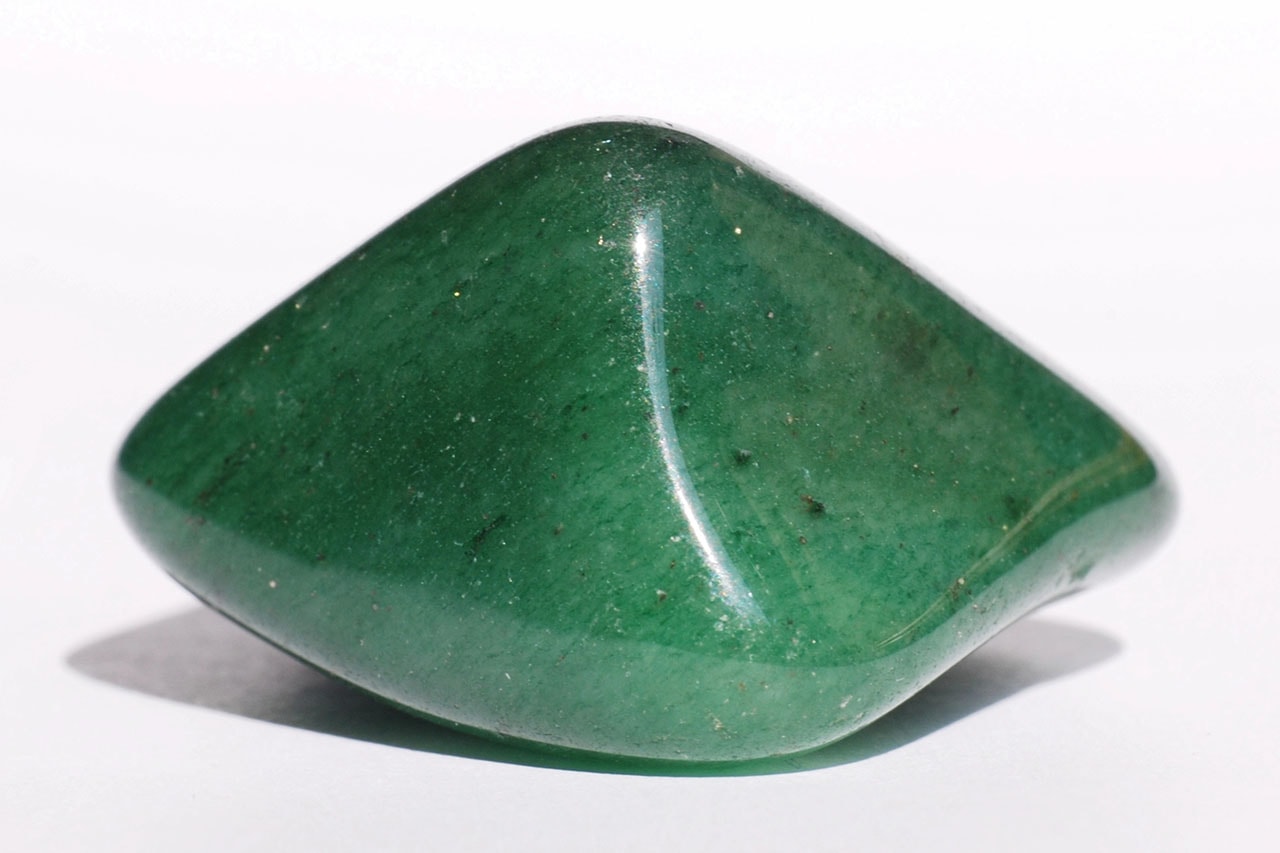
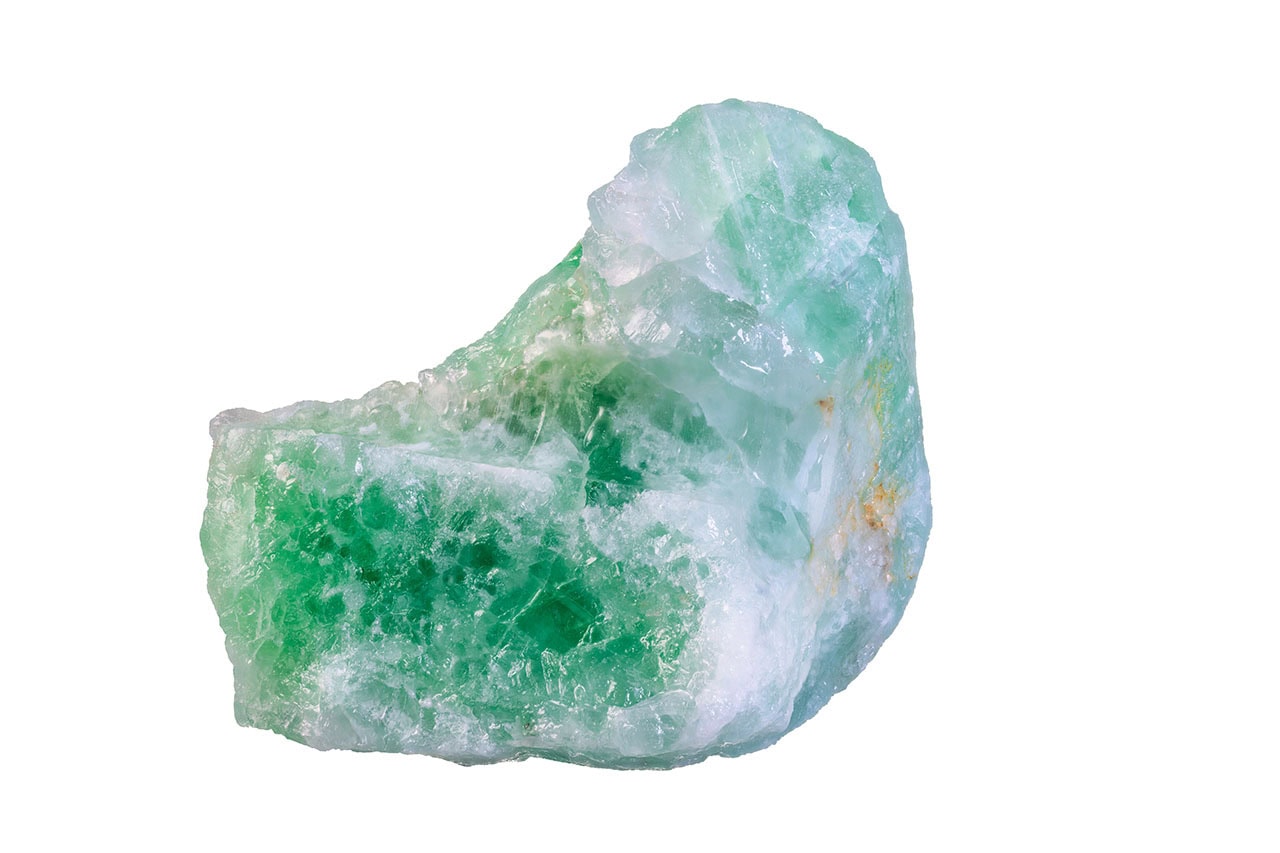
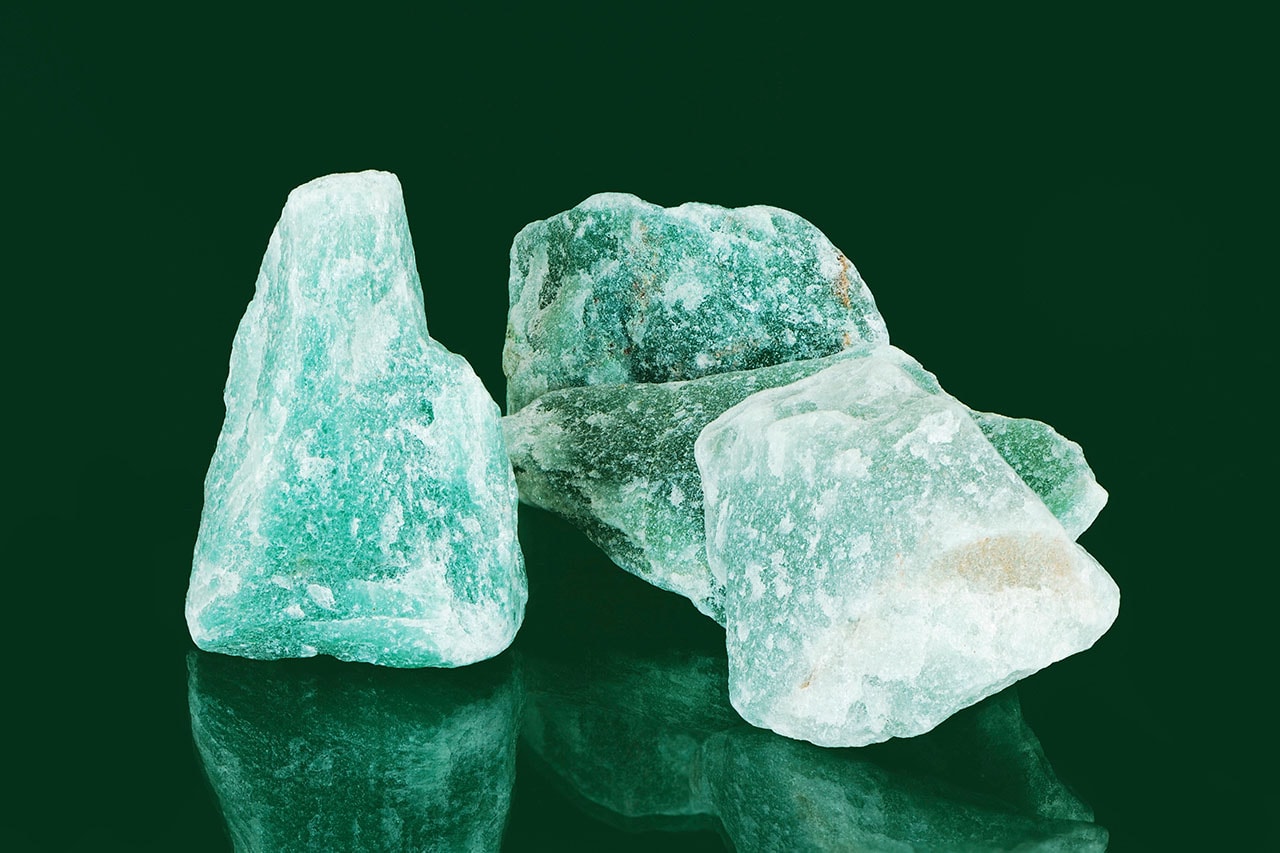
TABLE OF CONTENTS
Properties & Qualities
Physical Properties
Aventurine presents itself through a distinctive combination of translucency and internal sparkle that sets it apart from all other quartz varieties. The defining characteristic is aventurescence—a shimmering, metallic effect created by light reflecting off tiny mineral inclusions distributed throughout the stone. The intensity of this optical phenomenon ranges from weak to intense, depending entirely on the density and size of the metallic inclusions within each specimen.
The most common and recognizable color is green, caused by trace elements of fuchsite—a chromium-rich variety of muscovite mica—in otherwise colorless quartz. Some specimens contain so much fuchsite that they technically qualify as a rock rather than a mineral, though most gemologists still classify aventurine as quartz, treating the fuchsite as an inclusion. The green ranges from light, almost minty tones to deep forest shades, and most specimens appear slightly banded with noticeable lighter and darker color zones.
Beyond green, aventurine occurs in several other colors, each created by different inclusions. Specimens with hematite inclusions typically appear red-brown or gold-brown, while those containing goethite tend toward greenish brown. Muscovite mica inclusions produce a silvery green or blue colored sheen. Blue, peach, and yellow varieties exist but rarely occur in gem quality, making them considerably rarer than their green counterparts.
In its rough state, aventurine has a distinctly grainy texture that might not immediately suggest its potential beauty. But when cut and polished, it transforms, displaying an attractive soft vitreous luster that complements its internal sparkle. The clarity ranges from slightly translucent to opaque, with opaque specimens usually resulting from over-abundant fuchsite inclusions that block light transmission.
Aventurine shares quartz's excellent durability. Its hardness of 7 on the Mohs scale makes it resistant to scratching by most common materials, while its lack of cleavage and conchoidal fracture pattern give it structural integrity that ancient toolmakers recognized millions of years ago. These properties make it equally suitable for jewelry that endures daily wear and for ornamental carvings that maintain their beauty over decades.
Metaphysical properties
Within metaphysical traditions, aventurine has earned widespread recognition as a stone of luck, with green aventurine considered the most powerful variety for this purpose. Its sparkling aventurescence has been interpreted as visible evidence of the stone's ability to attract positive opportunities and favorable outcomes.
The stone's primary chakra associations are with the sixth and seventh chakras—the brow (third eye) and crown chakras—creating connections to both intuition and higher consciousness. This dual resonance allegedly helps users make decisions guided by both inner wisdom and divine connection, rather than purely rational calculation.
Aventurine is thought to stimulate dreams and have a positive effect on psychic ability. Practitioners describe its energy as opening channels of perception that are normally dormant, allowing glimpses of possibility and potential that the conscious mind might overlook. This dream-enhancing quality has made it popular for placement near the bed or under pillows.
The stone's connection to the heart runs deeper than its green color might suggest. Aventurine is specifically described as helping one make decisions from the heart, stimulating creative inspiration and giving its wearer the courage to live authentically among others. This heart-centered decision-making quality distinguishes it from stones that enhance purely intellectual clarity.
Contemporary energy workers often note aventurine's remarkable versatility as both a comforter and a balancer. Its energy is described as simultaneously soothing and stimulating—calming anxiety while promoting positive outlook, easing strong emotions while encouraging creative expression. This paradoxical quality makes it valuable for those navigating complex emotional landscapes.
The stone's planetary association with Mercury adds another dimension to its metaphysical profile. Mercury governs communication, commerce, and quick thinking, aligning with aventurine's reputation for attracting luck in business and social situations. It is a stone of Cancer and is also popular for those born under the signs of Taurus and Sagittarius.
Meaning & Symbolism
Physical meaning
In physical symbolism, aventurine represents the principle of fortunate transformation—how chance encounters, unexpected events, and apparent accidents can lead to beautiful outcomes. Its very name, derived from "by chance," encodes this philosophy into the stone's identity.
The mineral's formation process, where ordinary quartz becomes extraordinary through the random inclusion of mica and other minerals, mirrors the human experience of being shaped by unexpected influences. Just as fuchsite transforms colorless quartz into vibrant green aventurine, life's unplanned encounters often create our most defining characteristics.
Its ancient use as a tool-making material connects aventurine to practical action and physical capability. The same properties that made it ideal for primitive tools—hardness, workability, and reliability—symbolize the importance of combining strength with adaptability in physical pursuits.
The stone's association with well-being extends to physical vitality. Many users report feeling more energetically balanced when carrying aventurine, as if the stone helps regulate the body's energy expenditure, preventing both depletion and excess. This regulatory quality has made it popular among those seeking sustainable physical energy rather than quick bursts.
Aventurine's durability despite its inclusive nature carries powerful symbolism. A stone that incorporates foreign materials into its structure without losing integrity represents the body's ability to integrate diverse experiences and influences while maintaining core health and function.
Spiritual meaning
Aventurine's spiritual significance centers on its role as a catalyst for heart-centered living and spiritual optimism. Many practitioners view it as teaching the spiritual lesson that the universe is fundamentally benevolent—that luck isn't random but rather the natural result of aligning with positive spiritual currents.
The stone's aventurescence—those countless tiny points of light within—has been interpreted as representing the spark of divinity within all matter. Each glittering inclusion becomes a metaphor for the sacred embedded in the ordinary, teaching that spiritual illumination doesn't require extraordinary circumstances but can be found in everyday experience.
Pure green aventurine is said to hold the strongest spiritual healing energy, capable of calming a troubled spirit and bringing about inner peace. This peace isn't described as passive withdrawal but rather as active serenity—the kind of spiritual calm that comes from deep trust in life's unfolding.
In contemporary spiritual practice, aventurine addresses what many teachers identify as "spiritual pessimism"—the loss of faith in positive outcomes that can accompany difficult life experiences. Its energy allegedly helps rebuild trust in spiritual guidance and divine timing, reminding the soul that even apparent setbacks can lead to unexpected blessings.
The stone's connection to both the brow and crown chakras suggests its role in bridging intuitive knowing with cosmic consciousness. This bridge allows spiritual insights to flow from higher dimensions into practical awareness, making aventurine valuable for those seeking to apply spiritual wisdom in daily life.
Healing Benefits
Physical healing
Traditional healing applications of aventurine should be understood as energetic and folk practices rather than medical treatments. Crystal healers have long valued aventurine for its perceived ability to support physical wellbeing, particularly in areas related to the heart and respiratory system.
Aventurine is thought to be an ideal stone for treating heart and respiratory disorders according to traditional crystal healing practices. Practitioners might place green aventurine on the chest during healing sessions, claiming its energy supports healthy cardiac function and clear breathing. While no scientific evidence validates these uses, the tradition persists across multiple healing modalities.
The stone is also believed to help improve vision in folk healing traditions. Some practitioners place aventurine near the eyes during meditation or healing sessions, claiming it supports eye health and visual acuity. This association may connect to the stone's relationship with the brow chakra and its symbolic connection to clear sight, both physical and intuitive.
Aventurine is thought to facilitate psychotherapy according to metaphysical traditions. This unusual claim suggests the stone helps create conditions conducive to psychological healing—perhaps by promoting the emotional safety and openness necessary for therapeutic breakthroughs.
Contemporary energy healers sometimes use aventurine in layouts designed to support overall vitality and immune function. Its association with wellbeing and positive outlook may indirectly support physical health through stress reduction and emotional balance, though these effects remain in the realm of complementary practice.
Emotional healing
Aventurine's reputation in emotional healing centers on its remarkable ability to promote feelings of well-being and give its wearer a positive outlook on life. Users consistently report that working with aventurine creates a shift in emotional atmosphere—from heavy to light, from anxious to calm, from pessimistic to hopeful.
The stone allegedly excels at easing anxiety and strong emotion. Rather than suppressing difficult feelings, aventurine reportedly creates enough emotional space to process them without being overwhelmed. This quality makes it particularly valuable during periods of high stress or emotional turbulence, when maintaining perspective feels most challenging.
For those struggling with creative blocks or fear of self-expression, aventurine stimulates creative inspiration and provides the courage to live authentically among others. Many artists, writers, and performers report that aventurine helps dissolve the self-consciousness that inhibits creative flow, replacing it with confident expression.
The mineral's role as both comforter and supporter makes it uniquely versatile in emotional healing work. It doesn't just soothe—it actively encourages growth and positive change. This dual function means aventurine can be used during acute emotional distress for immediate comfort and during stable periods for ongoing emotional development.
Aventurine symbolizes tranquility, patience, and creativity—three qualities that together create a foundation for emotional resilience. Tranquility provides the calm center from which to observe emotions, patience allows the time needed for genuine healing, and creativity offers new ways of understanding and expressing emotional experience.
Spiritual healing
In spiritual healing contexts, aventurine addresses what practitioners identify as "luck wounds"—the spiritual damage caused by repeated disappointments that erode faith in positive outcomes. These wounds can manifest as chronic pessimism, inability to recognize opportunities, or unconscious self-sabotage that prevents good fortune from landing.
Energy healers often use green aventurine for calming a troubled spirit and bringing about inner peace at the deepest spiritual level. This isn't merely emotional calm but what practitioners describe as "soul peace"—the profound acceptance and trust that comes from knowing one is held by benevolent forces.
The stone's balancing properties extend to spiritual healing, where it helps equilibrate overactive and underactive spiritual centers. Those who are spiritually hyperactive—constantly seeking, never resting—find aventurine helps them settle into present-moment awareness. Those who are spiritually dormant find it gently awakens curiosity and openness.
For ancestral healing work, aventurine is sometimes used to address inherited patterns of pessimism or learned helplessness. Practitioners describe it as helping break generational cycles of expecting the worst, replacing them with openness to positive possibilities.
Some healers specialize in using aventurine for what they call "chance healing"—creating conditions where synchronicities and meaningful coincidences become more frequent. The stone's very name, meaning "by chance," allegedly helps align one's energy field with the flow of fortunate events.
Use & Care
How to use
- Luck talisman:Carry tumbled green aventurine in pocket or purse to attract fortunate opportunities throughout the day.
- Heart chakra placement:Place on chest during meditation or healing sessions to open heart-centered awareness and promote inner peace.
- Jewelry wearing:Wear as pendants, bracelets, or rings for continuous positive energy and emotional balance. Aventurine's hardness of 7 makes it ideal for daily wear jewelry.
- Dream enhancement:Place under pillow or on nightstand to stimulate meaningful dreams and enhance psychic impressions during sleep.
- Workspace placement:Keep on desk to promote creative inspiration and positive outlook during work.
- Meditation focus:Hold during meditation to calm anxiety and access heart-centered decision making.
- Beaded jewelry:String into necklaces or bracelets—aventurine is ideal for beaded and stranded jewelry designs.
- Ornamental display:Use carved figurines, bookends, or animal cameos in living spaces to maintain positive ambient energy.
- Creative catalyst:Keep nearby during artistic work to stimulate inspiration and dissolve creative blocks.
- Cabochon rings:Wear aventurine cabochon rings for continuous contact with skin and sustained energetic support.
How to cleanse
- Warm soapy water:Clean with warm soapy water and a soft cloth or brush—the recommended physical cleaning method for aventurine.
- Moonlight bathing:Leave under full moon overnight for gentle energetic cleansing that preserves the stone's positive energy.
- Smudging:Pass through sage or palo santo smoke for quick energetic clearing between uses.
- Sound cleansing:Use singing bowls or bells for vibrational clearing that resonates with aventurine's crystalline structure.
- Breath work:Hold while doing conscious breathing, imagining each exhale carrying away accumulated energies.
- Selenite contact:Rest on selenite overnight for thorough but gentle energetic cleansing.
- Visualization:Imagine green light flowing through the stone, restoring its natural sparkle and positive energy.
- Avoid extreme heat:Prolonged exposure to extreme heat may cause damage to aventurine gemstones.
- Avoid harsh chemicals:The use of harsh household chemicals should be avoided when caring for aventurine.
How to charge
- Sunlight activation:Place in morning sunlight for 15-30 minutes to activate positive energy and aventurescence.
- Earth charging:Place directly on soil or grass to reconnect with earth element and nature energy.
- Crystal cluster:Rest on clear quartz or amethyst cluster to amplify natural frequency.
- Intention programming:Hold while clearly stating intentions for luck, creativity, or emotional healing.
- Nature charging:Place among living plants or in garden to charge with growth and vitality energy.
- Heart chakra meditation:Charge during heart-focused meditation by visualizing green light filling the stone.
- Mercury timing:Some practitioners charge during Mercury-favorable astrological periods to enhance mercurial properties.
- Group charging:Charge in circles focused on abundance, creativity, or healing for collective energy boost.
- Sound activation:Use heart chakra singing bowls or tuning forks to charge with specific frequency.
Combining with other stones
- Rose Quartz:Enhances heart healing properties, combining aventurine's courage with rose quartz's unconditional love for deep emotional work.
- Citrine:Creates powerful luck and abundance combination, merging aventurine's fortune-attracting properties with citrine's manifestation energy.
- Clear Quartz:Amplifies aventurine's positive properties and helps broadcast its lucky energy more widely.
- Amethyst:Balances aventurine's heart energy with spiritual awareness for intuitive decision-making.
- Black Tourmaline:Provides grounding protection while maintaining aventurine's positive outlook and openness.
- Carnelian:Adds creative fire and motivation to aventurine's inspiration, excellent for artistic projects.
- Amazonite:Combines two green stones for powerful heart and throat chakra work, enhancing both feeling and expression.
- Tiger's Eye:Enhances practical luck and business acumen alongside aventurine's general fortune.
- Lepidolite:Adds calming stability to aventurine's positive energy for those dealing with anxiety.
Identification
Can be mistaken for
- Jade (Nephrite/Jadeite):Often confused due to similar green color—aventurine is sometimes misleadingly called "Indian jade." Jade is typically tougher and denser with different luster.
- Malachite:Similar green appearance but malachite is much softer and shows distinctive banding patterns not found in aventurine.
- Amazonite:Blue-green feldspar that can resemble aventurine but lacks aventurescence and has different crystal structure.
- Aventurine Feldspar (Sunstone):Shares the aventurescence effect but occurs in orange to red colors with higher transparency. Now commonly referred to as "sunstone" to distinguish it from aventurine quartz.
- Goldstone:Artificial Italian glass created to imitate aventurine—the most common imitation. Shows copper sparkles rather than mica inclusions.
- Chrysoprase:Green chalcedony that can look similar but lacks the metallic sparkle of aventurescence.
- Variscite:Green phosphate mineral that may appear similar but is softer and lacks aventurine's sparkle.
- Chalcedony:Can show similar translucency but lacks the distinctive metallic inclusions that define aventurine.
How to spot a fake
- Aventurescence check:Real aventurine shows natural, irregular sparkle from mica inclusions. Too-uniform or too-bright sparkle suggests goldstone or other imitation.
- Goldstone comparison:Goldstone (the most common fake) shows copper-colored metallic flecks that are more uniform and intense than natural aventurine's subtler mica sparkle.
- Hardness test:Real aventurine scratches glass (7 Mohs). Softer materials like malachite or variscite won't.
- Color banding:Natural aventurine typically appears slightly banded with lighter and darker color zones. Perfectly uniform color may indicate synthetic material.
- Inclusion inspection:Under magnification, natural aventurine shows irregular mica platelets. Goldstone shows uniform metallic particles.
- Temperature feel:Natural aventurine feels cool initially and warms slowly. Glass imitations warm more quickly.
- Price evaluation:Very cheap "aventurine" in unusual colors or perfect quality may be glass or dyed material.
- Weight assessment:Should feel consistent with quartz density (2.64-2.69). Significantly different weight suggests other material.
- Texture examination:Natural aventurine in rough state appears grainy. Smooth, glassy rough material suggests imitation.
- Source verification:Purchase from reputable dealers who can specify origin and distinguish natural aventurine from goldstone or treated materials.