
Chrysoberyl
Oxide
Yellow, green, yellowish-green, brownish, color-change (alexandrite variety)
Vitreous
8.5
3.5-3.84
Orthorhombic
Sri Lanka, Brazil, Russia, Madagascar, Tanzania, Myanmar
Uncommon; fine specimens and special varieties rare to extremely rare
BeAl₂O₄ (Beryllium aluminum oxide)
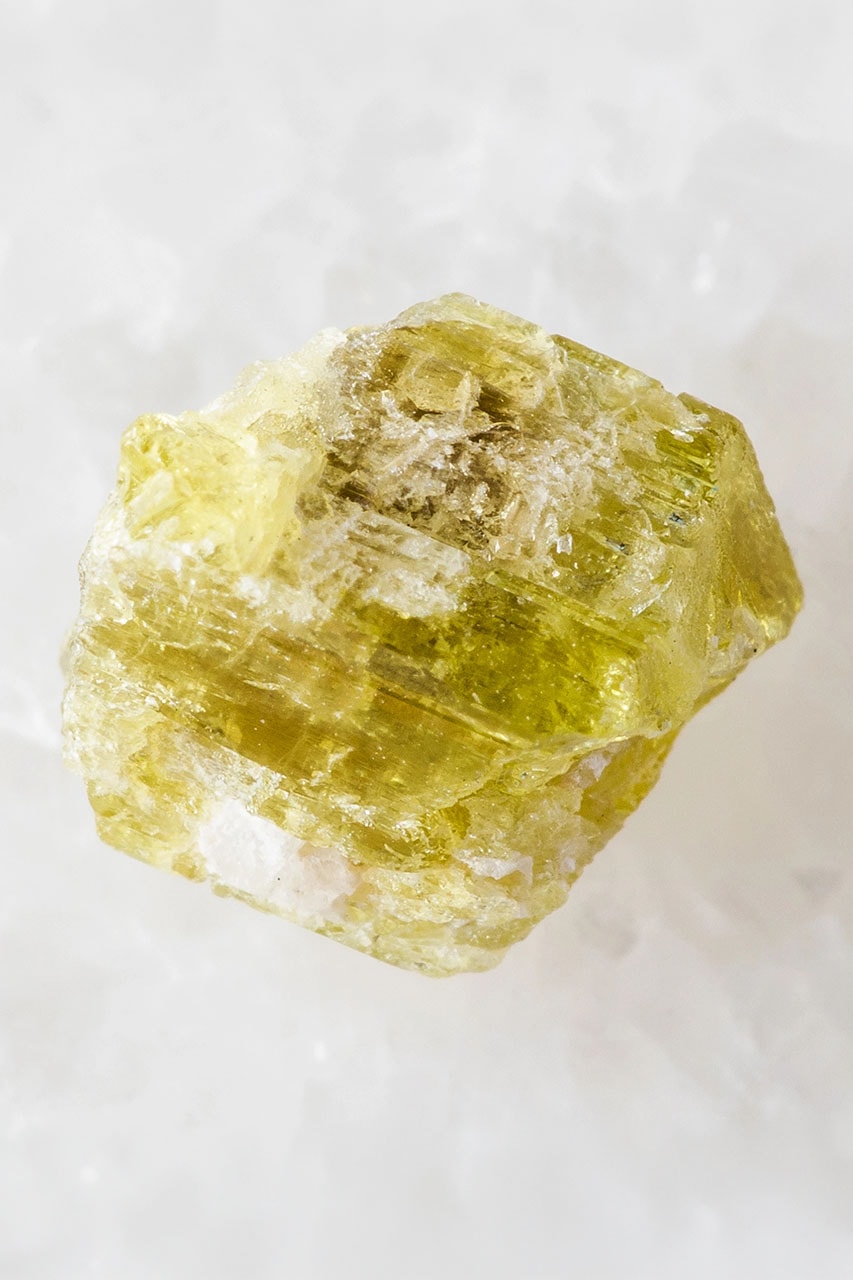
Chrysoberyl stands as one of the gemstone world's most distinguished yet underappreciated treasures. As the third-hardest frequently encountered natural gemstone, lying at 8.5 on the Mohs scale of mineral hardness—positioned between corundum (9) and topaz—chrysoberyl combines exceptional durability with remarkable optical phenomena that have captivated gem connoisseurs for centuries.
The name chrysoberyl derives from the Greek words "chrysos" (golden) and "beryllos" (beryl), though despite its name, chrysoberyl is not a member of the beryl family. This naming confusion stems from its golden coloration and the historical tendency to group similar-appearing gems together before modern mineralogy clarified their distinct chemical compositions. Chrysoberyl is actually a beryllium aluminum oxide, fundamentally different from true beryls like emerald and aquamarine.
What elevates chrysoberyl beyond mere durability is its capacity for two of the gem world's most prized optical phenomena. The first is chatoyancy—the cat's eye effect—exhibited by an opalescent variety that displays a bluish (or yellowish according to some sources) chatoyancy caused by microscopic tube-like cavities or needle inclusions that reflect light in a single concentrated band. The second is the dramatic color change displayed by alexandrite, perhaps the most famous chrysoberyl variety, which appears green in daylight and red under incandescent light.
From the legendary gem-bearing gravels of Sri Lanka, which have produced exceptional chrysoberyl for thousands of years, to the alexandrite deposits of Russia's Ural Mountains where the color-change variety was first discovered, chrysoberyl continues to command respect among serious collectors and metaphysical practitioners alike. Its exceptional hardness and stunning brilliance make it both a practical choice for jewelry and a powerful tool in energy work.
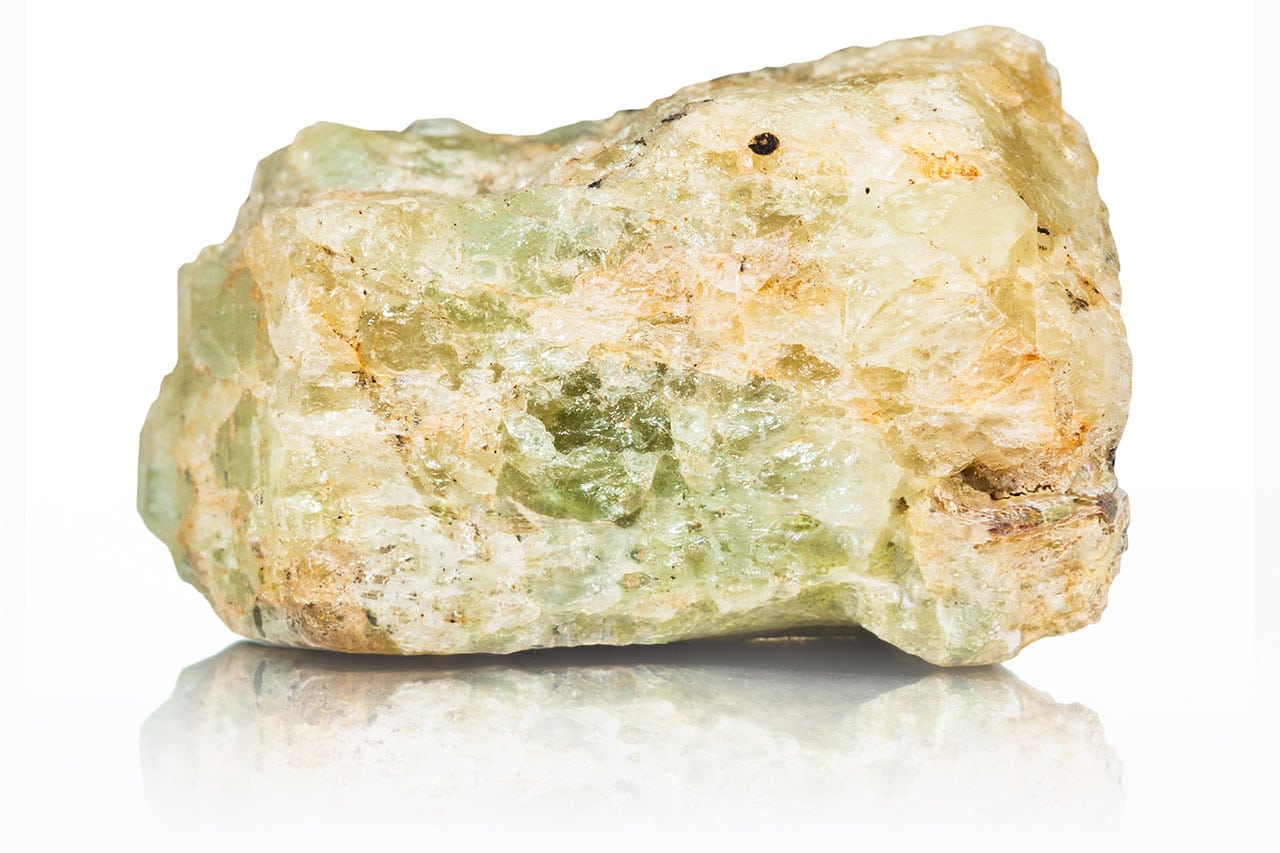
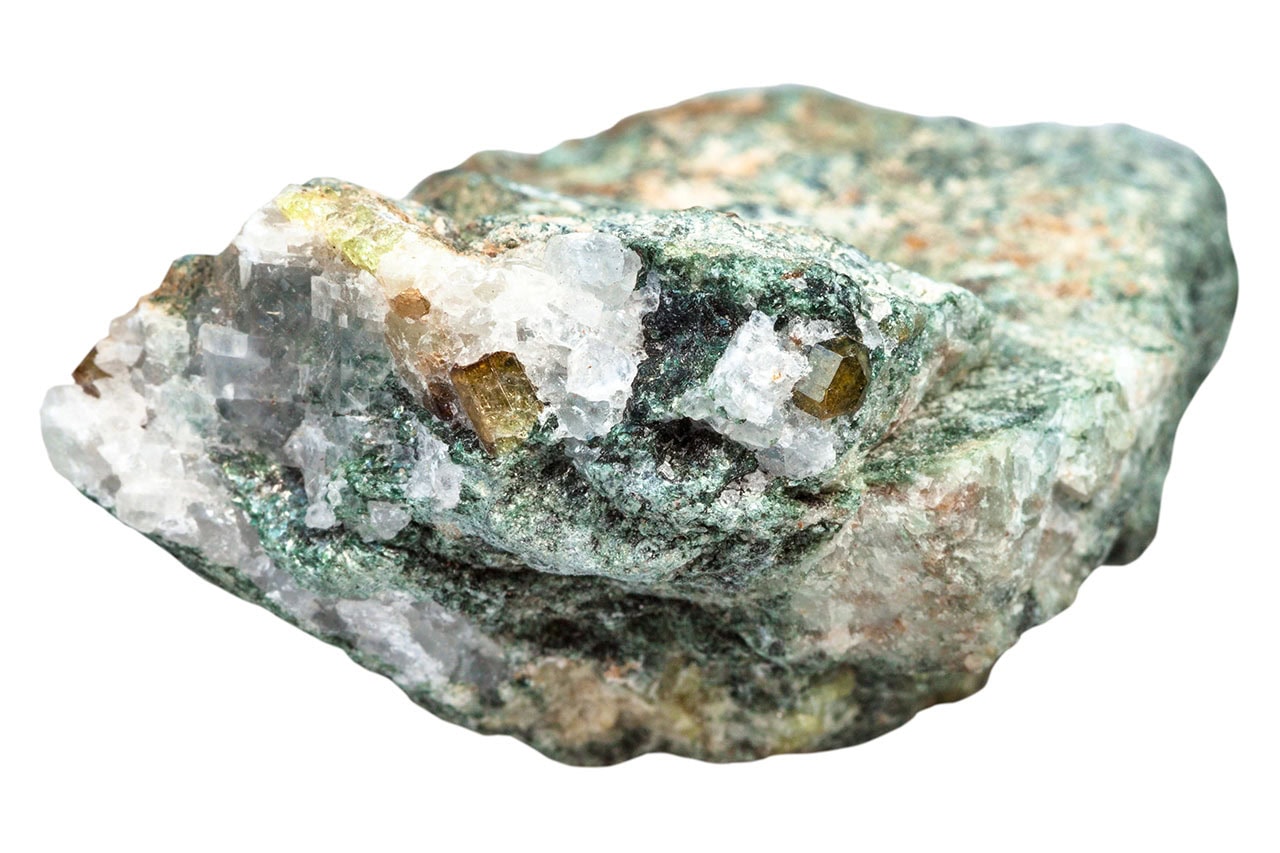
TABLE OF CONTENTS
Properties & Qualities
Physical Properties
Chrysoberyl presents itself through a combination of exceptional hardness and brilliant luster that immediately distinguishes it from softer, more common gemstones. As the third-hardest naturally occurring gemstone commonly encountered, its position at 8.5 on the Mohs scale means it resists scratching from virtually all everyday materials, surpassed only by corundum (sapphire and ruby) and diamond among frequently used gems.
The color range of ordinary chrysoberyl spans from golden yellow to greenish-yellow to brownish tones, with the finest specimens showing a vivid, almost neon yellow-green that seems to glow with internal fire. This coloration results from trace amounts of iron within the crystal structure. The transparency ranges from completely transparent in gem-quality material to translucent in specimens displaying chatoyancy.
The cat's eye variety, properly called cymophane, represents one of chrysoberyl's most spectacular expressions. This opalescent variety exhibits a distinctive chatoyancy—a bluish or yellowish band of light that appears to glide across the stone's surface as it's turned. This effect is caused by microscopic tube-like cavities or needle-like inclusions arranged in parallel formation, which reflect light in a concentrated band perpendicular to their orientation. When cut as a cabochon, these inclusions create the appearance of a cat's slit eye, hence the name.
Alexandrite, the color-change variety, demonstrates one of nature's most remarkable optical tricks. This rare form appears green or bluish-green in daylight or fluorescent light but transforms to red, purplish-red, or raspberry tones under incandescent light or candlelight. This dramatic shift, sometimes called the "alexandrite effect," results from the unusual way the crystal absorbs and transmits different wavelengths of light, combined with trace amounts of chromium.
Chrysoberyl crystallizes in the orthorhombic system, often forming distinctive twinned crystals that create pseudo-hexagonal shapes resembling six-pointed stars or wheels. These cyclic twins, called trillings, are characteristic of the mineral and prized by collectors. The mineral's high refractive index contributes to its exceptional brilliance, allowing well-cut stones to display impressive fire and luster.
Metaphysical properties
Within metaphysical traditions, chrysoberyl has earned recognition as a stone of discipline and self-control, often called a stone that brings the qualities of clear thinking and renewed optimism. Its exceptional hardness translates energetically into associations with strength, protection, and the ability to maintain one's center despite external pressures.
The stone's primary resonance occurs with the solar plexus and crown chakras, creating what practitioners describe as a connection between personal power and higher wisdom. This dual activation allegedly helps users align their individual will with divine purpose, ensuring that personal ambitions serve higher spiritual goals.
The cat's eye variety carries particularly potent protective associations across multiple cultures. The chatoyant band has long been viewed as an all-seeing eye that watches over the wearer, deflecting negative energy and providing warning of danger. In many traditions, cat's eye chrysoberyl is considered one of the most powerful protective talismans available, particularly against the "evil eye" and psychic attack.
Alexandrite's color-change properties have created associations with balance and the reconciliation of opposites. Its ability to shift between green and red is interpreted as representing the integration of the heart (green) and passion or will (red), making it valuable for those seeking to balance love with personal power, or compassion with assertiveness.
Contemporary energy workers often note chrysoberyl's ability to enhance personal discipline and concentration. Its energy is described as supporting sustained effort toward goals, helping users maintain focus and follow through on commitments. This makes it popular among those working toward long-term objectives requiring persistence and self-discipline.
Meaning & Symbolism
Physical meaning
In physical symbolism, chrysoberyl represents the principle of refined strength—durability achieved through proper crystalline structure rather than mere mass. Its position as one of the hardest gemstones symbolizes the resilience that comes from internal organization and integrity rather than external defense.
The mineral's golden coloration connects it to vitality and life force, particularly the kind of sustained energy needed for long-term physical endeavors. Unlike stones associated with sudden bursts of energy, chrysoberyl symbolizes the steady, disciplined vitality that supports consistent physical performance over time.
The cat's eye effect carries physical symbolism related to focused vision and clear perception. Just as the chatoyant band concentrates light into a single bright line, chrysoberyl allegedly helps focus physical energy and attention where they're most needed, supporting efficiency and effectiveness in physical pursuits.
Athletes and those engaged in demanding physical disciplines sometimes work with chrysoberyl for what they describe as "disciplined endurance"—the ability to maintain performance through sustained effort. The stone's combination of hardness and brilliance symbolizes maintaining one's shine even under pressure.
Spiritual meaning
Chrysoberyl's spiritual significance centers on its role as a stone of spiritual discipline and the alignment of personal will with divine purpose. Many practitioners view it as teaching that true spiritual power comes through self-mastery rather than the acquisition of external abilities.
The stone's golden color connects it to solar consciousness and enlightened awareness. In various traditions, golden gems represent spiritual illumination—the inner light of awakened consciousness. Working with chrysoberyl allegedly helps cultivate this inner radiance through disciplined spiritual practice.
The cat's eye variety holds special spiritual significance as a symbol of spiritual vision and protection. The all-seeing eye represented by the chatoyant band is interpreted as the awakened spiritual sight that perceives beyond physical appearances to underlying truths. This makes cat's eye chrysoberyl valuable for developing intuition and spiritual discernment.
Alexandrite's dramatic color change carries profound spiritual meaning related to transformation and the dual nature of reality. Its shift between green and red symbolizes the spiritual journey between different states of consciousness, teaching that reality appears differently depending on the light of awareness we bring to it.
In contemporary spiritual practice, chrysoberyl addresses what teachers identify as "spiritual scattered-ness"—the tendency to pursue many spiritual paths superficially rather than mastering one deeply. Its disciplined energy allegedly helps practitioners commit to sustained spiritual practice that yields genuine transformation.
Healing Benefits
Physical healing
Traditional healing applications of chrysoberyl should be understood as energetic and folk practices rather than medical treatments. Crystal healers have valued chrysoberyl for various physical concerns, often focusing on its connection to the solar plexus and its associations with vitality and strength.
The stone is traditionally associated with supporting liver and gallbladder function, possibly connected to its golden-yellow coloration and the solar plexus chakra it resonates with. Practitioners might place chrysoberyl on the upper abdomen during healing sessions aimed at supporting these organs, though such applications remain in the realm of energy medicine.
Cat's eye chrysoberyl has historical associations with eye health and vision, naturally linked to its eye-like appearance. Some traditional practitioners used it in folk remedies for eye conditions, and contemporary energy healers sometimes place it near the eyes during meditation, claiming it supports visual health and clarity of sight.
The mineral's association with discipline and self-control has led to its use in supporting recovery from addictive patterns. Some practitioners claim chrysoberyl helps strengthen willpower and self-discipline, potentially supporting those working to overcome harmful habits or behaviors.
Contemporary energy healers sometimes use chrysoberyl in layouts designed to boost overall vitality and physical energy. Its golden coloration and solar associations make it popular for addressing fatigue and supporting sustained physical energy, though these effects remain anecdotal.
Emotional healing
Chrysoberyl's reputation in emotional healing centers on its ability to bring clarity and renewed optimism to difficult emotional situations. Users often report that working with chrysoberyl helps them see their circumstances more clearly and approach challenges with restored hope and confidence.
The stone allegedly excels at supporting emotional discipline—not the suppression of feelings, but the mature management of emotional responses. Many practitioners describe chrysoberyl as helping them respond to emotional triggers thoughtfully rather than reactively, supporting emotional maturity and stability.
For those struggling with lack of confidence or self-doubt, chrysoberyl reportedly provides energetic support for building genuine self-assurance. Its association with personal power and discipline allegedly helps users develop confidence based on competence and self-mastery rather than external validation.
The cat's eye variety is particularly valued for emotional protection. Its watchful energy allegedly helps users maintain emotional boundaries, protecting against the absorption of others' negative emotions. This makes it popular among empaths and highly sensitive people who struggle with emotional overwhelm.
Alexandrite's transformative nature makes it valuable for those navigating major emotional transitions. Its color-change properties symbolize the ability to adapt to changing emotional landscapes while maintaining core stability, helping users embrace necessary changes without losing themselves.
Spiritual healing
In spiritual healing contexts, chrysoberyl addresses what practitioners identify as "spiritual undiscipline"—the inability to maintain consistent spiritual practice or follow through on spiritual commitments. Its disciplined energy allegedly helps establish and maintain regular spiritual practices that support genuine growth.
Energy healers often use cat's eye chrysoberyl for psychic protection and the clearing of negative energetic attachments. The all-seeing eye represented by its chatoyancy allegedly identifies and deflects harmful energies, providing a protective shield during vulnerable spiritual work.
The mineral's connection between solar plexus and crown chakras makes it valuable for what some describe as "aligning will with spirit." This alignment allegedly helps ensure that spiritual development serves the soul's higher purpose rather than ego gratification or spiritual materialism.
For those experiencing spiritual confusion or scattered energy, chrysoberyl reportedly helps focus and concentrate spiritual energy. Just as the cat's eye effect concentrates light, the stone allegedly helps gather diffuse spiritual energy into coherent, directed power for transformation.
Some healers specifically use alexandrite for integration work, helping practitioners reconcile seemingly opposing spiritual concepts or experiences. Its ability to be both green and red, depending on the light, teaches that apparent contradictions often represent different aspects of unified truth.
Use & Care
How to use
- Discipline talisman:Carry chrysoberyl to support self-discipline and follow-through on important commitments and goals.
- Solar plexus activation:Place on the upper abdomen during meditation to strengthen personal power and willpower.
- Protective amulet:Wear cat's eye chrysoberyl as a pendant or ring for protection against negative energy and psychic attack.
- Jewelry wearing:Wear as rings, pendants, or earrings—chrysoberyl's 8.5 hardness makes it excellent for daily-wear jewelry that resists scratching.
- Focus enhancement:Keep on desk or workspace to support concentration and sustained mental effort.
- Meditation focus:Hold during meditation to align personal will with higher purpose and enhance spiritual discipline.
- Transformation work:Use alexandrite during periods of major life transition to support adaptive change while maintaining stability.
- Vision quest:Use cat's eye chrysoberyl to develop intuition and spiritual sight during contemplative practice.
- Confidence building:Carry or wear when facing situations requiring self-assurance and personal authority.
- Goal manifestation:Place near vision boards or goal-related materials to support disciplined achievement.
How to cleanse
- Running water:Hold under cool running water—chrysoberyl's exceptional hardness and stability make this safe.
- Moonlight bathing:Leave under full moon overnight for gentle energetic cleansing.
- Sunlight charging:Chrysoberyl can handle sunlight well due to its stability, making sun cleansing effective.
- Smudging:Pass through sage or palo santo smoke for quick energetic clearing.
- Sound cleansing:Use singing bowls or bells for vibrational clearing.
- Crystal cluster:Rest on clear quartz or amethyst cluster for passive cleansing.
- Breath work:Hold while doing conscious breathing, imagining light clearing accumulated energies.
- Earth burial:Bury briefly in soil for deep cleansing and grounding (chrysoberyl's hardness protects it).
- Visualization:Imagine golden light flowing through the stone, clearing all energetic debris.
How to charge
- Sunlight activation:Place in sunlight to activate golden, solar energy—chrysoberyl handles sun exposure well.
- Solar plexus meditation:Charge during solar plexus-focused meditation by visualizing golden light filling the stone.
- Intention programming:Hold while clearly stating intentions for discipline, focus, or protection.
- Crystal cluster:Place on quartz cluster to amplify and recharge natural frequency.
- Goal-setting ritual:Charge while setting specific goals to align stone with disciplined achievement.
- Sound activation:Use solar plexus frequencies to charge with personal power energy.
- Midday charging:Charge at noon when solar energy is strongest for maximum vitality activation.
- Color-change observation (alexandrite):Charge by observing color change in different lights, honoring its transformative nature.
- Group charging:Charge in circles focused on achievement, discipline, or protection.
Combining with other stones
- Citrine:Enhances chrysoberyl's solar plexus activation for powerful personal power and manifestation work.
- Tiger's Eye:Combines protective properties and grounds chrysoberyl's energy for practical achievement.
- Clear Quartz:Amplifies chrysoberyl's disciplined energy and helps direct it toward specific goals.
- Pyrite:Adds abundance and willpower to chrysoberyl's discipline for material success.
- Black Tourmaline:Pairs with cat's eye for enhanced protection against negative energy.
- Amethyst:Balances chrysoberyl's solar plexus focus with crown chakra spiritual awareness.
- Carnelian:Adds motivation and creative fire to chrysoberyl's disciplined achievement energy.
- Sunstone:Doubles solar energy for maximum vitality, confidence, and personal power.
- Labradorite:Enhances the protective and intuitive properties of cat's eye chrysoberyl.
Identification
Can be mistaken for
- Beryl (Heliodor/Golden Beryl):Similar golden color and confusing name, but beryl is a silicate with different crystal structure and lower hardness.
- Yellow Sapphire:Can appear similar but corundum is harder (9 Mohs) and has different crystal system.
- Citrine:Yellow quartz that may resemble chrysoberyl but is much softer (7 Mohs) and less brilliant.
- Yellow Topaz:Similar coloration but topaz has perfect cleavage and slightly lower hardness (8 Mohs).
- Tourmaline:Yellow-green varieties can look similar but tourmaline has different crystal structure and properties.
- Peridot:Yellowish-green peridot may resemble chrysoberyl but is softer with different optical properties.
- Synthetic Alexandrite:Lab-grown color-change material often sold as natural alexandrite—much more common and affordable.
- Color-change Garnet:Can mimic alexandrite's color change but has different crystal structure and properties.
How to spot a fake
- Hardness verification:Real chrysoberyl is exceptionally hard (8.5 Mohs)—it scratches glass and most other gems easily, while softer imitations cannot.
- Synthetic alexandrite alert:Natural alexandrite is extremely rare and expensive; affordable "alexandrite" is almost always synthetic or simulant.
- Color-change quality:Genuine alexandrite shows distinct green-to-red change; synthetics often show blue-to-purple, which differs from natural.
- Cat's eye sharpness:Natural cat's eye shows a sharp, well-defined chatoyant band; fake or glass imitations show fuzzy or doubled bands.
- Price reality:Fine natural chrysoberyl, especially alexandrite and cat's eye, commands high prices—suspiciously cheap stones warrant scrutiny.
- Inclusion inspection:Natural chrysoberyl shows characteristic inclusions; perfect clarity throughout may indicate synthetic origin.
- Refractive index testing:Chrysoberyl has a specific refractive index that gemologists can verify with proper equipment.
- Specific gravity:Should fall within 3.5-3.84 range; significantly different density suggests imitation.
- Certification requirement:For valuable specimens, especially alexandrite, insist on certification from a reputable gemological laboratory.
- Source verification: Purchase from reputable dealers who can specify origin (Sri Lanka, Brazil, Russia) and distinguish