
Sapphire
Oxide (Corundum family)
Blue, pink, yellow, orange, green, purple, colorless, black
Vitreous to adamantine
9
3.98 - 4.10
Trigonal
Kashmir, Myanmar, Sri Lanka, Thailand, Australia, Montana USA
Common to extremely rare (depending on quality and color)
Al₂O₃ (Aluminum oxide)
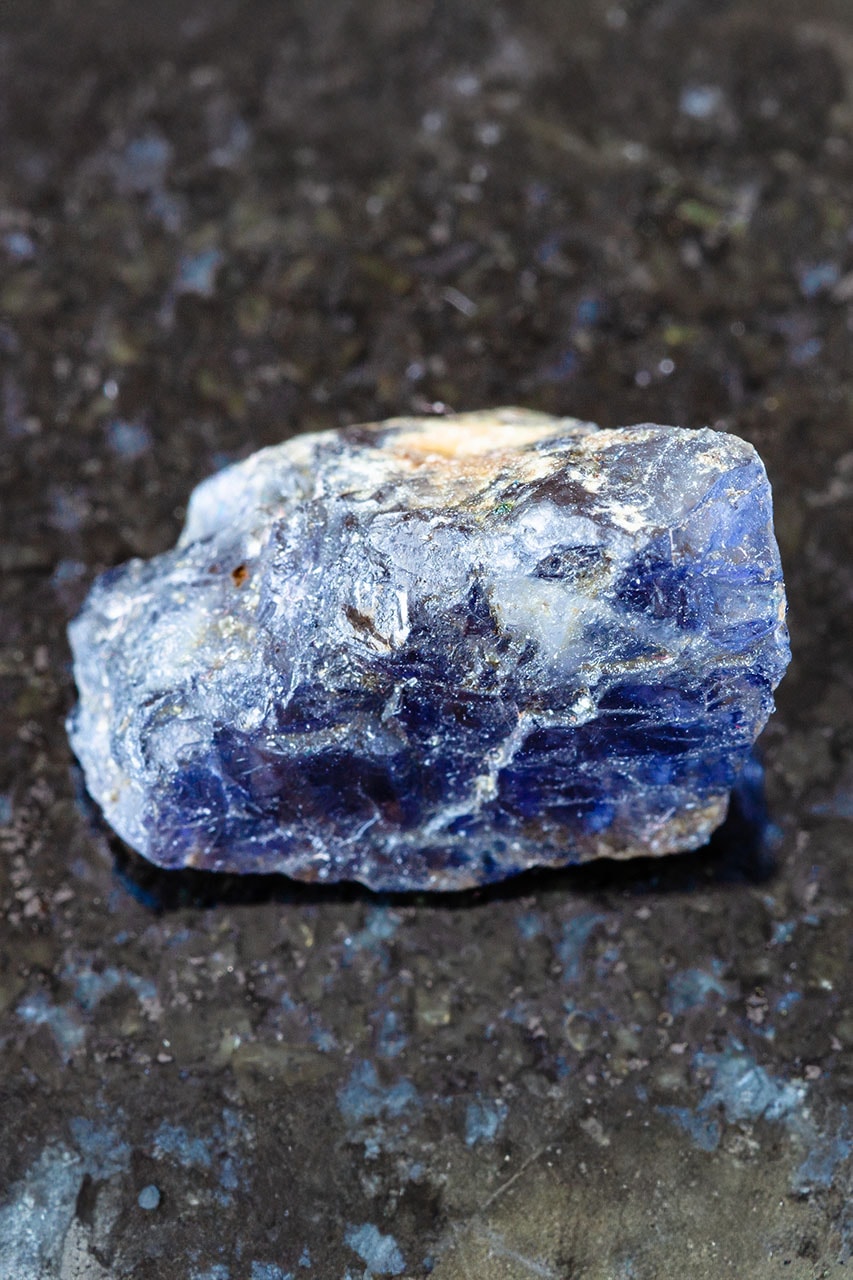
High in the Himalaya of Kashmir, where a landslide exposed sapphires of extraordinary blue in the 1880s, miners found stones that seemed to hold the sky itself—fitting for a gem that, in Persian legend, gave the heavens their color. This aluminum oxide mineral—second only to diamond in hardness—has commanded devotion from saints and sovereigns alike, adorning the crowns of emperors and, in tradition, the breastplates of high priests who believed it connected them directly to divine wisdom.
The name derives from the Greek "sappheiros," a word that in ancient times most likely meant lapis lazuli. While blue remains the classic color, sapphire spans the entire spectrum except red (which becomes ruby), each hue carrying distinct energetic signatures. From the legendary Star of India with its perfect asterism to the color-changing sapphires of Sri Lanka, this corundum variety continues to mesmerize with its depth, durability, and mystical properties.
Today, from the alluvial deposits of Ceylon to the volcanic fields of Australia, sapphire maintains its position as one of the four precious gemstones. Yet beyond its monetary value lies a deeper treasure—its reputation as the "Stone of Sacred Wisdom," prized by mystics and meditation masters for its ability to quiet the mind, open the third eye, and create a direct channel to higher consciousness.
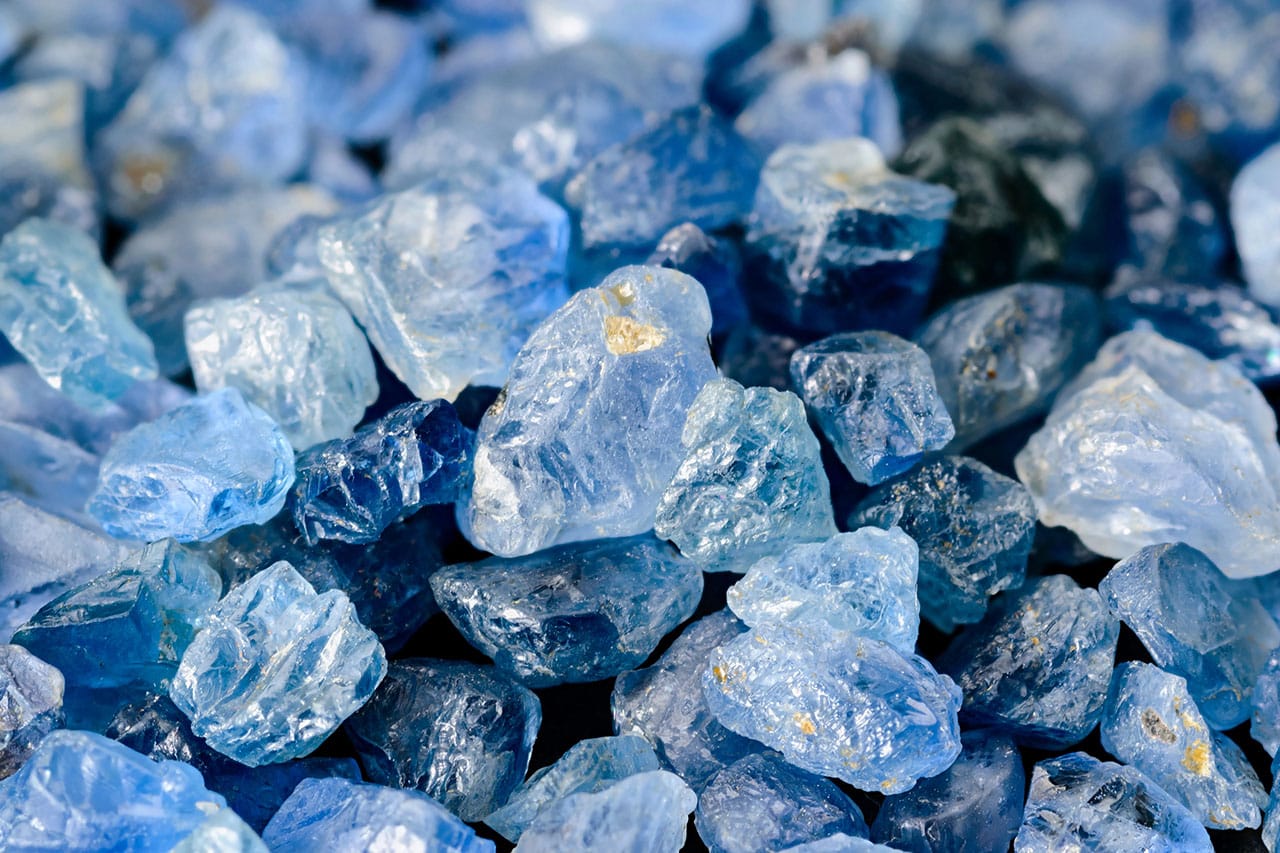
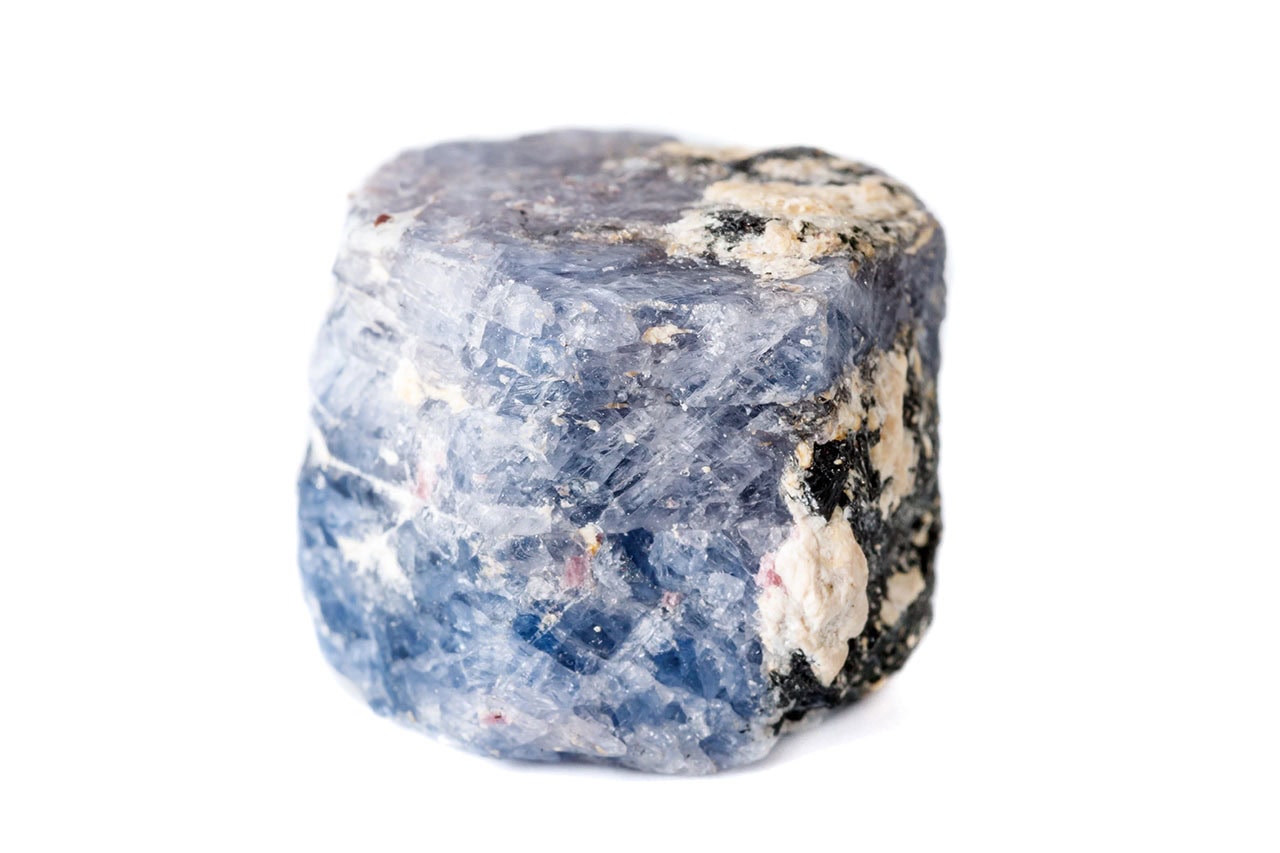
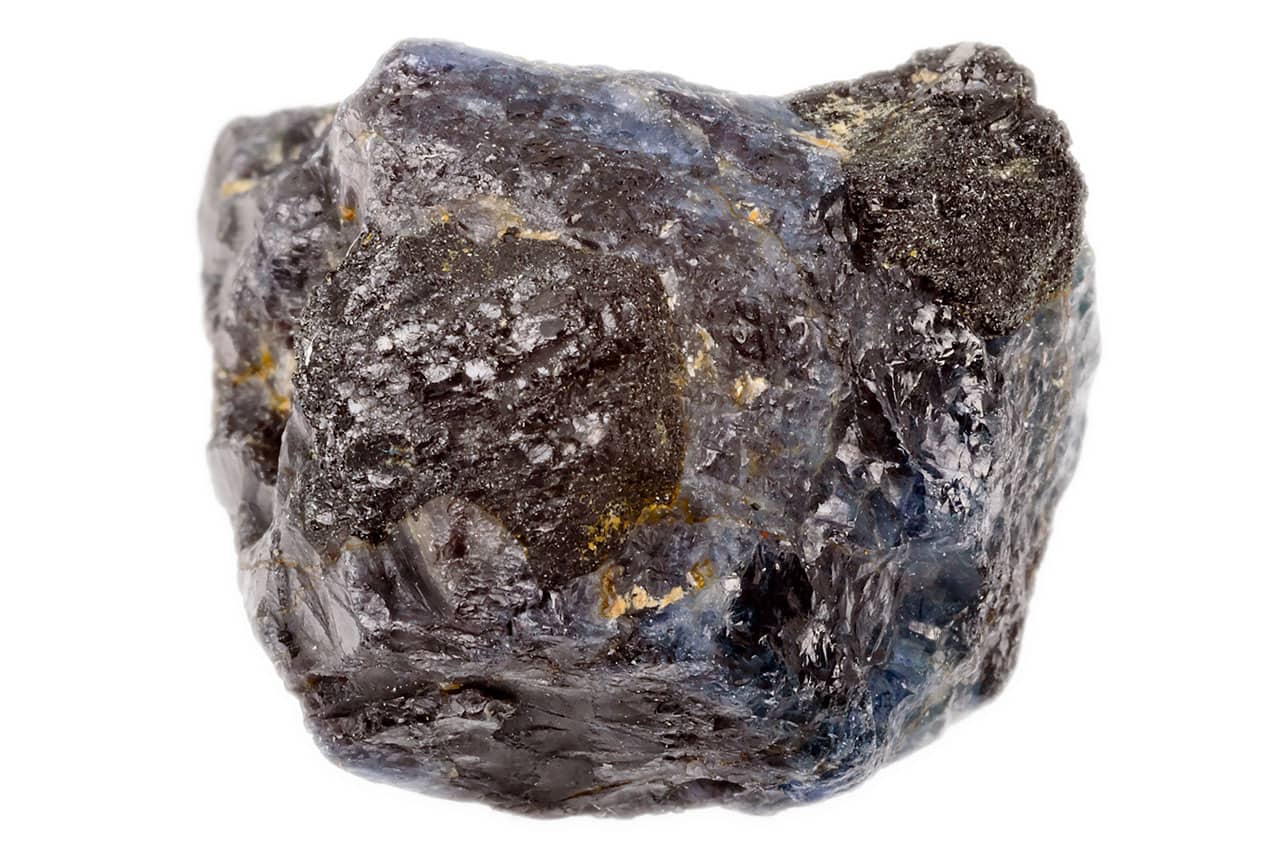
TABLE OF CONTENTS
Properties & Qualities
Physical Properties
Sapphire reveals itself through extraordinary optical properties that seem designed to capture and concentrate celestial light. The finest blue sapphires display what gemologists call "silk"—microscopic rutile needles that create a velvety appearance and, when properly oriented, produce the six-rayed star effect known as asterism. This star appears to float above the stone's surface, following the viewer's movement like a cosmic eye.
The mineral's exceptional hardness makes it nearly impossible to scratch except with diamond or synthetic materials. This durability extends to its chemical resistance—sapphire remains unaffected by acids and maintains its polish for centuries. Ancient sapphires in museum collections gleam as brilliantly today as when they adorned long-fallen dynasties.
Color in sapphire results from trace elements replacing aluminum in the crystal lattice. Iron and titanium create the classic blue, chromium produces pink, iron alone yields yellow, while various combinations create the rare padparadscha—a delicate pink-orange reminiscent of lotus blossoms. Some sapphires exhibit color change, appearing blue in daylight but purple under incandescent light.
Crystal formation typically produces hexagonal prisms terminated by pyramids or flat pinacoids. Growth patterns often create color zoning visible as angular bands following crystal structure. This zoning, along with characteristic inclusions like "fingerprints" (healed fractures) and silk, helps distinguish natural from synthetic stones. The highest grade sapphires combine intense color with transparency, creating depths that seem to pull viewers into infinite blue space.
Metaphysical properties
Within metaphysical traditions, sapphire occupies an exalted position as the "Gem of Heaven," its blue varieties specifically resonating with the third eye and throat chakras to create a bridge between inner vision and expressed wisdom. Practitioners describe its energy as simultaneously calming and elevating—quieting mental chatter while opening channels to higher consciousness.
The stone's legendary connection to divine favor extends across cultures. Some Jewish legends describe the tablets given to Moses as cut from sappir, a word often linked to sapphire (though it probably meant lapis lazuli), and blue gems appear among the precious substances of Buddhist lore. Practitioners explain this long favor through what energy workers call "spiritual coherence"—staying energetically clear regardless of surrounding influences.
Different colors carry specialized properties within the sapphire family. Blue enhances spiritual truth and psychic abilities. Yellow sapphire attracts prosperity and wisdom. Pink opens the heart to divine love. Padparadscha combines spiritual and material mastery. Star sapphires, with their moving asterism, are considered the most powerful for protection and destiny work.
Modern practitioners particularly value sapphire for its ability to enhance meditation and spiritual study. Unlike stones that blast open psychic centers, sapphire creates structured channels for receiving higher wisdom, making it ideal for scholars, teachers, and anyone seeking to ground spiritual insights into practical understanding.
Meaning & Symbolism
Physical meaning
In the physical realm, sapphire embodies the principle of strength through purity—its hardness deriving from simple aluminum and oxygen arranged in perfect crystalline order. This teaches that true power comes not from complexity but from clarity of structure and purpose, a lesson particularly relevant for leadership and decision-making.
The stone's historical association with royalty extends beyond mere wealth to represent noble qualities: wisdom in judgment, clarity in communication, and the strength to uphold truth despite opposition. Modern wearers find sapphire supports these same qualities in corporate boardrooms and courtrooms where clear thinking and ethical strength determine success.
For those in intellectual pursuits, sapphire's reputation as the "Stone of Learning" provides powerful support. Its blue color resonates with mental clarity while its durability suggests knowledge that withstands the test of time. This makes it particularly valuable for researchers, writers, and educators whose work requires both inspiration and discipline.
The mineral's formation under extreme heat and pressure deep within the earth symbolizes achievement through perseverance. Just as carbon becomes diamond and aluminum oxide becomes sapphire, human potential crystallizes into achievement through sustained pressure applied with wisdom rather than force.
Spiritual meaning
Sapphire's spiritual significance transcends its beauty to represent the crystallization of divine wisdom into comprehensible form. Mystics describe it as containing the "blueprint of heaven"—the organizational principles by which spiritual energy manifests in physical reality. This makes it invaluable for those seeking to understand and work with universal law.
The stone's traditional use in ecclesiastical rings and ceremonial objects reflects its ability to maintain spiritual authority and connection. Unlike worldly power that corrupts, sapphire's energy is linked with what Buddhists call "right action"—ethical conduct rather than ego-driven desire.
Some modern practitioners see sapphire's blue as the color of infinite space—the void that contains all possibility. This connection to the akasha or spiritual ether makes sapphire valuable for accessing the akashic records and understanding soul purpose across lifetimes. The stone doesn't reveal everything at once but provides information as the seeker becomes ready to integrate it.
Star sapphires hold special significance as destiny stones, their moving star representing the soul's navigation through incarnations. In popular lore, the star’s three crossing bars stand for faith, hope and destiny. Working with star sapphire helps align personal will with soul purpose.
Healing Benefits
Physical healing
Sapphire in crystal healing is a matter of practice and tradition, not medicine. Practitioners use it as a calming, clarifying stone and place blue sapphire at the throat or brow during quiet sessions focused on clear thinking and communication.
Because fine sapphires are valuable, most practitioners work with rough or lower-grade stones, holding one during meditation or resting it on the forehead for a few minutes while breathing slowly.
Sapphire is not a substitute for medical care. If something in your body worries you, see a doctor.
Emotional healing
The emotional healing properties of sapphire center on its ability to bring order to chaos—both in thought patterns and emotional responses. Practitioners describe sapphire as particularly helpful for people whose emotions overwhelm their ability to think clearly or whose overthinking prevents emotional processing.
For those caught in mental fog and unable to see possibilities, sapphire is used as a focus for clearer thinking. Rather than simply lifting mood, it serves as a reminder to notice and question the thought patterns that keep a person stuck. Anyone dealing with persistent low mood deserves real support, and a stone is no replacement for it.
The stone's connection to truth makes it powerful for healing patterns of self-deception or living according to others' expectations. Sapphire doesn't force confrontation but gradually reveals discrepancies between authentic self and performed identity, allowing gentle integration rather than shocking revelation.
Different colors address specific emotional needs: pink sapphire heals wounds around receiving love, yellow builds confidence in personal wisdom, and blue enhances ability to speak one's truth. Star sapphire provides emotional protection during vulnerable healing work, its asterism reminding users they're guided even in darkness.
Spiritual healing
In spiritual healing contexts, sapphire functions as what practitioners call a "consciousness elevator," raising the frequency of the entire energy system while maintaining grounding through its crystalline structure. This makes it invaluable for those experiencing spiritual expansion who need to remain functional in daily life.
Advanced energy workers utilize sapphire for clearing and activating the causal chakra—the energy center above the crown that connects to soul purpose and karmic patterns. Blue sapphire specifically creates a stable channel between the causal chakra and throat chakra, allowing soul wisdom to be expressed clearly in the world.
For those going through spiritual disillusionment, practitioners use sapphire as a focus for reconnecting with a personal sense of the sacred.
The stone's protective qualities in spiritual healing focus on maintaining integrity during psychic opening. Unlike shields that block, sapphire creates what practitioners describe as a "truth filter"—allowing genuine spiritual communication while preventing deception from lower astral entities or ego projections masquerading as guidance.
Use & Care
How to use
- Third eye meditation: Place on forehead during meditation for enhanced insight
- Throat chakra activation: Wear at throat for clear spiritual communication
- Study enhancement: Keep on desk while learning spiritual or academic subjects
- Dream wisdom: Place under pillow for prophetic dreams and guidance
- Protection amulet: Wear continuously for spiritual protection and favor
- Meditation mala: Use sapphire beads for mantra practice
- Altar centerpiece: Place on altar to maintain sacred space integrity
- Wisdom ritual: Hold during prayer or contemplation for divine connection
- Truth speaking: Wear during important conversations requiring honesty
- Akashic access: Gaze into blue sapphire for past life information
- Destiny work: Meditate with star sapphire for soul purpose clarity
- Sacred writing: Keep nearby while channeling or spiritual writing
How to cleanse
- Moonlight bathing: Leave under full moon for gentle cleansing
- Smoke cleansing: Pass through frankincense or sandalwood smoke
- Sound clearing: Use temple bells or high-frequency tuning forks
- Running water: Rinse under cool running water with intention
- Breath work: Breathe divine light into stone for clearing
- Sunlight brief: Short morning sun exposure for activation
- Selenite plate: Rest on selenite for vibrational clearing
- Sacred geometry: Place on Sri Yantra for purification
- Mantra cleansing: Chant Om or other sacred sounds while holding
- Professional cleaning: Ultrasonic cleaning suits most untreated sapphires; avoid it for fracture-filled or heavily included stones
How to charge
- Dawn meditation: Hold during sunrise for wisdom activation
- Temple/Church: Take to sacred spaces for divine charging
- Mountain peaks: Charge at high elevations for celestial connection
- Crystal clusters: Place on clear quartz or amethyst clusters
- Sacred texts: Rest on holy books or wisdom teachings overnight
- Starlight exposure: Leave under clear night sky for cosmic activation
- Singing bowls: Place in bowl while playing for sound charging
- Incense ritual: Charge in sacred incense smoke during ceremony
- Group meditation: Pass among spiritual circle for collective blessing
- Lunar eclipse: Expose during eclipse for transformation energy
Combining with other stones
- Clear Quartz: Amplifies sapphire's wisdom and clarity properties
- Lapis Lazuli: Enhances spiritual communication and ancient wisdom access
- Amethyst: Deepens meditation and spiritual connection
- Moonstone: Balances masculine sapphire energy with feminine intuition
- Diamond: Creates ultimate clarity and spiritual power combination
- Selenite: Maintains high vibration and continuous clearing
- Moldavite: Accelerates spiritual evolution—use with caution
- Phenacite: Opens highest chakras for advanced spiritual work
- Tanzanite: Enhances psychic abilities and interdimensional communication
- Labradorite: Adds magical protection during spiritual expansion
Identification
Can be mistaken for
- Tanzanite: Blue variety similar but tanzanite shows stronger pleochroism
- Iolite: Blue color comparable but iolite much softer and shows different pleochroism
- Kyanite: Blue similar but kyanite has perfect cleavage and variable hardness
- Blue Spinel: Very similar but spinel has different crystal structure
- Synthetic Sapphire: Identical composition but lacks natural inclusions
- Blue Topaz: Similar color but topaz has perfect cleavage
- Glass: Blue glass imitations lack hardness and natural inclusions
How to spot a fake
- Inclusion inspection: Natural sapphires contain silk, fingerprints, or color zoning
- UV fluorescence: Some sapphires fluoresce—pattern differs from synthetics
- Specific gravity: A gem lab can confirm SG 3.98-4.10
- Refractive index: Professional testing shows RI 1.762-1.770
- Color distribution: Natural stones show uneven color, synthetics too perfect
- Price consideration: Fine sapphires expensive—too cheap suggests synthetic or heavily treated
- Certificate requirement: Valuable sapphires should have gemological certification
- Dealer reputation: Buy from established sources with return policies