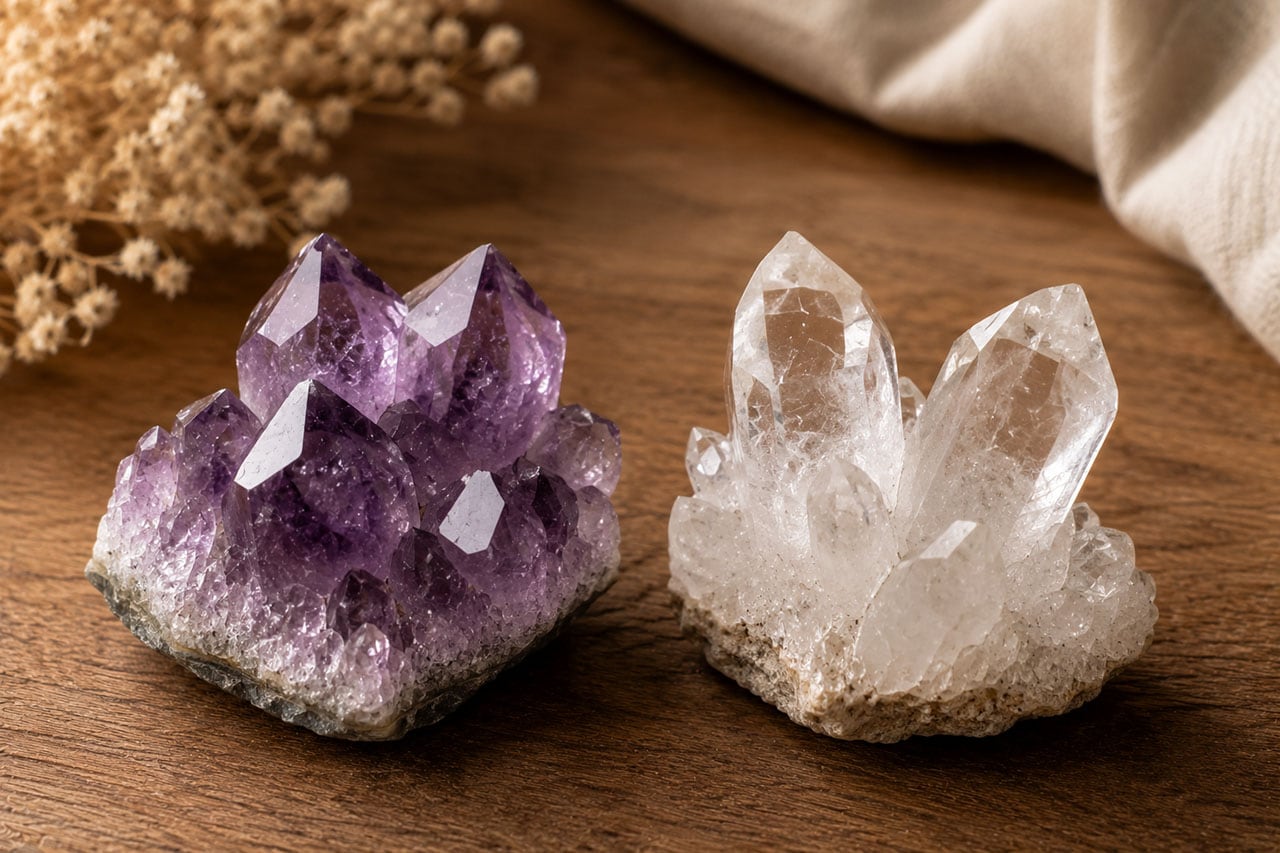
A cluster is good for the same things the stones on it are good for. The harder question is arithmetic. It arrives as a crowd of crystals bought as one object, and the instructions you already follow assume you can count what is in front of you.
Count the points on the cluster nearest you. You will not, and neither will I, and that is what this article is about. A tumble is one stone. A pair of them for a pocket is two, and you knew that at the counter. The cluster came with one price and no number at all, and it has been quietly exempt from your own rules ever since.
Where the counted instructions come from
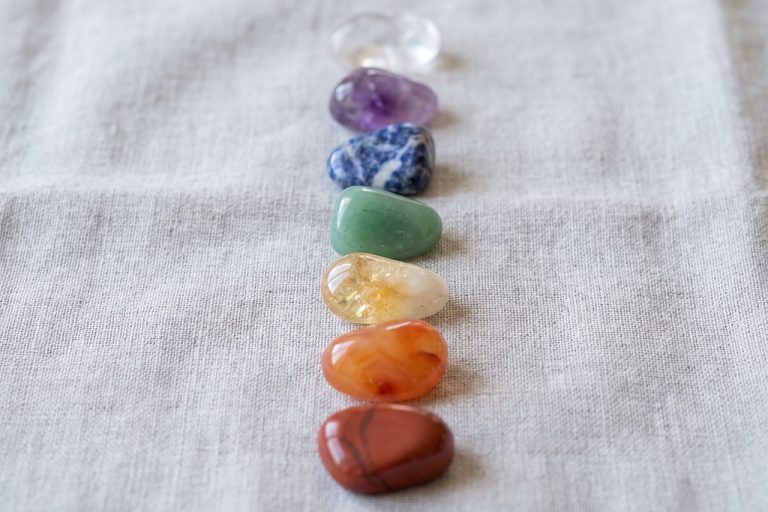
Beginners get told to start with one stone, and the number is the whole of the advice. The rest of crystal practice keeps counting. It suggests putting two stones somewhere you genuinely stop moving instead of scattering nine around the house and losing track of which one you were paying attention to, and it warns against crowding an altar past the point where you can still read the arrangement as an arrangement.
Those are rules about quantity, and the quantity is doing real work. It is what lets you notice anything at all. Introduce one object, then a second a month later, and you have some chance of telling which change belonged to which. Introduce eleven in a fortnight and you have furniture. Nothing has gone wrong, and you have lost the ability to say what any of it did.
None of the counted advice says what to do when a single purchase brings a whole crowd of terminated points into the room at once.
The object that refuses to say
Thousands is as precise as the count ever gets. On 27 October 2021 the Smithsonian unveiled a piece it calls the Berns Quartz, described in the museum’s own announcement as a gigantic cluster of thousands of sparkling crystals: just over two metres tall, weighing more than three and a half tonnes, taken from the Coleman Mine in the Ouachita Mountains of Arkansas in 2016, and among the largest quartz specimens on display in any museum in America. It has one name.
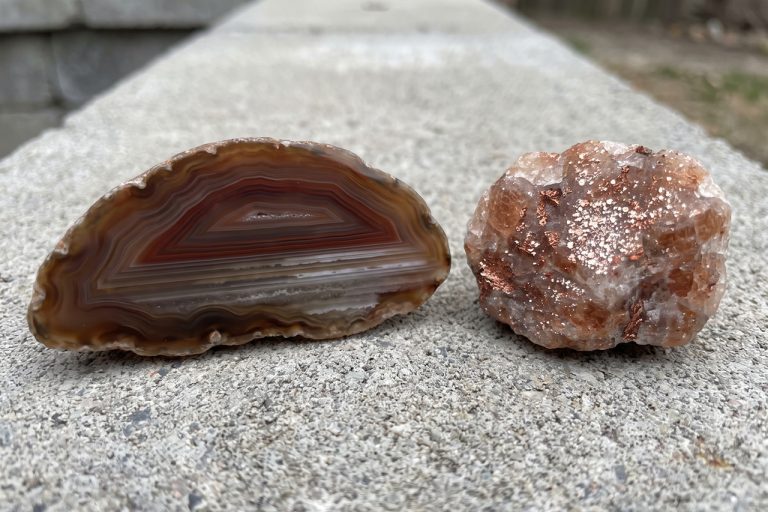
The points on a cluster go uncounted right through, from the mine to your windowsill. The seller does not count them, because clusters are priced by weight and by look. You do not count them, because they are uneven and half of them are hidden behind the ones in front. The label says amethyst cluster, singular, and the price is one price.
Watch how the same object gets described and you can see what that leaves open. A seller writes amethyst cluster and prices it once, then photographs the same piece point by point, because the points are what sells it. Both descriptions are honest and they are counting different things.
The reader ends up doing the same, silently, in whichever direction suits the moment. You bought one thing, because there was one price. You use it as though it were a crowd, because it fills a shelf the way a set would. And because the answer changes depending on which of those you happen to be doing, the cluster stays outside the counted rules by default. It is not exempted, exactly. It is just that nothing in the advice ever makes you say which number it is, so the question stays open and the object keeps whichever answer suits.
If you want to know why it carries a crowd of crystals rather than one, how crystal clusters form takes that apart. That is a question about the rock. What the object counts as in your house is a question about you, and it is yours to answer.
Settling it, either way
You have two answers available, both of them workable, and the choice between them is not a test you can fail. What you can do is leave it open, which is how a collection grows without anybody noticing, and a collection that grew that way stops being something you look at.
Say which one it is out loud on the day the thing comes into the house, and then carry on with whatever you were already doing.
Call it one, and it takes the single slot. It is the stone in that spot, the object you are paying attention to there, and you do not put a tumble beside it for company. If you are following the start-with-one advice, the cluster is your one and the next stone waits. If you are running two placements, the cluster is one of them and something quite different is the other. The Crystalance Mineral Library has whichever species yours turns out to be, and on this reading you look up a single entry.
Call it a crowd, and it is already the arrangement. Whatever you were going to assemble around it has been assembled, so you do not build a second grouping on top or lay four tumbles along its front edge. On this reading the shelf arrived already full, and the work is to leave it that way and let the arrangement you paid for do its job.
Sources
- Smithsonian Institution, “Massive Slab of Quartz Crystals Goes on Public View at Smithsonian”, 2021: si.edu