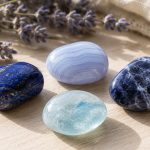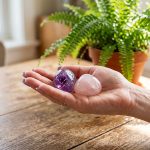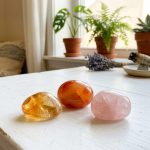
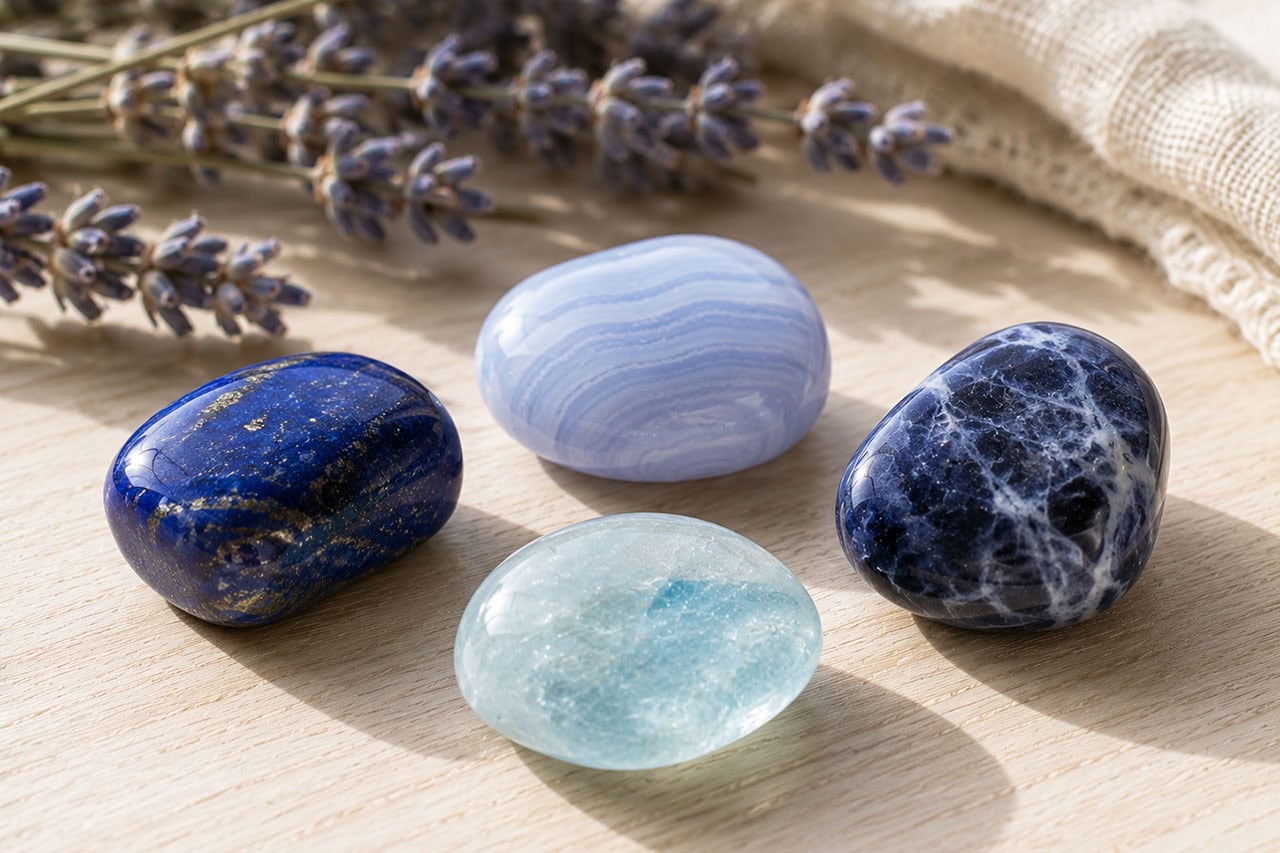
Blue stones symbolize calm, communication, truth, and the throat chakra in modern crystal practice. The colour itself carries the broad lane (water, sky, depth, stillness). Different shades of blue refine the symbolism: pale blue for gentle calm and clear expression, deep blue for wisdom and insight, blue-green for emotional flow and healing. Specific stones within the blue family have their own particular associations layered on top of the general lane.
The “what do blue stones represent?” question shows up in several forms (blue gem, blue rock, blue stone, Blue Stone with capitals) all pointing at the same broad lane. The honest answer needs to cover both the colour-symbolism in general and the specific stones that fall within it. Here is the working version.
The Blue Colour Lane
Blue in modern crystal practice operates across four overlapping threads.
Calm and peace. Blue is universally associated with rest, slowness, and emotional easing across most cultures. The colour symbolism is rooted in water and sky, both of which carry stillness and openness. A blue stone on the altar or in the hand signals the calm lane visually even before the practitioner names the intention.
Communication and truth. Blue is associated with the throat chakra (the energy centre at the throat in modern Western chakra practice, associated with honest expression and clear speech). The colour-correspondence is consistent across the seven-chakra system. Blue stones are commonly used in practices around difficult conversations, public speaking, writing, and other work where expression matters.
Wisdom and insight. Darker blues (deep navy, midnight blue) carry an additional association with insight, intuition, and depth of understanding. The colour reads as the deep ocean or the night sky, both of which are symbolic territories for wisdom across many traditions.
Emotional flow. Blue-green and aqua shades sit between blue (calm) and green (heart and growth), and are associated with emotional movement, healing of relational hurt, and the slow restoration after difficult experiences. The watery quality of these shades supports the flow framing.
These four threads overlap in different combinations depending on the specific shade and stone. A pale blue stone like blue lace agate sits in the calm-and-communication zone. A deep blue stone like lapis lazuli sits in the wisdom-and-insight zone. An aqua stone like larimar sits in the emotional-flow zone. The colour temperature is the strongest predictor of which thread dominates.
Specific Blue Stones
Each of the main blue stones in modern practice carries the general lane plus its own specific associations.
Lapis lazuli. Deep ultramarine blue, often with gold pyrite flecks. Used for wisdom, insight, royal-quality authority, and inner truth. The gold-fleck visual reads as stars in the night sky. Lapis has a long traditional history (ancient Egyptian, Mesopotamian, Persian) of association with kings, priests, and contemplative work. One of the most enduring blue stones in human cultural practice.
Sodalite. Deeper blue, often with white veining. Used for logical clarity, structured thinking, and communication that benefits from precision. The throat-chakra association is strong, particularly for work requiring clear and grounded expression rather than poetic or emotional speech.
Blue lace agate. Pale blue with delicate white banding. Used for gentle calm, soft communication, and emotional easing. The lighter colour makes it well-suited to anxiety-related work and to communication contexts where gentleness matters more than authority. (For more on this specific stone, see the Crystalance Mineral Library.)
Aquamarine. Pale blue-green, transparent to translucent. Used for calm communication, throat-chakra work, and emotional clarity. The sea-name and the watery colour both reinforce the flow association. Aquamarine is also a traditional travel stone, particularly for sea travel, with associations going back to Roman times.
Celestite (celestine). Pale sky-blue cluster crystals. Used for high-vibration calm, angelic communication in some practices, and peaceful sleep. The cluster form is fragile (Mohs 3 to 3.5); the pale blue colour is the defining visual. (See can you sleep with celestite.)
Kyanite. Deep blue with bladed crystal form. Used for alignment, throat-chakra work, and intentional integrity. Kyanite is one of the few stones in modern practice that is said to never need cleansing because it does not hold negative energy in the same way other stones supposedly do; whether you accept this framing or not, kyanite has a particular role in the blue-stone family for this reason.
Larimar. Pale blue with white veining, found only in the Dominican Republic. Used for emotional healing, throat-chakra calming, and gentle communication. The Caribbean-sea visual association is strong, and larimar is sometimes called “the Atlantis stone” in modern crystal practice. Hardness around Mohs 4.5 to 5.
Apatite. Blue (also other colours), used for clarity of expression and connection between the throat and third-eye chakras. Less common than the stones above but gaining popularity in modern practice.
What Does a Blue Gem or Blue Rock Symbolize?
The question gets asked using several different framings (blue gem, blue rock, blue stone, Blue Stone) and the answer is the same. The blue colour itself carries the general lane (calm, communication, truth, throat chakra) and the specific stone refines it.
A few non-crystal-specific blue stones also appear in the question:
Blue Stone (capitalised, as a proper noun). Sometimes refers to bluestone, a generic name for several types of bluish building stones, particularly the Welsh bluestones used at Stonehenge. The Welsh bluestones have specific archaeological and ritual significance in the Stonehenge context but are not commonly used in modern crystal practice.
Blue rock generally. A non-specific term that most often refers to one of the blue crystals above (most commonly lapis lazuli, sodalite, or blue lace agate). The colour-symbolism applies regardless of the specific mineral.
The honest answer to “what does a blue rock symbolize?” is that the question is too generic to answer specifically without knowing which mineral is being asked about. The blue colour carries the broad lane; the specific stone determines which thread within the lane is most strongly invoked.
How to Work With Blue Stones
A few common practices.
For communication work. Hold a blue stone (blue lace agate for gentle speech, sodalite for clear and grounded speech, lapis lazuli for authoritative expression) before difficult conversations or while preparing to write or speak something honest. The throat-chakra association is real within the practice tradition; whether the stone produces any measurable effect on expression is the standard belief-based claim. The attention-anchor mechanism is what does the practical work.
For calm and rest. Place a pale blue stone (celestite, blue lace agate, aquamarine) on the bedside table or hold during meditation. The colour itself supports the calm intention visually.
For depth and insight work. Use a deep blue stone (lapis lazuli, sodalite, kyanite) during contemplative practice or journaling. The colour matches the depth orientation of the work.
For emotional flow. Use a blue-green stone (aquamarine, larimar) during periods of emotional transition or relational healing.
For more on the underlying intention framework, see how to set intentions with crystals. For more on individual blue stones mentioned here, see the Crystalance Mineral Library. The blue family is one of the visually richest and most varied in crystal practice, with enough internal diversity that the practitioner can match a specific shade and stone to a specific intention with real precision. The colour is the broad cue. The specific stone is the refinement. Together they make a practice that works at the visual and intentional level at once.