What “Natural” Actually Means When You Buy Crystals
The word 'natural' hides a lot in the crystal trade: dye, heat, irradiation, even a false name. Here's what it means and what to ask.

The word 'natural' hides a lot in the crystal trade: dye, heat, irradiation, even a false name. Here's what it means and what to ask.
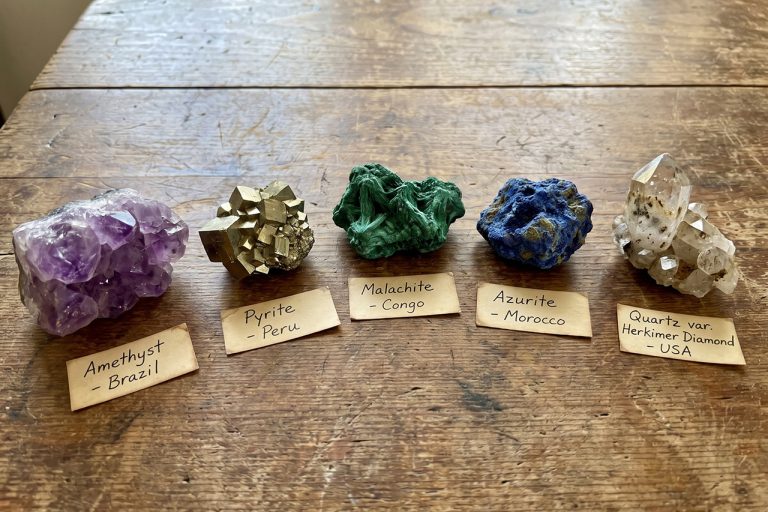
Most 'ethically sourced' crystal labels mean nothing because the supply chain isn't traceable. Here's what actually matters when you buy.
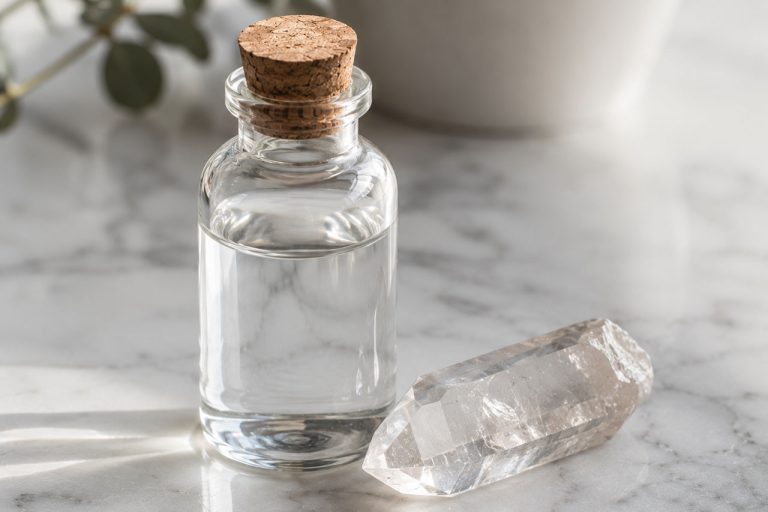
Gem essence is water that has been exposed to a crystal. Here is what is actually in the bottle and which crystals are safe to use.
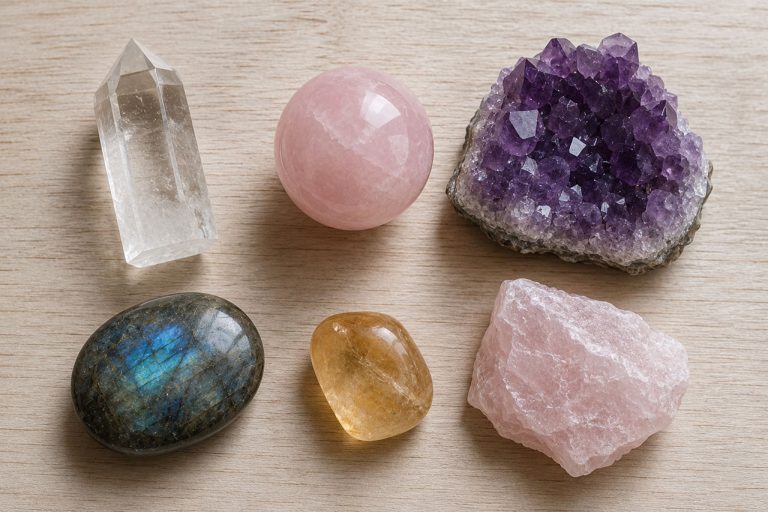
Crystal shapes split into two categories: natural (clusters, points, geodes) and lapidary (spheres, palm stones, towers). Here is what each one is.
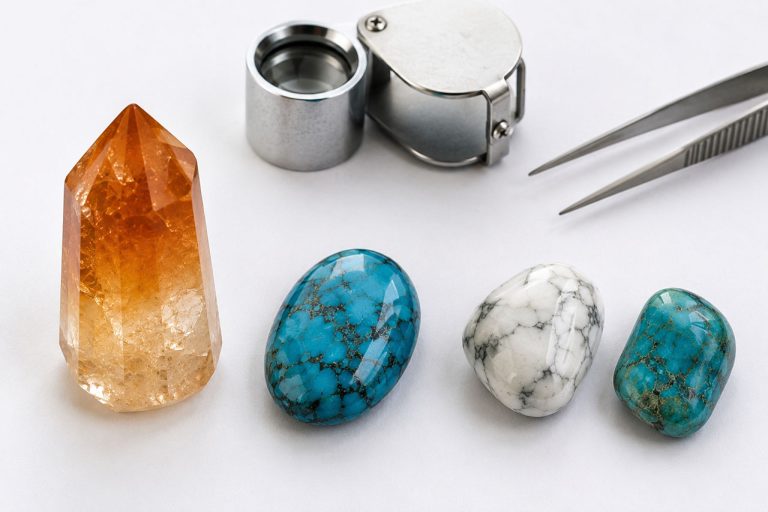
Heat-treated, irradiated, dyed, stabilised. The honest issue with crystal treatments is disclosure, not the treatments themselves. Here is the guide.
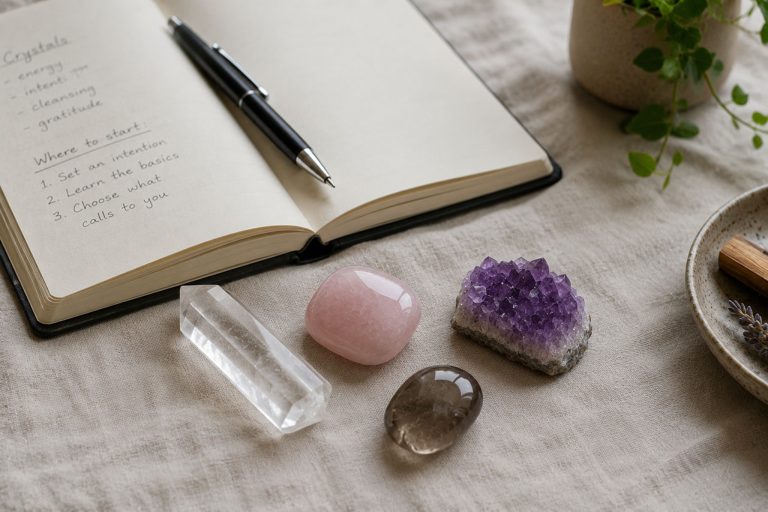
The most useful first move with crystals is learning what they actually are. Here is the honest beginner's guide, starting from the mineralogy.
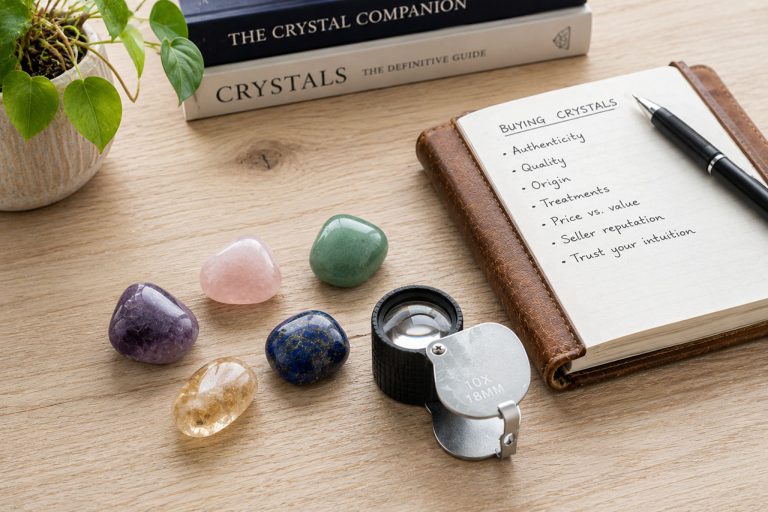
The single question that sorts honest crystal sellers from the rest is: where did this come from? Here is the buyer's guide that comes out of that.
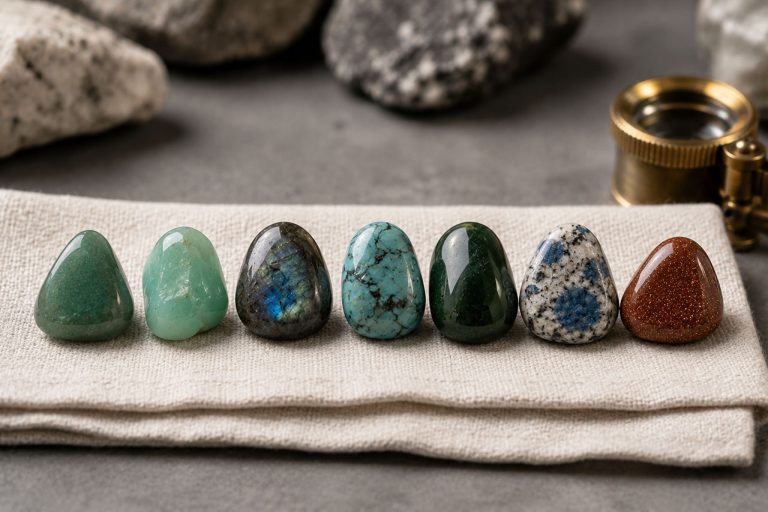
In the strict mineralogical sense, a crystal is a solid with atoms arranged in a regular repeating three-dimensional lattice. Most stones sold as “crystals” satisfy this definition. A few don’t: goldstone is manmade glass, and K2 stone is a rock…
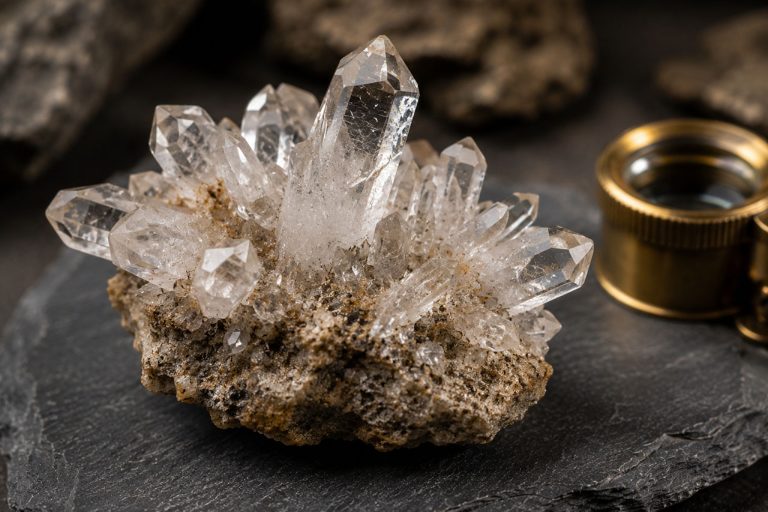
Crystal clusters form when crystals grow side by side from a shared substrate, usually inside a cavity in rock. Mineral-rich fluid deposits crystals on the cavity walls; each crystal shares the same chemistry but grows in its own orientation. Cluster,…
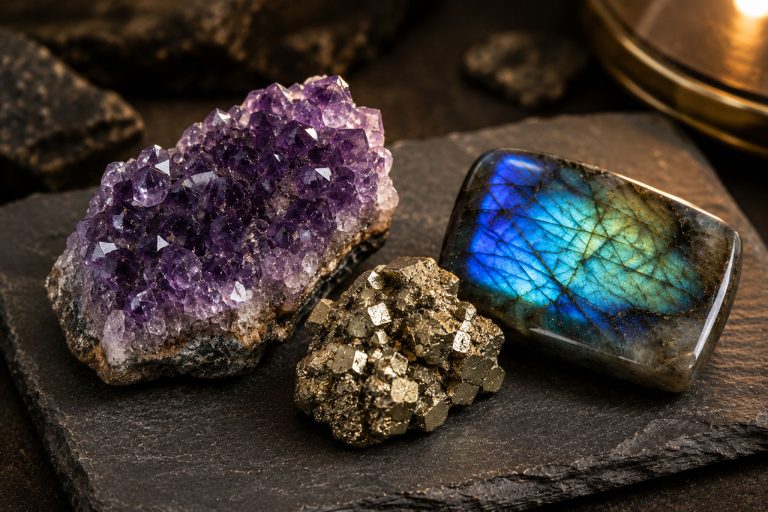
The sparkliest crystals are druzy clusters, pyrite, labradorite, sunstone, rainbow moonstone, aventurine, and faceted clear quartz. Each produces sparkle in a different way, from tiny surface crystals catching the light to internal iron flakes to rainbow colour shifts when the…