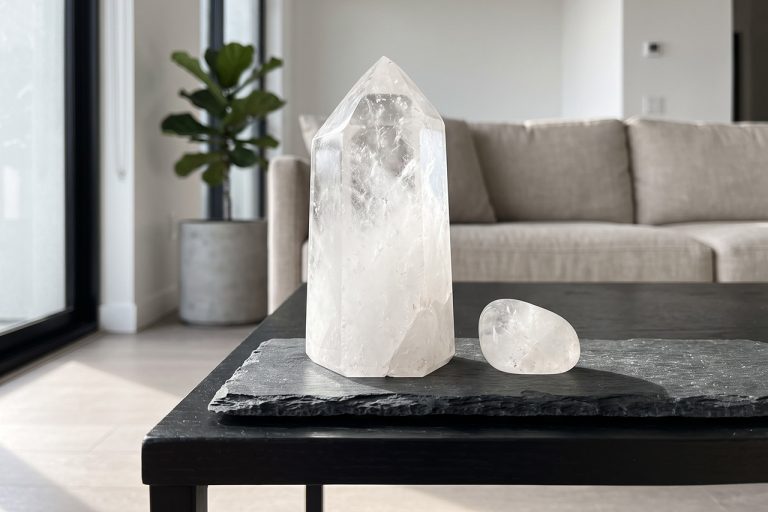
What Is Milky Quartz?
Quartz clouded white by minute fluid inclusions. It is vein material, and it is what the California Mother Lode was dug out of.


Quartz clouded white by minute fluid inclusions. It is vein material, and it is what the California Mother Lode was dug out of.
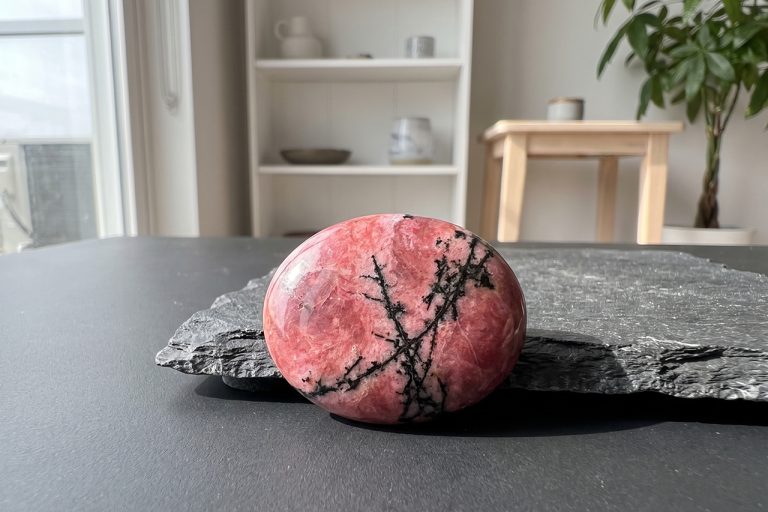
Pink with black veins is the shop answer. The reference literature gives the colour as rose-pink to brownish red, gray, or yellow.
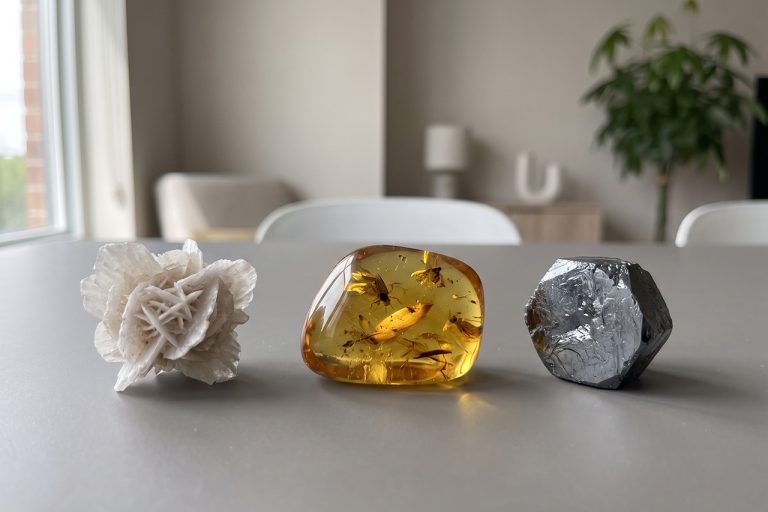
Baryte and graphite have entries in the international mineral list. Amber has never been ruled on, which is not the same as excluded.
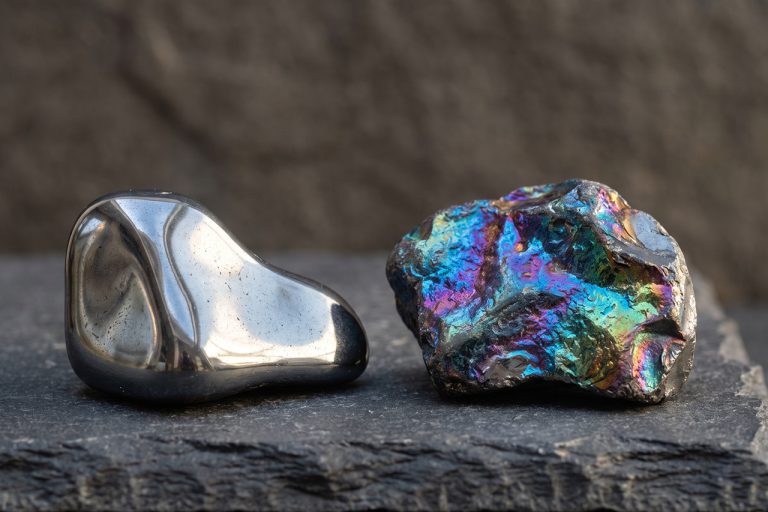
Natural iridescent hematite is real and its cause is still being argued over in the literature. Coated material exists too, and it is not what most people think.
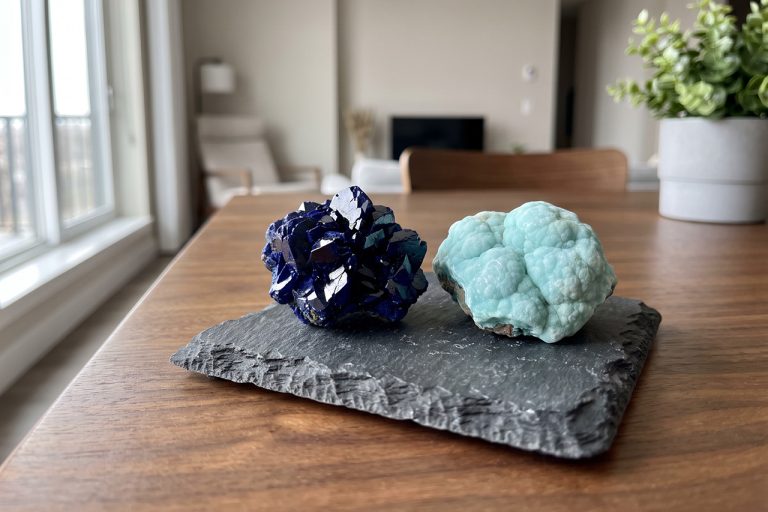
Azurite is a textbook crystal. Chrysocolla is an approved mineral species whose crystal structure has never actually been worked out, which is stranger.
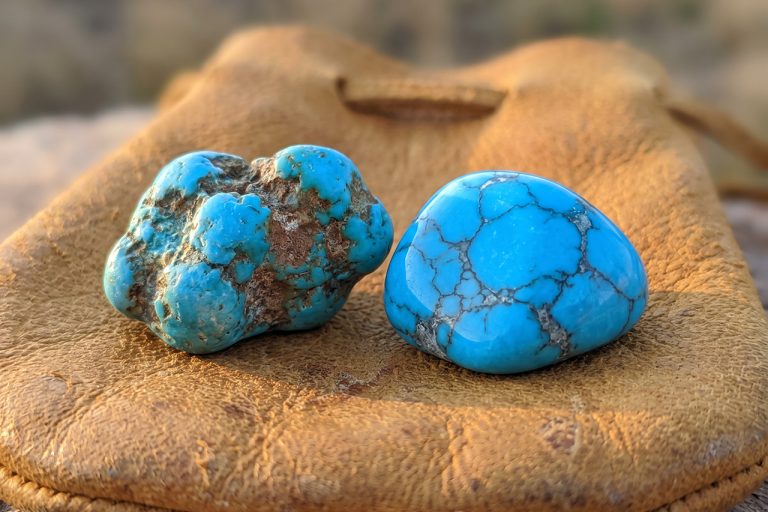
Much cheap 'turquoise' is dyed howlite. Here's how to spot the difference using hardness, dye in the veins, and price.
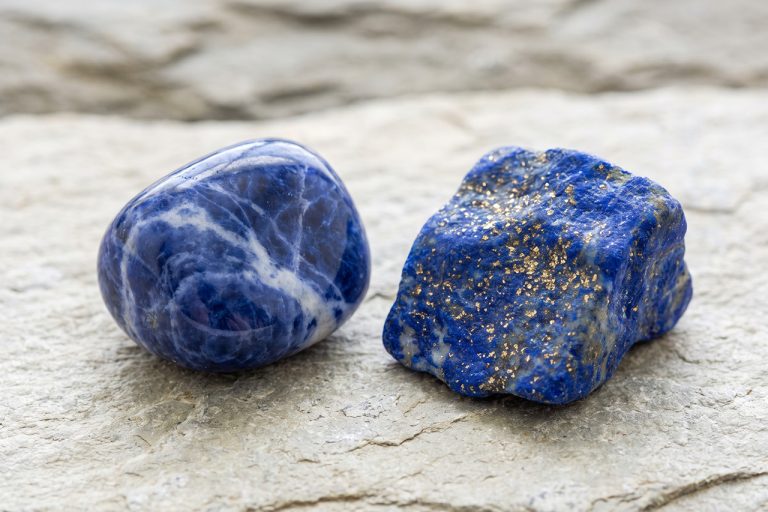
Sodalite and lapis are both deep blue, but gold pyrite flecks are the tell: lapis has them, sodalite doesn't. Here's how to tell them apart.
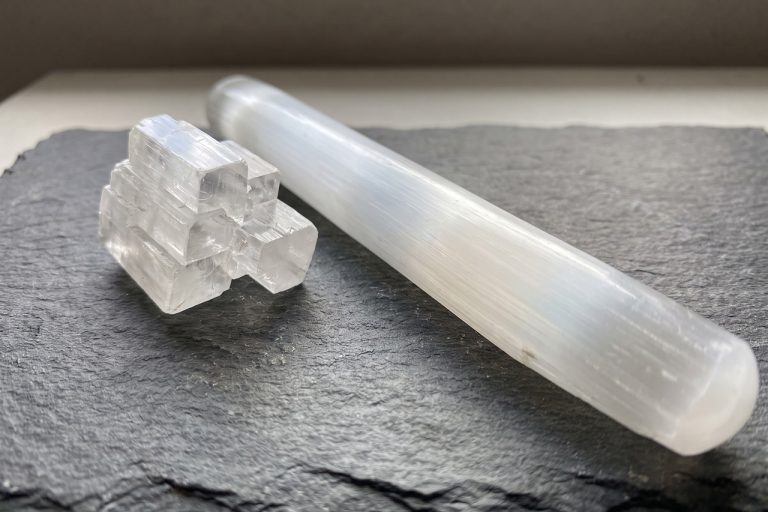
Selenite and satin spar are the same mineral, gypsum: selenite is glassy, satin spar fibrous and silky. Most 'selenite' sold is satin spar.
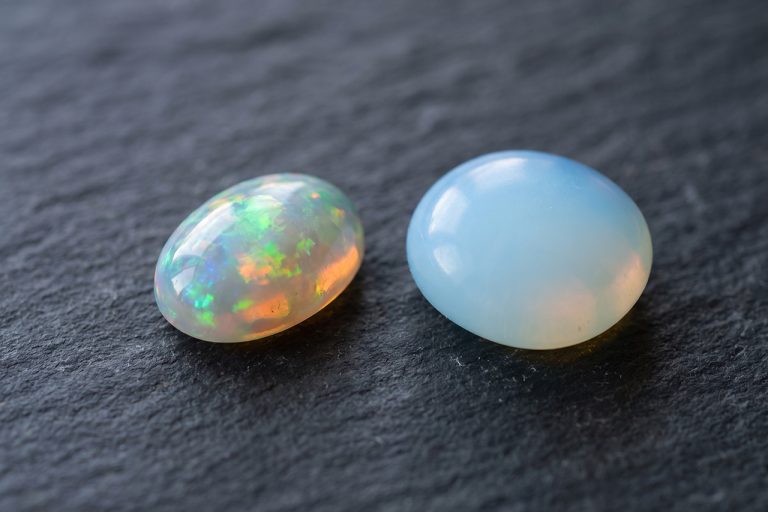
Opal is a natural gemstone with play-of-colour; opalite is man-made glass with none. How to tell them apart, and why the names confuse people.
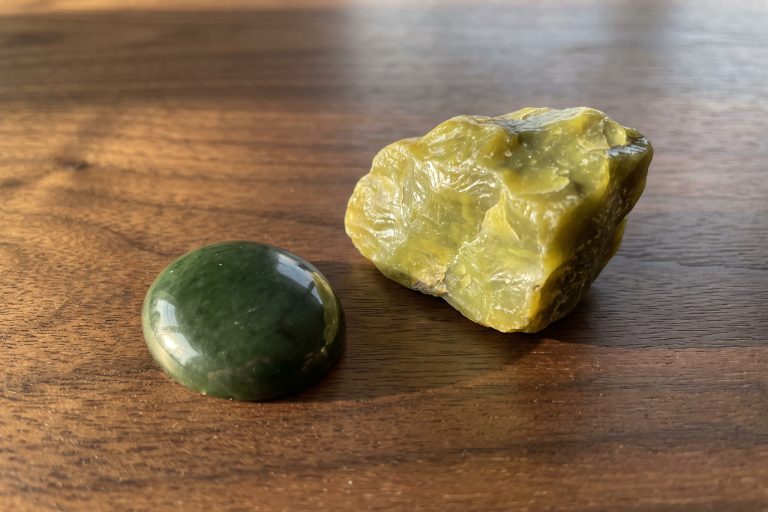
Serpentine is often sold as 'new jade' but it's a softer, different stone. How to tell real jade from serpentine by hardness, weight, and price.